








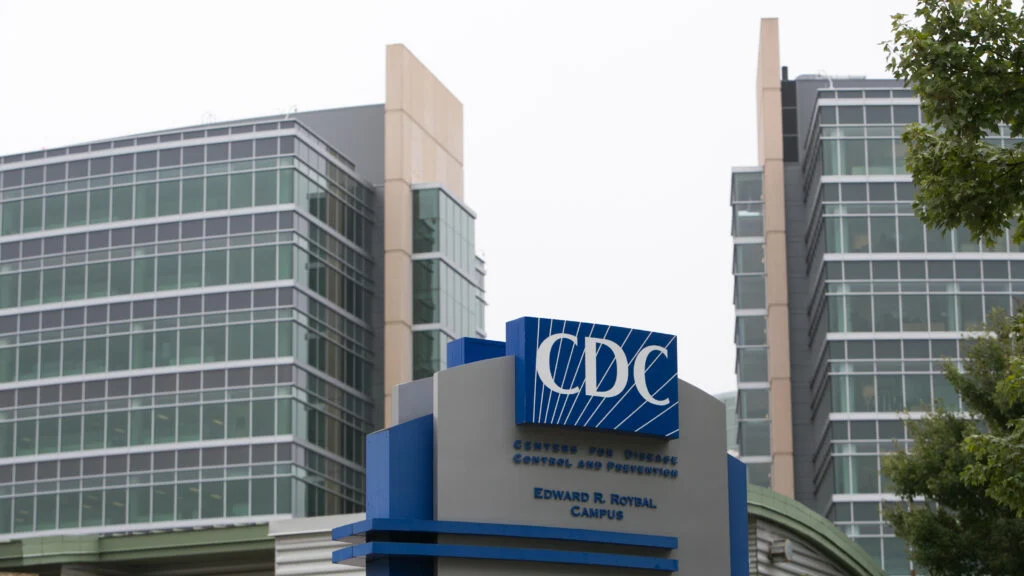
WASHINGTON — In a move that has sent ripples of concern through the public health community, the Centers for Disease Control and Prevention (CDC) announced this week that the federal government’s top official responsible for the safety of cruise ship passengers is stepping down.
Luis Rodríguez, who has served as the chief of the Vessel Sanitation Program (VSP) since 2023 and has been a fixture of the department since 2010, announced his retirement in an internal memo circulated Wednesday. His departure comes at a precarious moment for the agency, which is currently grappling with a rare and alarming hantavirus outbreak aboard the MV Hondius, a vessel operated by Oceanwide Expeditions.
The leadership vacuum created by Rodríguez’s resignation—coupled with a year of administrative turmoil, budget instability, and shifting departmental priorities—has sparked intense scrutiny from health policy experts and lawmakers alike. As the federal government attempts to contain the health threat posed by the Hondius incident, critics are questioning whether the VSP remains sufficiently staffed and empowered to protect the traveling public.
Chronology of a Turbulent Era
To understand the current crisis, one must look at the tumultuous trajectory of the Vessel Sanitation Program over the past eighteen months.
The 2025 Budgetary "Shakeup"
In April 2025, the VSP faced an existential threat that garnered national headlines. During a broad organizational restructuring within the Department of Health and Human Services (HHS), full-time staff members tasked with inspecting cruise ships for hygiene and safety violations were issued layoff notices.
The move was met with immediate backlash from public health advocates, who argued that the "poop patrol"—a colloquial nickname for the inspectors who ensure cruise ships meet stringent sanitary standards—was an essential line of defense against norovirus, Legionnaires’ disease, and other communicable threats.
The Reversal and Lingering Uncertainty
Following the public outcry, the administration officially reversed the cuts to the program. An HHS official confirmed the reversal on Thursday, emphasizing that the program would remain functional. However, the damage to institutional morale and the depletion of specialized personnel remain subjects of intense debate.
Industry analysts note that while the program was "saved," the administrative churn created a revolving door of expertise. Rodríguez, who had navigated the program through its most difficult transitions, was widely viewed as a stabilizing force. His departure now leaves a critical void in a program already struggling to regain its footing after the 2025 budget scare.
The MV Hondius Outbreak: A New Public Health Challenge
The immediate trigger for the current heightened state of alert is the ongoing hantavirus outbreak on the MV Hondius. Unlike the more common foodborne illnesses that usually plague cruise ships, hantavirus is a rare, severe viral infection often transmitted through contact with rodent excreta.
The Scope of the Crisis
The outbreak has captured significant media attention due to the rarity of such occurrences on maritime vessels. According to Oceanwide Expeditions, there are currently 17 American passengers confirmed to be onboard the vessel.
The situation is further complicated by the fact that some passengers disembarked at St. Helena before the outbreak was identified. This creates a secondary public health challenge: tracking potentially exposed individuals who have already dispersed into the general population. Despite this, the CDC has maintained a stance of calm, releasing a statement on Wednesday claiming the public health risk to Americans is "extremely low."
A "Whole-of-Government" Response
The State Department has stepped in to coordinate a multi-agency response, working in tandem with the CDC. Yet, transparency remains a major point of contention. HHS officials have repeatedly declined requests to provide a CDC expert for interviews regarding the specific nature of the hantavirus threat, and the State Department has remained tight-lipped regarding the total number of exposed individuals or any formalized plan to monitor those who have already left the ship.
Supporting Data: The Vital Role of the VSP
The Vessel Sanitation Program is far more than a regulatory formality; it is a critical infrastructure component of the global tourism industry.
Inspection Metrics and Public Safety
Since its inception, the VSP has functioned by conducting unannounced, rigorous inspections of cruise ships that arrive at U.S. ports. These inspections evaluate everything from the temperature of food storage and the sanitation of swimming pools to the effectiveness of the ship’s potable water systems.
- Historical Impact: Before the formalization of these programs, cruise ships were frequent epicenters for gastrointestinal outbreaks.
- The Cost of Inaction: In 2025, data suggested that even a brief interruption in the inspection schedule led to a spike in reported norovirus cases.
- Expert Consensus: Epidemiologists argue that hantavirus on a ship is an "outlier event," but one that demonstrates the need for constant, vigilant environmental monitoring—a task that requires seasoned experts, not just administrative staff.
Official Responses and Strategic Silence
The federal response to the Hondius outbreak has been characterized by what some observers describe as "defensive silence."
When pressed for details regarding the replacement of Luis Rodríguez, HHS officials declined to comment, stating that they were focused on the immediate operational needs of the CDC. This silence has fueled speculation regarding whether the leadership turnover is a symptom of deeper policy disagreements regarding how the federal government should oversee private cruise lines.
Furthermore, the CDC’s insistence that the risk to Americans is "extremely low" has been met with skepticism by some in the scientific community. While it is true that the number of infected individuals is currently limited, the potential for exposure on a confined vessel necessitates a level of surveillance that critics fear the current, under-resourced VSP may not be equipped to provide.
Implications: The Future of Maritime Health
The resignation of a chief official during an active health emergency is rarely a sign of organizational health. As the federal government navigates the fallout of the Hondius incident, several critical implications emerge for the future of maritime public health:
1. Erosion of Institutional Knowledge
The departure of Rodríguez, a veteran of the VSP since 2010, represents a significant loss of "on-the-ground" expertise. The complexities of regulating international cruise lines require deep knowledge of both maritime law and infectious disease dynamics. Replacing this experience will be difficult, especially as the government faces difficulty attracting top-tier talent to positions perceived as "at-risk" due to budget fluctuations.
2. The Credibility Gap
The disconnect between the government’s public messaging—which emphasizes low risk—and its refusal to provide expert commentary to the press creates a credibility gap. In the age of social media and rapid information exchange, this lack of transparency can lead to public panic and mistrust in federal health agencies, a dynamic that has been seen repeatedly since 2020.
3. Increased Scrutiny on Private Operators
If the investigation into the Hondius reveals that standard sanitary protocols were bypassed or ignored, we can expect a renewed legislative push to tighten regulations on cruise operators. This will likely set the stage for a protracted battle between industry lobbyists and public health advocates in Washington.
4. Need for a Sustainable Funding Model
The 2025 layoffs and subsequent reversals have highlighted the instability of the VSP’s funding. For the program to function effectively, it must be decoupled from the volatile shifts in federal departmental budgets. Experts are calling for a dedicated, recurring funding stream that ensures the "poop patrol" remains fully staffed, regardless of the political climate in the capital.
Conclusion
As the MV Hondius continues its journey and the CDC works to contain the hantavirus threat, the departure of Luis Rodríguez serves as a sobering reminder of the fragility of our public health infrastructure. While the immediate danger of the outbreak may be contained through international cooperation, the broader questions regarding leadership, funding, and the oversight of the cruise industry remain unanswered.
The health of the traveling public depends on the silent, consistent work of agencies like the VSP. If the federal government cannot maintain the stability and expertise required for these roles, it is the passengers who will ultimately bear the cost. For now, the eyes of the public health community remain fixed on the Hondius, waiting to see if the government’s "whole-of-government" approach can truly rise to the occasion without the steady hand of its most seasoned expert.