











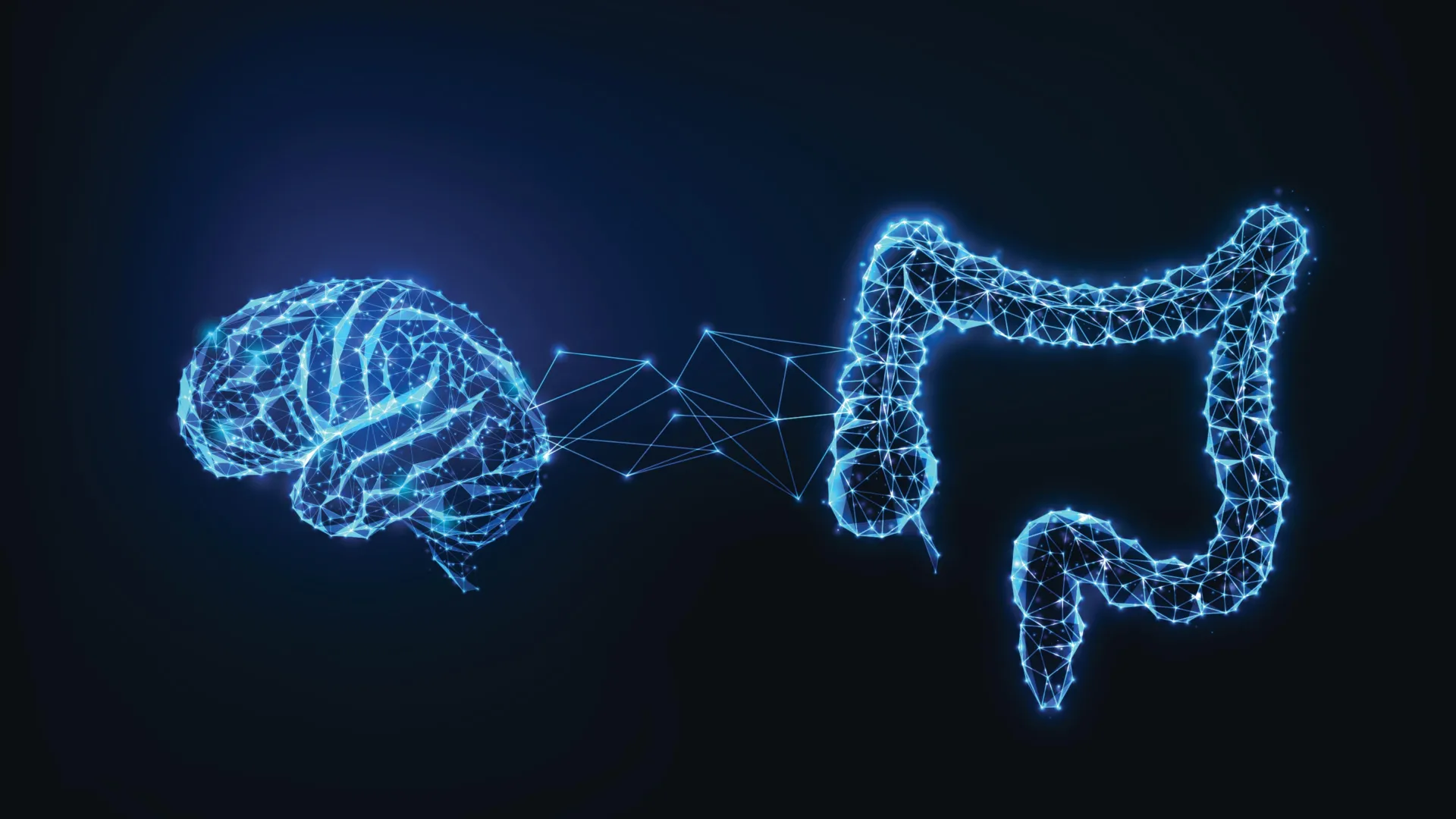
For decades, the prevailing narrative surrounding human nutrition focused on the simple mechanics of calorie consumption: energy in versus energy out. We understood that hunger was a signal to eat, but the biological precision behind what we choose to eat has remained one of the most complex puzzles in neuroscience and physiology.
A groundbreaking study published on May 21 in the journal Science has finally begun to decode this mystery. A collaborative team led by Director SUH Seong-Bae of the Center for Microbiome-Body-Brain Physiology at the Institute for Basic Science (IBS), alongside researchers from Seoul National University and Ewha Womans University, has identified a sophisticated, dual-track communication system that allows the gut to "talk" to the brain. This signaling network not only detects protein deficiency but actively redirects an animal’s cravings to ensure survival.
The Biological Imperative: Beyond Mere Calories
Eating is a fundamental biological act, but it is far more than a simple quest for caloric density. The body requires a precise biochemical "inventory" to function, most notably essential amino acids. These are the primary building blocks of proteins, yet they cannot be synthesized internally; they must be acquired through diet.
Historically, scientists observed that when animals are deprived of protein, their behavior shifts—they stop seeking general food and begin specifically hunting for protein-rich sources. However, the "how" remained elusive. How does the gut, a digestive powerhouse, communicate the specific chemical composition of its contents to the neural command center in the brain? The recent discovery by Director Suh’s team confirms that the gut is not merely a passive processing plant but an active sensory organ, constantly monitoring nutritional status and steering behavioral decisions.
Chronology of the Discovery: Unmasking the Signaling Network
The investigation into this phenomenon utilized the fruit fly (Drosophila melanogaster) as a primary model. Given that fruit flies share significant genetic and physiological pathways with higher-order mammals, they have long been the gold standard for mapping neural circuits related to feeding behavior.
Phase 1: Identifying the Chemical Messenger
The research team began by observing the gut’s response to a protein-deficient environment. They discovered that when amino acid levels drop, specialized cells within the intestine immediately release a peptide hormone known as CNMa. This hormone acts as the primary signal that the "protein reserves" are running low.
Phase 2: Mapping the Neural Circuitry
Using high-resolution brain imaging, behavioral testing, and genetic manipulation, the scientists traced the path of the CNMa signal. They found that it operates through two distinct, yet perfectly synchronized, pathways:
- The Rapid Neural Pathway: Upon release, CNMa triggers enteric neurons located directly in the gut. These neurons transmit an electrical signal to the brain, providing an almost instantaneous alert that a protein deficiency exists.
- The Sustained Hormonal Pathway: Simultaneously, the CNMa peptide enters the bloodstream. Traveling as a systemic hormone, it reaches the brain more slowly. This secondary mechanism acts as a "reinforcement," ensuring that the protein-seeking drive persists over time until the deficiency is corrected.
Phase 3: Shifting the "Appetite Switch"
The most striking finding was how this signal altered the animal’s behavior. The researchers observed that the CNMa signal did not just make the flies hungrier; it fundamentally changed their menu preferences. It actively suppressed the brain’s sugar-sensitive cells, specifically the DH44 neurons. By "turning down the volume" on sugar cravings, the body forced the animal to focus its search on protein-dense nutrients.
The Role of the Microbiome
Perhaps the most surprising variable in the study was the involvement of the gut microbiome. When the researchers tested fruit flies lacking a normal gut microbial population, they found a marked difference in behavior. These "microbe-deficient" flies displayed an hyper-active, almost panicked, activation of amino acid-seeking brain neurons.
This suggests that the microbiome does not just aid digestion; it acts as a regulatory checkpoint. The community of bacteria within our gut appears to play a critical role in tempering the brain’s response to nutrient availability, ensuring that the drive to feed remains balanced and appropriate for the current physiological state.
Scaling Up: From Flies to Mice
To determine if these findings were specific to insects or a universal biological truth, the team transitioned their study to mice. The results were startlingly consistent.
Protein-deprived mice exhibited a strong, targeted preference for essential amino acids, mirroring the behavior seen in the fruit flies. The study also challenged existing medical dogma regarding the hormone FGF21. Previously, the scientific community believed FGF21 was the "master regulator" of protein appetite in mammals. However, the IBS team discovered that mice lacking FGF21 still demonstrated a robust drive to seek protein. This implies that the body possesses a redundant, highly evolved "fail-safe" system for nutrient sensing that scientists have only just begun to uncover.
Official Responses and Scientific Perspective
Director SUH Seong-Bae, in a statement regarding the publication of the findings, emphasized the paradigm shift this research represents. "Our study shows that the gut is not simply a digestive organ," Suh stated. "It is an active sensory system that continuously monitors nutritional state and directly guides behavioral decisions."
The scientific community has reacted with significant interest, noting that the study provides a rare, clear map of the gut-brain axis. By identifying the specific peptide (CNMa) and the specific neural targets (DH44 neurons), the team has provided a blueprint that other researchers can now use to investigate similar pathways in the human anatomy.
Implications for Obesity and Metabolic Health
The implications of this study are profound, particularly regarding the global crisis of obesity and the prevalence of complex eating disorders. Current pharmaceutical approaches to weight loss and appetite suppression are largely blunt instruments; they often target general satiety centers in the brain, which can lead to side effects or unintended metabolic consequences.
Addressing Metabolic Disorders
"Most current obesity and appetite-control drugs rely on gut hormone signaling," Director Suh noted. "Yet, we still know relatively little about how naturally produced gut signals influence the brain and behavior." By understanding the "internal language" of nutrient sensing, researchers may eventually be able to develop therapeutic strategies that are far more nuanced.
Future Therapeutic Strategies
If scientists can modulate the gut-brain axis to mimic the body’s natural signaling, it might be possible to help individuals with metabolic disorders regulate their food intake more effectively. Instead of simply trying to "block" hunger, future treatments might focus on "tuning" the gut-brain connection to ensure that the body is not falsely signaling a need for sugar when it is actually experiencing a micronutrient or protein deficiency.
Conclusion: A New Frontier in Nutrition Science
This research marks a turning point in our understanding of the human body. We now know that our cravings are not merely "in our heads" or the result of a lack of willpower. They are the output of a sophisticated, high-speed communication network designed by evolution to ensure that we acquire the specific building blocks necessary for life.
As we look to the future, the work of the Institute for Basic Science serves as a reminder that the gut is a center of intelligence. By decoding the dialogue between our microbiome, our gut, and our brain, we are opening the door to a new era of metabolic medicine—one that works with our biology, rather than against it. Whether it is addressing the complexities of obesity or simply understanding why we reach for a steak instead of a cookie, the answers lie deep within the signaling pathways of the gut-brain axis.