






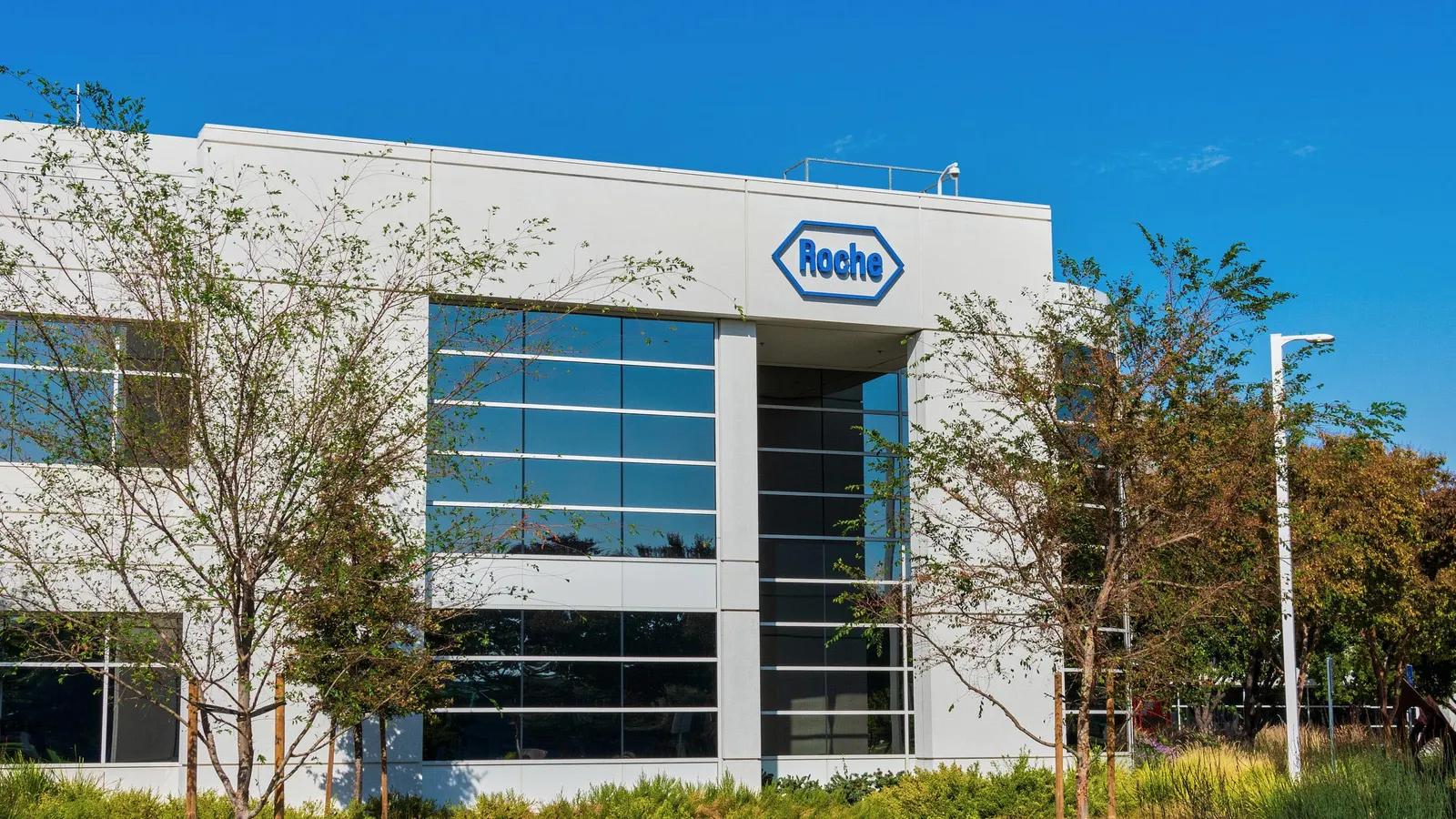
In a landmark move that signals the deepening integration of artificial intelligence into the clinical diagnostic landscape, Roche Diagnostics has announced the acquisition of PathAI, a leader in digital pathology and AI-powered diagnostic solutions. The deal, which aims to marry Roche’s global diagnostic infrastructure with PathAI’s sophisticated algorithmic platform, marks a pivotal moment in the industry’s shift toward precision medicine.
By digitizing physical tissue slides and deploying machine learning models to identify complex patterns invisible to the human eye, the companies hope to accelerate diagnostic turnaround times, improve accuracy in cancer detection, and optimize the development of personalized treatment regimens for patients worldwide.
Main Facts: The Intersection of AI and Pathology
The acquisition centers on PathAI’s robust suite of digital pathology tools, which transform the traditional, manual process of slide analysis—a process that has remained largely unchanged for decades—into a digitized, data-rich workflow.
PathAI’s technology excels at image analysis, providing pathologists with automated insights into patient tissue samples. By leveraging these AI models, Roche intends to scale the platform globally, integrating it directly into its existing oncology diagnostic ecosystems. This integration is designed to serve a dual purpose: enhancing routine clinical diagnostics and streamlining the drug development lifecycle for biopharmaceutical partners.
The collaboration is not an overnight development; rather, it is the culmination of a three-year strategic partnership that began in 2021. The 2024 expansion of this agreement, which specifically targeted the development of AI-enabled companion diagnostics, served as the clear precursor to this full-scale acquisition.
Chronology: A Multi-Year Strategic Evolution
The path to this acquisition reflects a broader trend of consolidation in the digital health sector. The timeline of this partnership and the surrounding market activity illustrates a methodical approach by Roche to dominate the digital pathology space:
- 2021: Initial Partnership: Roche and PathAI first joined forces, signaling Roche’s early interest in incorporating third-party AI expertise into its diagnostic portfolio. The focus was on leveraging PathAI’s algorithms to support clinical research and pathology workflows.
- 2021–2023: Collaborative Development: Over the subsequent years, the companies refined their algorithms and established interoperability between PathAI’s software and Roche’s hardware, such as the VENTANA slide scanners.
- Early 2024: Expanded Agreement: The partnership deepened, with a specific focus on companion diagnostics (CDx). This signaled to the market that the two companies were moving beyond research and into the commercialization of clinical-grade diagnostic tools.
- Mid-2024: The Acquisition Announcement: Roche officially announced its intent to acquire PathAI to consolidate these capabilities under a single corporate umbrella.
- Broader Context (2023–2024): The deal follows a wave of market activity, including Labcorp’s expanded collaboration with PathAI to deploy the platform across its anatomic pathology labs, and Tempus AI’s $81 million acquisition of Paige, another major player in the digital pathology AI space.
Supporting Data: Why Digital Pathology Matters
The transition to digital pathology is driven by the urgent need for efficiency and precision in oncology. Current diagnostic workflows are labor-intensive, relying on human experts to physically examine glass slides—a process susceptible to inter-observer variability and high workloads.
The Efficiency Gap
- Throughput: Manual slide review is a bottleneck in diagnostic labs. AI-powered platforms can pre-screen images, highlight regions of interest (ROI), and quantify biomarkers in seconds.
- Accuracy and Reproducibility: Studies have consistently shown that AI models can assist in detecting micrometastases or subtle morphological changes that might be overlooked during a high-volume day in a pathology lab.
- The Companion Diagnostics Market: The global market for companion diagnostics is projected to grow significantly as more targeted oncology therapies receive regulatory approval. These therapies require specific biomarker identification—a task where digital pathology excels.
Industry Benchmarks
The $81 million acquisition of Paige by Tempus AI serves as a valuation benchmark for the sector, highlighting that companies with mature, clinically validated algorithms are now considered high-value assets for large diagnostic and data-oriented conglomerates.
Official Responses: The Vision for the Future
The leadership at Roche views this acquisition as a cornerstone of their long-term oncology strategy. Matt Sause, CEO of Roche Diagnostics, emphasized that the marriage of hardware and software is the key to unlocking the next generation of patient care.
"Digital pathology has the potential to improve precision diagnosis of cancer and enable physicians to offer better tailored treatment regimens," Sause stated in a press release. According to Roche, the strategy is to combine PathAI’s software intelligence with Roche’s established oncology platforms. By integrating PathAI’s tools into the clinical environment, Roche aims to provide a "one-stop-shop" for oncologists, from tissue sampling to treatment selection.
PathAI’s leadership has also highlighted the importance of scale. By joining Roche, PathAI gains access to an extensive global footprint, ensuring their algorithms can reach hospital sites and reference labs that were previously beyond their reach as an independent startup.
Implications: Reshaping the Diagnostic Landscape
The acquisition of PathAI by Roche will have far-reaching implications for clinical practice, biopharmaceutical research, and the competitive dynamics of the medtech industry.
For Clinical Practice
Pathologists are expected to see a fundamental change in their daily workflows. Instead of functioning solely as manual reviewers, they will increasingly act as "AI-augmented" experts, using software as a tool for decision support. This shift is likely to reduce diagnostic burnout and allow for faster reporting, which is critical in oncology, where time-to-treatment is a primary prognostic factor.
For Biopharma and Drug Discovery
Beyond clinical diagnostics, PathAI’s expertise in translational research provides Roche with a competitive edge in drug development. By identifying new biomarkers and potential drug targets through the analysis of large-scale, digitized tissue datasets, Roche can accelerate the discovery of novel therapeutic compounds. This capability is expected to be a major selling point for Roche’s biopharma partners, who rely on the company for high-precision companion diagnostic assays.
Competitive Consolidation
The deal confirms a trend: the era of the "independent" digital pathology startup is waning, replaced by an era of integration. Large medtech players are aggressively acquiring AI expertise to ensure their proprietary diagnostic platforms remain relevant. This creates a high barrier to entry for smaller firms that lack the distribution and regulatory infrastructure of a company like Roche.
Challenges Ahead
Despite the optimism, significant hurdles remain. Integrating AI into clinical workflows requires:
- Regulatory Harmonization: Ensuring that AI-driven diagnostics meet the stringent requirements of bodies like the FDA and EMA for clinical use.
- Interoperability: Digital pathology platforms must communicate seamlessly with existing Laboratory Information Systems (LIS) and Electronic Health Records (EHR).
- Cultural Adoption: The medical community, particularly pathologists, must be trained and incentivized to trust and effectively utilize AI tools in daily diagnostics.
The Final Outlook
Roche’s acquisition of PathAI is more than just a purchase of intellectual property; it is a strategic alignment with the future of medicine. As oncology continues to move toward hyper-personalized care, the ability to interpret tissue data with high-speed, high-precision AI will become the new gold standard.
By scaling PathAI’s technology, Roche is positioning itself to be the primary architect of this new diagnostic era. As the company begins the process of global integration, the industry will be watching closely to see how effectively these digital tools can move from the laboratory bench to the patient bedside, ultimately fulfilling the promise of improved outcomes for cancer patients worldwide. The consolidation of these two powerhouses sets the stage for a transformative decade in diagnostic medicine, where the glass slide is no longer the limit of what a pathologist can see, but rather the beginning of what they can understand.