





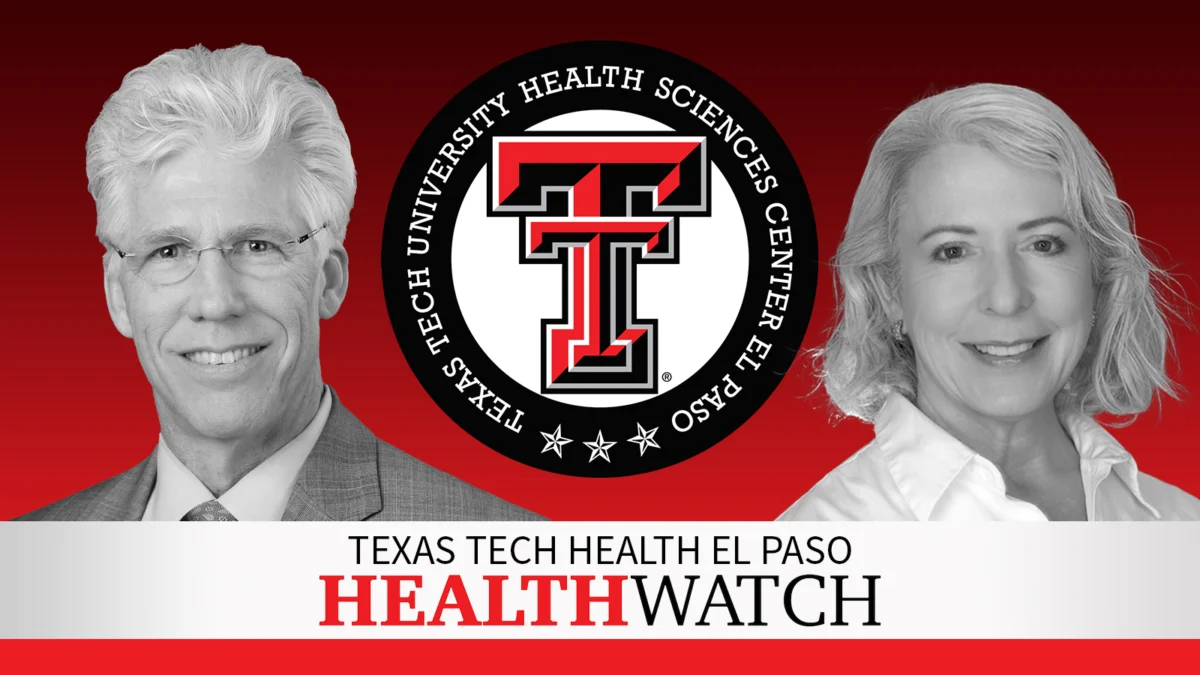
The landscape of modern medicine is evolving at an unprecedented velocity, driven by both breakthrough technological interventions and the increasing strain on existing clinical infrastructures. In the latest episode of TTHealthWatch, a weekly medical analysis program hosted by the Texas Tech University Health Sciences Center, hosts Elizabeth Tracey and Dr. Rick Lange delve into the most pressing issues currently shaping the healthcare narrative.
This week’s discussion navigates the complex intersection of digital patient management, surgical innovation, oncology breakthroughs, and orthopedic standard-of-care debates. By examining high-impact research published in leading journals such as JAMA, The New England Journal of Medicine (NEJM), and The Lancet, the hosts provide a comprehensive look at how these developments will influence patient outcomes in the coming decade.
The Digital Inbox Crisis: Managing the Surge in Patient Messaging
One of the most profound shifts in clinical practice over the last five years has been the evolution of the electronic patient portal. Dr. Rick Lange highlights a critical analysis of approximately 8 billion encounters recorded in Epic electronic health records (EHR) between 2020 and 2025. The data reveals a staggering 153% increase in patient-authorized messages, a figure that dwarfs the modest 17% growth in traditional in-office visits.
The Structural Mismatch
The core concern raised by medical experts is that this digital transformation is not "baked into" the standard workday. As the volume of correspondence climbs, healthcare systems are struggling to define a sustainable workflow. Questions persist regarding the triage process: Should physicians be the primary responders, or should clinical teams manage the load? Furthermore, the lack of standardized reimbursement for these digital touchpoints adds a financial layer of frustration for practitioners.
Balancing Expectations and Burnout
Elizabeth Tracey, drawing on her experience at Johns Hopkins Medicine, emphasizes that managing patient expectations is the only current defense against physician burnout. Many institutions are now implementing automated response protocols, informing patients that they can expect a reply within three business days. However, the prevalence of patients receiving automated test results during off-hours—often before a physician has had the chance to review them—creates an immediate, reactive demand for communication that contributes significantly to clinician fatigue.
Surgical Innovation: The Role of Tranexamic Acid
In the realm of surgery, the New England Journal of Medicine has published a landmark study regarding the use of tranexamic acid (TXA) in noncardiac, high-risk procedures. For over 60 years, TXA has been recognized for its ability to reduce surgical bleeding, yet its adoption for routine procedures has been inconsistent due to lingering fears regarding venous thromboembolism (VTE).
A Clarion Call for Standardization
The multicenter, double-blind, cluster-randomized trial—involving nearly 9,000 patients—sought to definitively settle the debate. By assigning hospitals to either a policy of intraoperative TXA administration or a placebo, researchers found that the transfusion rate dropped from 10% in the placebo group to 7.4% in the TXA group. Crucially, there was no statistically significant increase in VTE.
The study’s success is attributed to its pragmatic design: it used existing EHR systems to facilitate enrollment and data collection, achieving a remarkable 98% follow-up rate. Experts now argue that these findings serve as a "clarion call" for hospitals to adopt a universal, hospital-wide policy for TXA use, moving beyond the fragmented, surgeon-specific preferences that have hindered its implementation in countries like the U.K. for over a decade.
Oncology: A Decade of Durability in CAR-T Therapy
The conversation shifted to the long-term efficacy of Chimeric Antigen Receptor (CAR) T-cell therapy, specifically for B-cell lymphomas. As a cornerstone of modern hematology-oncology, CAR-T therapy involves re-engineering a patient’s own T cells to identify and eradicate malignant B cells.
Longitudinal Success
A retrospective analysis of the original cohort of patients involved in early CAR-T trials has provided the longest follow-up data to date. The results are promising: 10-year lymphoma-free survival rates reached 32% for patients with large B-cell lymphoma and nearly 50% for those with follicular lymphoma. Perhaps most impressively, no relapses were observed in any study participants after the 5.4-year mark. While there is a documented risk of secondary primary cancers—likely a long-term consequence of prior chemotherapy regimens—the durability of the remission achieved by CAR-T therapy represents a paradigm shift in how we treat relapsed or refractory blood cancers.
Orthopedics: The Patellar Resurfacing Debate
In the final segment, the hosts explored a 20-year study published in The Lancet concerning total knee replacements (TKR) and the clinical utility of patellar resurfacing. Initiated in 1999, the study followed 1,715 participants to determine whether resurfacing the patella during a TKR leads to superior long-term outcomes compared to leaving it untouched.
Quality-Adjusted Life Years (QALYs)
The study concluded that patients who underwent simultaneous patellar resurfacing accrued more quality-adjusted life years (QALYs) over the two-decade follow-up period. Despite this, the clinical "knee pain scores" between the two groups remained remarkably similar, leading to an ongoing, healthy disagreement within the orthopedic community.
In the United States, approximately 94% of surgeons routinely perform patellar resurfacing, viewing it as a standard component of a high-quality knee replacement. Conversely, in the United Kingdom, the practice is significantly less common. The data suggests that while there is no significant difference in cost or the need for re-operation, the preference for resurfacing in the U.S. remains deeply entrenched. The consensus among the TTHealthWatch hosts is that the choice currently remains a matter of surgeon comfort and experience, though future advancements in cartilage regeneration may eventually render the need for total knee replacement obsolete.
Implications for the Future of Healthcare
The collective findings discussed in this week’s program highlight three fundamental shifts in the medical landscape:
- Administrative Modernization: The shift toward electronic communication requires a fundamental redesign of the clinical workflow. Without systemic changes to reimbursement and staffing models, the "digital inbox" will continue to be a primary driver of clinician burnout.
- Evidence-Based Standardization: The TXA study serves as a masterclass in how large-scale, pragmatic clinical trials can eliminate long-standing clinical hesitation. By utilizing existing infrastructure for research, the medical community can move faster to adopt life-saving, cost-effective policies.
- The Promise of Long-Term Data: Both the CAR-T and the knee replacement studies underscore the necessity of long-term longitudinal data. In an era where new treatments are introduced rapidly, we must prioritize studies that track outcomes over decades rather than months to truly understand the durability of our medical interventions.
As the medical field continues to innovate, the dialogue between practitioners and researchers remains vital. By addressing the logistical challenges of digital communication and committing to rigorous, long-term evidence gathering, the healthcare system can continue to provide more effective, efficient, and patient-centered care. As Dr. Lange concluded, the goal remains clear: to synthesize these complex developments into actionable, healthy choices for patients nationwide.