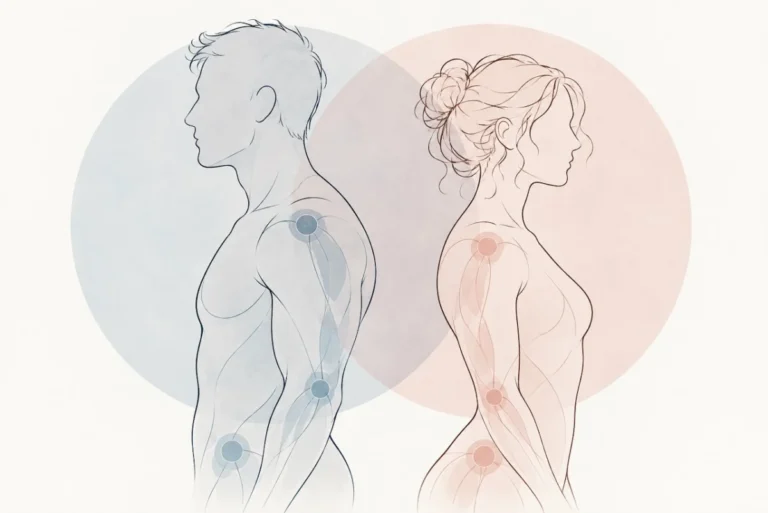







For the millions of individuals living with Ehlers-Danlos Syndrome (EDS), the professional landscape can often feel like an insurmountable obstacle course. As a complex, multisystemic group of connective tissue disorders, EDS is characterized by joint hypermobility, skin hyperextensibility, and tissue fragility. However, the true complexity lies in its variability: with 13 distinct subtypes and a constellation of common comorbidities—such as Postural Orthostatic Tachycardia Syndrome (POTS) and Mast Cell Activation Syndrome (MCAS)—no two patients experience the condition in the same way.
As the workforce evolves, the dialogue surrounding disability inclusion has moved to the forefront of human resources and organizational strategy. For those navigating the daily realities of chronic pain, fatigue, and mobility challenges, understanding the right to reasonable accommodations is not merely a legal protection—it is a pathway to sustainable, long-term career success.
The Legal Foundation: Understanding ADA Rights
At the heart of workplace equity in the United States is the Americans with Disabilities Act (ADA). The ADA serves as a critical shield, prohibiting employers from discriminating against qualified employees based on disability. Critically, it mandates that employers provide "reasonable accommodations"—adjustments to the work environment or job functions—unless doing so imposes "undue hardship" on the business.
For an employee with EDS, this means that requesting an ergonomic chair, a modified schedule, or environmental controls is a protected process. The law recognizes that an employee’s value is found in their skills and contributions, not in their ability to perform tasks in a traditional, one-size-fits-all manner.
Prioritizing Physical Safety and Comfort
The physical manifestations of EDS—frequent joint dislocations, subluxations, and chronic pain—require a proactive approach to workstation design. When an employee spends forty hours a week in an environment that exacerbates their symptoms, it leads to rapid burnout and potential long-term injury.
Ergonomic Optimization
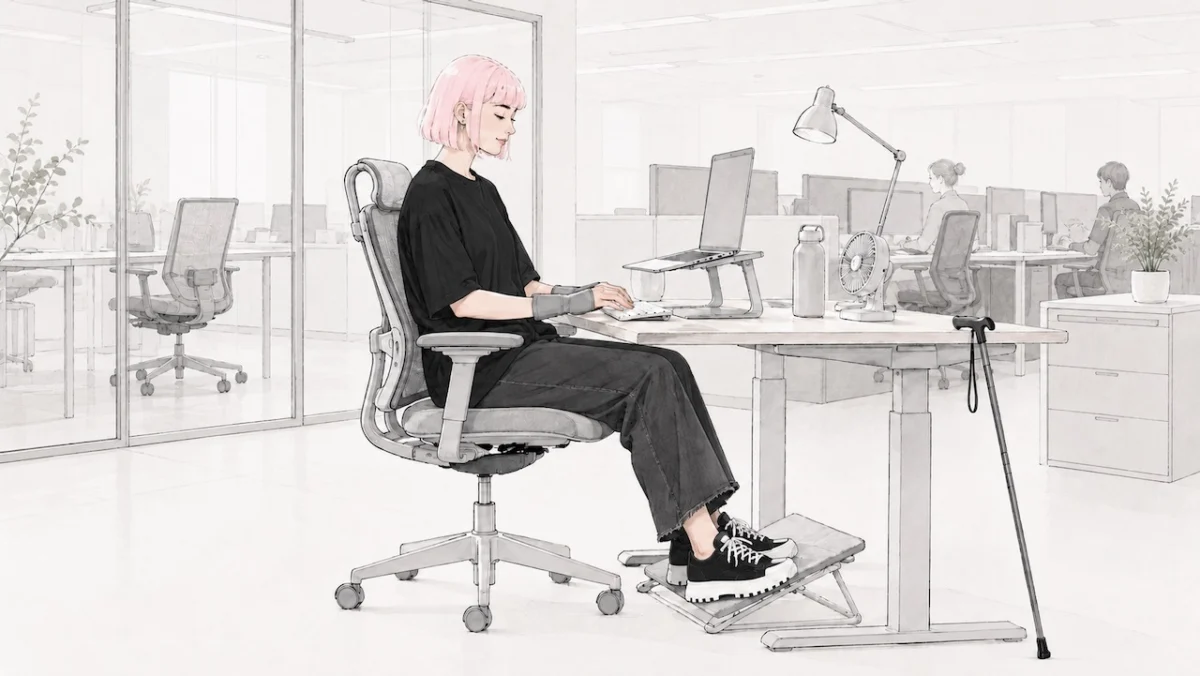
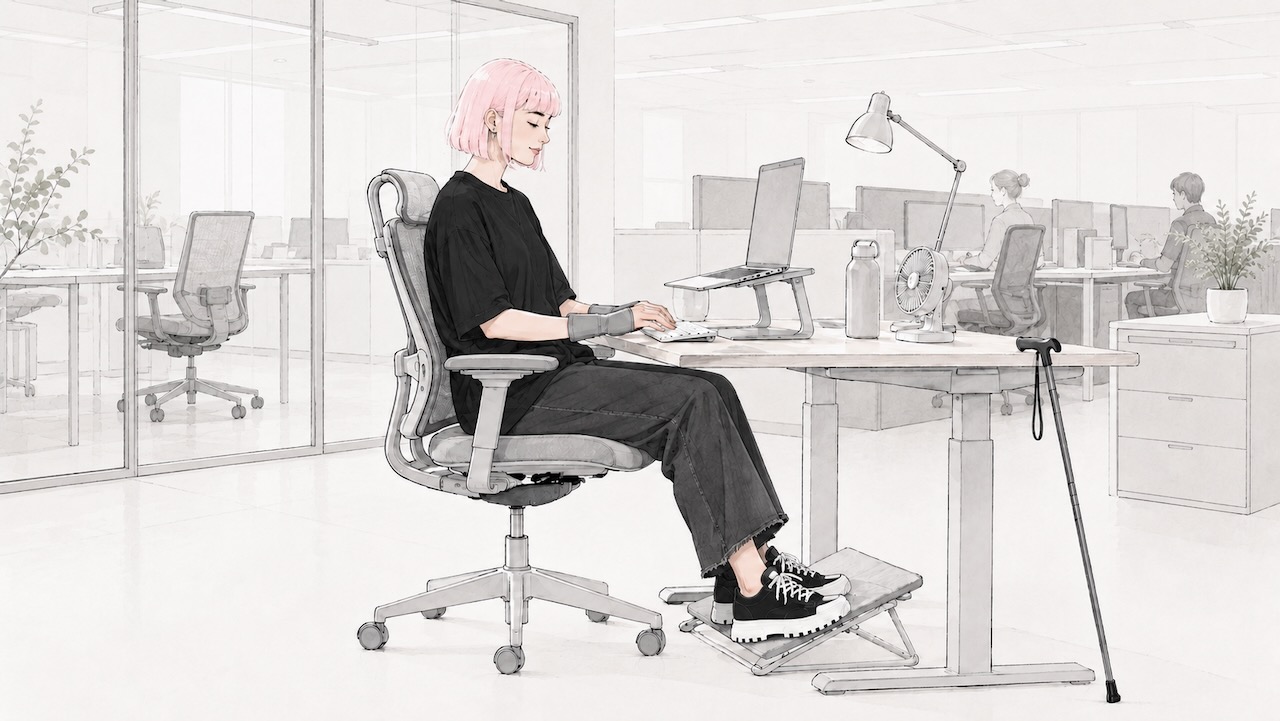
A standard office chair is rarely sufficient for someone with connective tissue instability. Accommodations should prioritize:
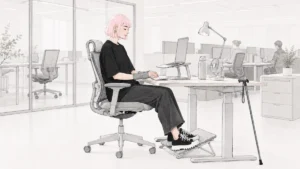
- Supportive Seating: High-back ergonomic chairs with adjustable lumbar support, neck rests, and specialized armrests that prevent joint strain.
- Peripheral Stability: The use of vertical mice, mechanical keyboards, or voice-to-text software to reduce repetitive stress on finger and wrist joints.
- Postural Aids: Footrests to ensure proper hip-to-knee alignment and raised laptop stands to maintain a neutral cervical spine, preventing the "tech neck" that can trigger migraine and autonomic flares.
Managing Autonomic Dysfunction
For those with POTS, the simple act of standing can trigger dizziness, tachycardia, or syncope. Offices should consider:
- Sit-Stand Desks: Allowing for rapid transitions between sitting and standing to prevent blood pooling.
- Cooling Equipment: Personal desk fans or temperature-controlled zones, as heat is a common trigger for POTS-related symptom exacerbation.
- Accessibility to Hydration: Ensuring proximity to water stations or allowing for dedicated hydration breaks, which are medically necessary for many with dysautonomia.
Flexibility as a Catalyst for Productivity
The "EDS flare" is a phenomenon characterized by the unpredictable onset of extreme fatigue, pain, or systemic symptoms. Unlike a cold or flu with a predictable trajectory, an EDS flare can fluctuate hour-by-hour.
Redefining the "Workday"
Flexibility is not a luxury; it is a necessity for maintaining a full-time career. Employers who embrace flexible work models often see higher retention rates and increased employee morale. Recommended accommodations include:
- Remote or Hybrid Work: Eliminating the physical toll of commuting allows employees to conserve their "energy budget" for actual work tasks.
- Flexible Scheduling: Moving away from a rigid 9-to-5 structure to a results-oriented approach allows employees to work during their peak cognitive hours or to pause during acute symptom flares.
- Task-Shifting: Where possible, swapping physically demanding tasks for those that can be completed while sedentary or in a resting position.
Creating an EDS-Friendly Environment: Beyond the Desk
The physical workstation is only one piece of the puzzle. For individuals with MCAS or sensory sensitivities, the broader office environment can act as a catalyst for allergic or inflammatory reactions.
Environmental Controls
- Air Quality: Ensuring offices are free of strong fragrances, harsh cleaning chemicals, and poor ventilation, which can trigger mast cell reactions.
- Lighting Adjustments: Many EDS patients suffer from light sensitivity. Replacing harsh fluorescent lighting with soft-spectrum lamps or providing anti-glare screens can significantly reduce daily headache frequency.
- Soundscapes: For those with sensory processing sensitivities, providing noise-canceling headphones or creating a "quiet zone" can mitigate the cognitive fatigue associated with noisy, open-office plans.
Accessibility Beyond the Desk: Structural Inclusion
True accessibility extends to the entire corporate ecosystem. An employee may have the perfect ergonomic desk, but if they cannot navigate the office or access common areas, the barrier remains.
- Mobility Aids: Ensuring that hallways are free of obstacles to accommodate wheelchairs, rollators, or canes.
- Facility Access: Proximity to restrooms, breakrooms, and elevators is essential for those with chronic pain or mobility issues.
- Meeting Logistics: Ensuring that team meetings are accessible, whether through virtual attendance options or by choosing locations that meet full ADA physical access standards.
Implications for Employers and Employees
The stigma surrounding "invisible disabilities" remains a significant barrier to disclosure. When employees feel they must hide their condition to avoid being labeled as "unreliable," they often suffer in silence, leading to unnecessary health declines.
The Business Case for Inclusion
From a management perspective, accommodating an employee with EDS is an investment in human capital. Retaining a skilled, experienced employee who is provided with a supportive environment is almost always more cost-effective than the costs associated with recruitment, onboarding, and training a new hire. Furthermore, fostering a culture of empathy and flexibility often leads to a more inclusive, productive, and loyal workforce.
Helpful Resources for Success
Navigating the process of requesting accommodations can be daunting. Below are essential resources for those seeking support:
United States
- The Job Accommodation Network (JAN): A leading source of free, expert guidance on workplace accommodations and disability employment issues.
- Ehlers-Danlos Society: Offers specialized resources, webinars, and patient advocacy tools for navigating professional life.
United Kingdom
- Access to Work: A government program that provides practical support and funding for workplace modifications, specialized equipment, and travel assistance for disabled employees.
Canada
- Government of Canada (Disability Employment Services): Provides information on provincial and federal support programs designed to help individuals with disabilities maintain long-term employment.
Final Thoughts: Moving Toward a More Inclusive Future
The journey to creating an EDS-friendly workplace is one of collaboration, education, and mutual respect. Employers are not expected to be medical experts, but they should be willing partners in the process of identifying barriers and implementing solutions.
For the employee, remember that your health and your career are not mutually exclusive. By articulating your needs clearly, utilizing your legal rights, and focusing on the unique value you bring to your organization, you can build a sustainable and fulfilling career. Disability is not a disqualifier; with the right accommodations, it is merely a different way of navigating the professional world—one that, with the right support, can lead to remarkable success.
Author: Rebecca Hayes
Date: October 2026
Focus: Disability Advocacy and Workplace Equity