









In the high-stakes world of modern biohacking, the pursuit of longevity has shifted from the realm of science fiction into the mainstream. At the center of this movement is tech billionaire Bryan Johnson, whose "Don’t Die" initiative—documented extensively in the Netflix series of the same name—has brought the concept of "biological age" into the public consciousness. Johnson, who spends millions annually on everything from hyperbaric oxygen therapy to plasma infusions, claims his biological age is now over five years younger than his chronological age.
Yet, as this trend gains momentum, it leaves many wondering: Is this the future of medicine, or merely an expensive distraction from the fundamentals of health?
The Core Concept: Biological vs. Chronological Age
To understand the hype, one must distinguish between two measures of time. Chronological age is simply the number of candles on your birthday cake—a linear progression of time since your birth. Biological age (or "bio age"), however, is a measurement of how your cells and organ systems are functioning compared to the average.
Consider a hypothetical scenario: Chang, a 50-year-old living in a high-stress urban environment with poor dietary habits and sedentary tendencies, versus Jabari, a 50-year-old mountain dweller who prioritizes meditation, plant-rich nutrition, and consistent physical training. While both share the same chronological age, their biological trajectories are likely vastly different. Biological age testing attempts to quantify these differences by looking at the "wear and tear" on the body’s machinery.
The Chronology of a Movement
The obsession with bio age testing did not emerge in a vacuum. Its rise can be traced through three distinct phases:
- The Research Phase (Early 2000s–2010s): Scientists began identifying "biomarkers"—measurable indicators of biological processes—such as telomere length (the protective caps on chromosomes) and DNA methylation patterns. These tools were initially intended for longitudinal studies on aging populations.
- The Biohacking Explosion (2018–2022): Influential voices in the podcasting sphere, including Peter Attia, Joe Rogan, and Andrew Huberman, began exploring these metrics. The focus shifted from academic research to self-quantification.
- The Commercialization Era (2023–Present): Companies began offering direct-to-consumer mail-order kits. Prices, once prohibitive, have dropped, turning bio age testing into a "wellness" product accessible to the upper-middle class.
Supporting Data: What Are We Measuring?
Commercial tests typically rely on one of two methods to estimate your "inner clock."
DNA Methylation
DNA methylation is a biochemical process where methyl groups are added to the DNA molecule. These patterns change in predictable ways as we age. Tests like the "Horvath Clock" or "DunedinPACE" analyze these patterns to provide a biological age estimate. While scientifically validated in controlled research settings, their accuracy for an individual in a non-clinical, real-world environment remains subject to debate.
Telomere Analysis
Telomeres are the protective sequences at the ends of chromosomes. As cells divide, these caps shorten. While shorter telomeres are indeed linked to aging and disease, they are influenced by myriad factors beyond just "age," including acute stress and environment. Most experts warn that inexpensive, commercial telomere tests are often less reliable than the sophisticated "flow-FISH" tests used in clinical diagnostics.
The "Free" Alternative: Performance-Based Biomarkers
You do not need to be a billionaire to gauge your biological resilience. Before sophisticated blood kits existed, researchers relied on functional tests that remain the gold standard for predicting all-cause mortality:
- The Sitting-Rising Test (SRT): A measure of strength, balance, and coordination. The ability to lower yourself to the floor and stand back up without using hands or knees as leverage is a strong predictor of cardiovascular health.
- Grip Strength: Often cited as a superior indicator of longevity compared to blood pressure, a weak grip is a reliable proxy for systemic muscle weakness and potential future disability.
- Single-Leg Balance: The ability to balance on one foot for 60 seconds (or age-appropriate benchmarks) indicates a healthy interplay between the brain, nervous system, and skeletal muscle.
- Fatigability Scales: Using tools like the Pittsburgh Fatigability Scale, individuals can track how "worn out" they feel after daily activities. Chronic, unexplained fatigue is often the body’s earliest warning sign of metabolic or systemic dysfunction.
- Body Composition: Rather than relying on a scale, measuring body fat percentage—specifically targeting visceral fat—via a simple tape measure and a calculator provides a more accurate picture of metabolic risk than weight alone.
Official Responses and Medical Perspectives
The medical community remains cautious. While preventative screenings—such as lipid panels, C-reactive protein tests (a marker of inflammation), and bone density scans (DEXA)—are medically essential, many experts argue that commercial bio-age tests provide "noise" rather than actionable "signal."
A New York Times investigation into the industry highlighted a significant flaw: the discrepancy between different tests. An individual might take two different commercial tests and receive results varying by a decade. This inconsistency leads to the "data paralysis" trap, where individuals focus on the number rather than the underlying lifestyle behaviors that drive true longevity.
Implications: The Trap of Data Without Action
The most significant danger of the bio-age industry is the "supplement trap." Some companies use scary-sounding data points to sell proprietary, expensive supplement protocols. Medical professionals emphasize that there is no "pill" for longevity that can override a poor diet, chronic stress, or sedentary behavior.
The Hierarchy of Longevity
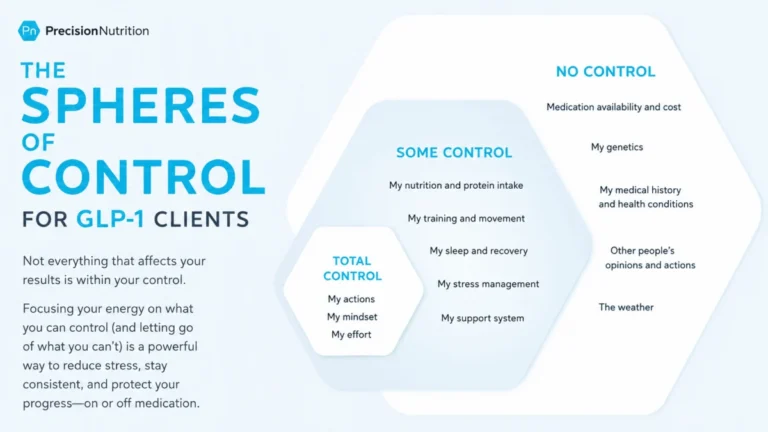
If you or your clients are concerned about biological age, prioritize these "Big Rock" strategies before looking at a lab report:
- Consistent Resistance Training: To maintain muscle mass, bone density, and metabolic flexibility.
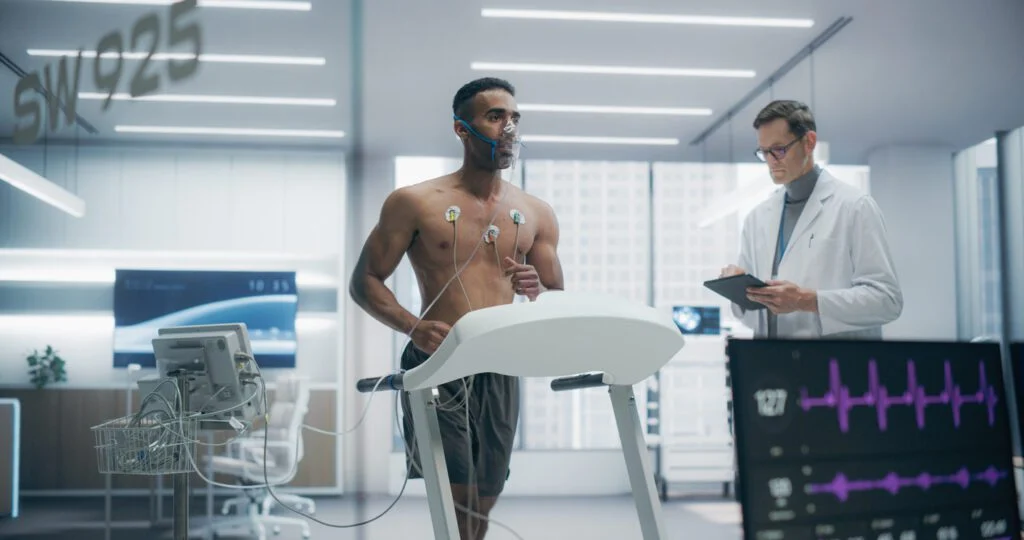
- Cardiovascular Conditioning: To optimize VO2 Max—the gold standard of aerobic health.
- Nutrient-Dense Nutrition: Focusing on whole foods to minimize systemic inflammation.
- Sleep Hygiene: The most potent, free "anti-aging" tool available.
- Stress Management: Regulating the nervous system to prevent the "accelerated aging" associated with cortisol dysregulation.
Conclusion: A Tool, Not a Judgment
Biological age testing should be viewed as a compass, not a verdict. If you choose to invest in these tests, treat the results as a baseline. If your data reveals an older biological age, do not fall into a state of despair or reach for the nearest "anti-aging" fad.
Instead, view the data as an objective reflection of your current lifestyle habits. If the test shows your VO2 max is declining, increase your aerobic training. If your muscle strength scores are low, start a progressive resistance program. Use the data to refine your behaviors, not to define your worth.
Ultimately, the "Don’t Die" philosophy should not be about fighting nature, but about optimizing the quality of the years you have. The secret to a younger biological age is rarely found in a test tube; it is found in the daily, often boring, and relentlessly consistent choices we make every single day.