In the modern American workforce, a silent, high-stakes balancing act is taking place. Millions of employees are clocking into their shifts while simultaneously managing the complex, often emotionally taxing needs of their aging parents, grandparents, and children. As June marks "Employee Wellness Month," the conversation surrounding the intersection of professional responsibility and personal caregiving has never been more urgent.
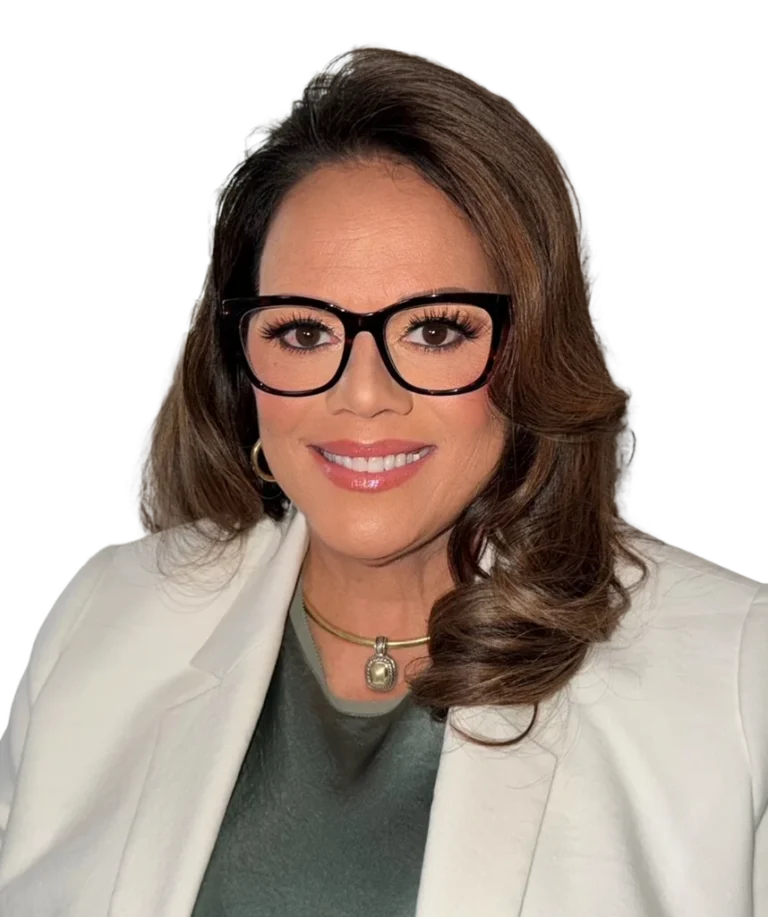
In the latest episode of the "Caregiving Club On Air" podcast (Season 6, Episode 72), host Sherri Snelling—a nationally recognized corporate gerontologist and author—sits down with Melissa Fisher of Kaiser Permanente to unpack the realities of the "Sandwich Generation." This dialogue serves as a clarion call for HR leaders and corporate executives to rethink how they define and support employee wellness.
The Scale of the Challenge: Data Behind the Struggle
The statistics regarding the American caregiving landscape are staggering and serve as a baseline for why this issue is moving from the HR fringe to the center of corporate strategy.
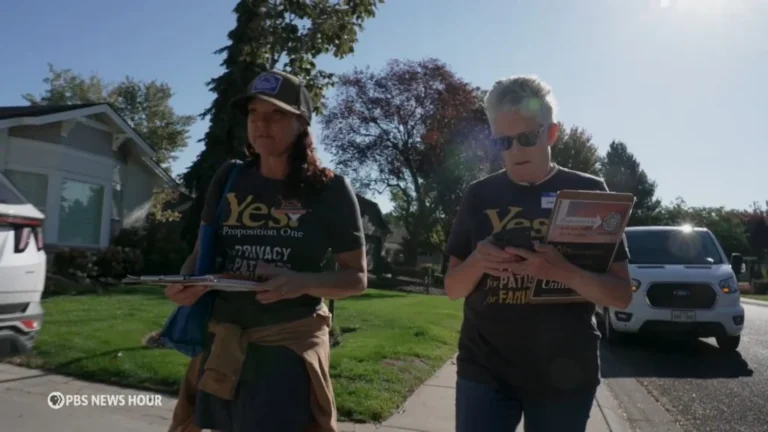
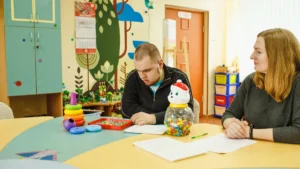
Currently, approximately 63 million Americans provide care for an adult loved one over the age of 18. Of that group, seven in ten are juggling these responsibilities alongside full-time or part-time employment. When the scope is broadened to include the care of children, the numbers become even more acute: one in three employees are now actively involved in caregiving duties for family members of all ages.
These individuals—often referred to as the "Sandwich Generation"—are squeezed between the dual demands of professional output and the intensive, unpredictable nature of elder care. For employers, the implications are profound: absenteeism, presenteeism, burnout, and a significant risk to talent retention. When the support systems for these workers fail, the company’s bottom line often suffers as well.

Chronology: From Private Struggle to Public Advocacy
The partnership between Sherri Snelling and Melissa Fisher began on a broader stage: a panel discussion hosted by the National Conflict Resolution Center (NCRC). The forum, designed for HR executives, focused on the evolving landscape of conflict resolution and support in the workplace.
During this discussion, Fisher shared her personal journey—a trajectory that mirrors that of millions of Americans. Her experience involves the simultaneous care for aging parents, a beloved aunt, and her own children. It was this candid transparency that prompted Snelling to invite Fisher to the podcast.
The narrative arc of their conversation follows a clear path:
- Recognition: Identifying the "invisible" caregiver within the office walls.
- Integration: Moving away from treating caregiving as a "personal problem" and instead viewing it as a core workplace wellness issue.
- Action: Implementing structural changes, such as Employee Resource Groups (ERGs), to normalize the experience and provide actionable support.
Supporting Data: Why ERGs are the New Frontier
As companies struggle to retain talent in a competitive market, the adoption of Caregiving-Focused Employee Resource Groups (ERGs)—also known as Business Resource Groups (BRGs)—has seen a significant uptick.
Research indicates that employees who feel supported by their employers in their caregiving roles exhibit higher levels of engagement and loyalty. According to studies highlighted by the Caregiving Club, the presence of an ERG focused on lifespan caregiving provides a twofold benefit:
- For the Employee: It reduces the isolation associated with the "Sandwich Generation" experience by providing a community of peers.
- For the Employer: It serves as a diagnostic tool, allowing HR leaders to understand the specific pain points of their workforce and implement targeted benefits, such as flexible scheduling, caregiver leave, and mental health resources.
Snelling emphasizes that these groups are not merely social clubs; they are essential infrastructure for modern, empathetic corporate culture.
Official Perspectives: The Role of Kaiser Permanente
Melissa Fisher’s perspective as a representative of Kaiser Permanente is critical. As an organization that lives at the intersection of healthcare and community support, Kaiser has been a proponent of holistic employee health.
In the interview, Fisher highlights that the most effective workplace interventions are those that treat caregiving not as a temporary hurdle to be "gotten through," but as a standard phase of the life cycle. Employers need to offer more than just a benefits checklist. They need to cultivate a culture where an employee can communicate their caregiving needs to a manager without fear of career stagnation or judgment.
Fisher suggests that managers themselves need specific training on how to handle these conversations. By training leaders to listen and provide support, companies can pivot from a culture of crisis management to one of sustainable productivity.
Implications for the Future of Work
The conversation between Snelling and Fisher arrives at a time when the "Caregiving Club On Air" podcast has reached a milestone, ranking #3 among the top 80 caregiving podcasts globally, according to Feedspot. This ranking confirms a growing cultural appetite for resources and discussions that move beyond basic caregiving tips into systemic change.
The Shift Toward Lifespan Caregiving
The traditional model of workplace wellness often focuses on gym memberships, nutrition, or stress-reduction apps. While these are valuable, they ignore the structural stress of the caregiving life. The future of the workplace requires a "lifespan" approach—recognizing that an employee’s needs change as they transition from being a parent of a toddler to a caregiver for an aging parent.
Moving Toward "Care-Friendly" Environments
Implications for HR departments include:
- Cultural Audits: Assessing whether current policies inadvertently penalize those with caregiving responsibilities.
- Managerial Literacy: Ensuring that managers understand the legal and emotional frameworks surrounding family medical leave and flexible work arrangements.
- Resource Mapping: Connecting employees with external tools, such as the Elder Care Locator or the Me Time Monday wellness series, to ensure they have the tools to manage their own health alongside that of their loved ones.
Expanding the Conversation: Resources and Next Steps
The Caregiving Club is expanding its reach to ensure these critical conversations are accessible. Beyond the audio podcast, the organization has launched a new YouTube channel, "Caregiving Club News," which will serve as a hub for research updates, pop culture analysis related to caregiving, and practical resources.
For those looking to deepen their understanding of this topic, the following resources are recommended:
- Professional Development: Reviewing articles like "Caregiver training for managers: How it improves retention, culture & productivity" to gain insights into the ROI of empathy.
- Personal Wellness: Engaging with resources like Sherri Snelling’s book, Me Time Monday, which offers practical strategies for caregivers to reset their mental health.
- Direct Assistance: Utilizing the Elder Care Locator (1-800-677-1116) for those currently navigating the complexities of elder support systems.
As we move through Employee Wellness Month, the message is clear: The "Sandwich Generation" is the backbone of the modern economy. By validating their experiences and providing the institutional support necessary to thrive, companies are not just doing the right thing—they are building a more resilient, loyal, and productive workforce for the future.

For more information on these topics, subscribe to the "Caregiving Club On Air" podcast on your favorite streaming platform and follow the "Caregiving Club News" on YouTube.