



By Jana Wu, LCSW, LADC
In the contemporary era, the human nervous system is under a state of near-constant siege. From the lingering shadows of the COVID-19 pandemic to the destabilizing pressures of the climate crisis, global economic volatility, and relentless social unrest, the cumulative stress experienced by society is unprecedented. This "collective upheaval" is not merely a philosophical concern; it is a biological reality that impacts our mental health, productivity, and interpersonal relationships.
As we navigate this period of historical instability, the need for proactive mental health management has never been more urgent. We are not only tasked with alleviating the stressors of the present moment but also with building "mental health savings accounts"—internal resources that grant us the resilience to endure the inevitable challenges of the future. While traditional support systems like psychotherapy, family, and social networks remain indispensable, we possess an underutilized internal mechanism for emotional regulation: the intentional activation of the neurohormone oxytocin.
The Mental Impact of Uncertainty and Stress
To manage stress, we must first understand how it manifests. Life is a sequence of transitions—weddings, births, career shifts, and bereavements—each carrying its own emotional gravity. Even events culturally coded as "happy," such as the birth of a child or a marriage, can act as significant stressors. These moments demand adaptation, and when that adaptation is met with ambiguity, the brain’s alarm system is triggered.
Psychological research consistently indicates that the fear of the unknown is the primary driver of distress during transitional phases. When we cannot predict outcomes, our brains often default to worst-case scenarios, sparking anxiety, self-doubt, and, in some cases, acute depression. This often manifests as intense irritability or an inability to focus, leaving individuals feeling disconnected from their own lives. We find ourselves questioning our capabilities and life choices, creating a feedback loop of insecurity that further exacerbates the stress response.
The Biology of Connection: What is Oxytocin?
Often colloquially termed the "love hormone," oxytocin is a peptide hormone and neuropeptide produced in the hypothalamus and secreted by the posterior pituitary gland. While its role in childbirth and lactation is well-documented, its function as a neuromodulator—a substance that alters the activity of neurons—is the key to its potential for emotional regulation.
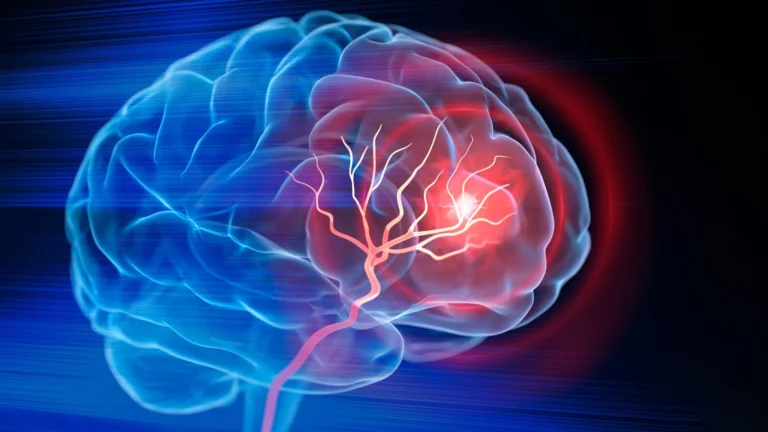
Oxytocin serves as a natural antagonist to the amygdala, the brain’s "threat detection center." When the amygdala senses danger—whether that danger is a physical threat or a social anxiety—it initiates the "fight or flight" response. Oxytocin effectively turns the volume down on this alarm. By fostering feelings of safety, warmth, and social belonging, it allows the prefrontal cortex—the area of the brain responsible for logical reasoning and emotional control—to regain its influence.
Chronology of Resilience: Building the Habit
Resilience is not a static trait; it is a dynamic process of calibration. The shift from a state of panic to a state of calm does not occur overnight, but rather through the consistent practice of behaviors that signal safety to the brain.

- Immediate Regulation: In the heat of a stressful moment, we must rely on "first-aid" behaviors. Physical touch, deep breathing, and brief, intentional social connection can trigger an immediate release of oxytocin, providing a momentary anchor in a sea of anxiety.
- Short-term Adaptation: Over days and weeks, incorporating routines that prioritize social cognition and physical well-being (such as exercise and adequate sleep) helps to stabilize baseline hormone levels.
- Long-term Resilience: By consistently engaging in these practices, we "invest" in our mental health. Over time, the brain becomes more adept at accessing these calm states, making us more resilient to future shocks.
Supporting Data: Why Connection is Biological
The science supporting the use of oxytocin as a health intervention is growing. A 2024 systematic review published in Frontiers highlights how oxytocin contributes to pain management and cardioprotection in athletic contexts, suggesting that social bonding and physical activity create a synergistic effect on the body’s recovery processes.
Furthermore, research published in Nutrients regarding the physiological roles of essential nutrients and hormones underscores that our internal chemical environment is heavily influenced by our external lifestyle choices. When we engage in pro-social behaviors, we are not just "feeling better"—we are actively modulating our endocrine systems to support cardiovascular health, wound healing, and cognitive clarity. The feeling of "warmth" often reported during deep, meaningful conversations is, in fact, the physical manifestation of this hormone circulating through the bloodstream, lowering blood pressure and heart rate.
Strategies for Naturally Boosting Oxytocin
If we want to build our resilience, we must treat oxytocin stimulation with the same intentionality as we do our physical health. Here are several evidence-based strategies to integrate into your daily life:
- Prioritize Physical Touch: Beyond romantic intimacy, simple acts such as hugging a family member, shaking hands, or even the tactile experience of grooming or petting an animal have been shown to release significant amounts of oxytocin.
- Deep, Empathetic Listening: Engaging in a conversation where you are fully present—setting aside devices and focusing entirely on the other person—facilitates a social bond that triggers the release of the hormone in both parties.
- Community Fitness: As suggested by the visual of group fitness classes, participating in collective movement creates a sense of shared purpose and belonging, which acts as a buffer against isolation.
- Acts of Service: Helping others, whether through volunteering or simple random acts of kindness, activates the same neural pathways as social bonding, reinforcing your sense of purpose and connection to the community.
- Laughter and Play: Humor is a potent stress-reliever. Engaging in lighthearted activities with friends or family releases tension and signals to the brain that the environment is safe, effectively suppressing the amygdala’s stress response.
Implications for Modern Society
The implications of this approach are profound. If we shift our focus from merely "treating" mental illness to "building" mental health through neurobiological awareness, we can change the trajectory of our collective well-being. When an individual takes the time to regulate their own nervous system, they create a "ripple effect." Calmness is contagious; when we are regulated, we are better listeners, more patient partners, and more empathetic community members.
This is not a call to ignore the systemic issues of our time. Rather, it is a call to recognize that in order to fight for a better society, we must maintain our internal capacity to function. We cannot pour from an empty cup. By intentionally stimulating oxytocin through connection, play, and self-care, we safeguard our own mental health while simultaneously strengthening the social fabric of our communities.
Conclusion: The Path Forward
In an era of uncertainty, our greatest asset is our ability to adapt. Oxytocin provides the biological foundation for this adaptation, bridging the gap between our emotional pain and our cognitive potential. While the challenges of the world are real and often overwhelming, the power to influence our internal landscape remains within our grasp.
By committing to these practices, we do more than just manage stress—we foster a culture of resilience. We acknowledge that while we cannot always control the events of our lives, we can control how we prepare our minds to meet them. Through the intentional cultivation of connection, we ensure that even in the most turbulent times, we remain grounded, connected, and capable of growth.
Jana Wu is a Licensed Clinical Social Worker (LCSW) and Licensed Alcohol and Drug Counselor (LADC) specializing in the treatment of PTSD, anxiety, and depressive disorders. Her work focuses on the intersection of neurobiology and clinical practice, helping individuals build the internal resources necessary to navigate complex life transitions.
References
- Doseděl, M., et al. (2021). Vitamin C-sources, physiological role, kinetics, deficiency, use, toxicity, and determination. Nutrients.
- Szabó, P., et al. (2024). Systematic review: Pain, cognition, and cardioprotection-unpacking oxytocin’s contributions in a sport context. Frontiers.
- Walter, M. H., Abele, H., & Plappert, C. F. (2021). The role of oxytocin and the effect of stress during childbirth: Neurobiological Basics and implications for mother and child. Frontiers in Endocrinology.