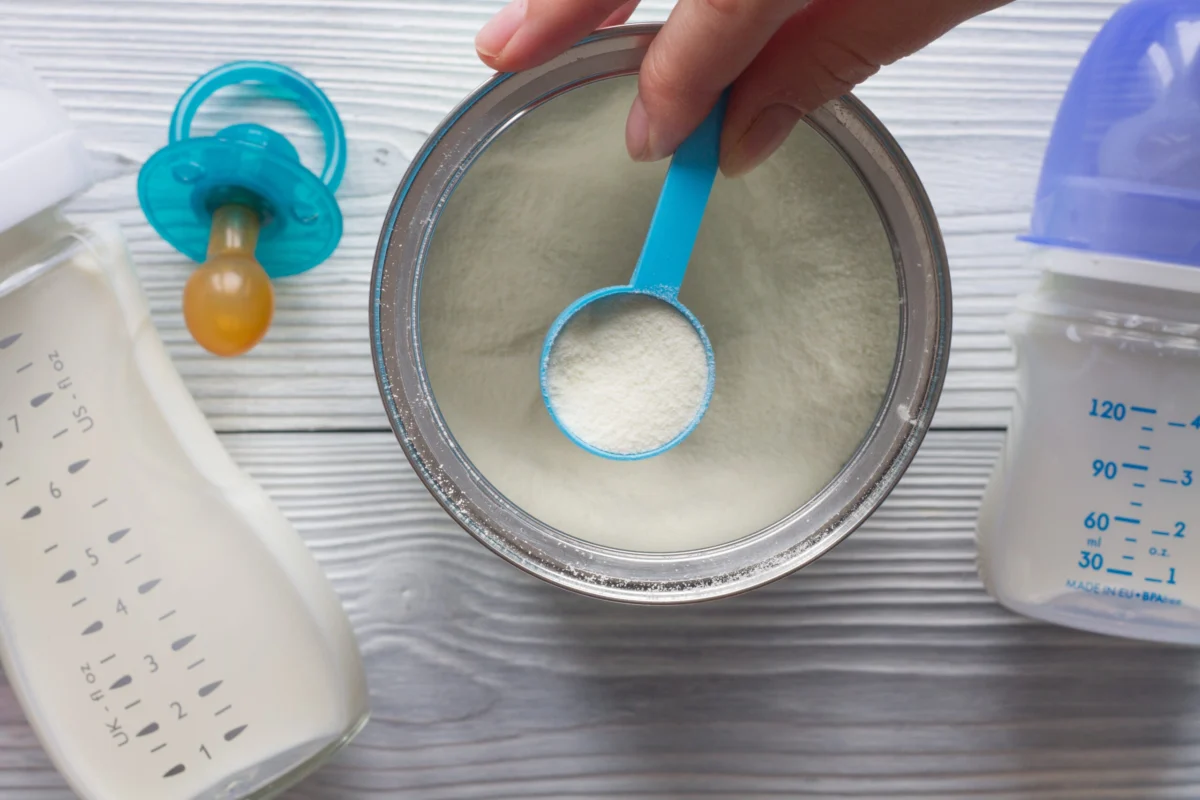
The sight of barren shelves in the baby aisle of grocery stores across the United States has become a haunting image of the post-pandemic economic landscape. For parents and caregivers, infant formula is not merely a commodity; it is a critical lifeline. When supply chains falter, the resulting scarcity triggers a profound public health crisis, exposing the fragility of a market dominated by a few key players and highlighting the urgent need for systemic reform in early childhood nutrition infrastructure.
The Main Facts: Understanding the Scarcity
The U.S. infant formula shortage, which gained significant national attention starting in 2022, was the culmination of a "perfect storm." While supply chain disruptions related to the COVID-19 pandemic served as the initial catalyst, the crisis was exacerbated by a massive product recall and a lack of market diversification.
Infant formula is a highly regulated, nutrient-dense necessity. Unlike other food products, it is often the sole source of nutrition for infants during their most rapid developmental phase. When supply is constrained, families—particularly those in low-income brackets or those relying on WIC (Women, Infants, and Children) programs—face impossible choices. Because infants may require specific hypoallergenic or metabolic formulas to survive, a shortage of one brand or variety can have life-threatening consequences for medically vulnerable populations.
A Chronology of the Crisis
The timeline of the formula shortage is a study in how a singular regulatory event can cascade into a national emergency.
- Early 2020 – 2021: The pandemic initiates widespread labor shortages, raw material scarcity, and logistical bottlenecks. Production slows, and stockpiling behavior begins among consumers, creating early friction in the supply chain.
- February 2022: Abbott Nutrition, one of the primary manufacturers of infant formula in the United States, voluntarily recalls several popular powdered formula brands produced at its Sturgis, Michigan, facility. The recall was prompted by reports of Cronobacter sakazakii—a rare but dangerous bacteria—and Salmonella infections in infants.
- Spring 2022: As the Sturgis facility ceases production to address contamination concerns, the market experiences a violent contraction. Inventory levels plummet, and the "out-of-stock" rate for formula reaches historic highs, often exceeding 40% to 50% in major metropolitan areas.
- Summer 2022: The federal government invokes the Defense Production Act to expedite raw material delivery and organizes "Operation Fly Formula," using Department of Defense aircraft to import millions of canisters of safe, high-quality formula from overseas manufacturers.
- Late 2022 – 2023: Regulatory agencies, including the FDA, begin a slow process of stabilizing domestic production and authorizing emergency imports to bridge the gap while domestic manufacturing slowly resumes full capacity.
Supporting Data: The Concentration of Market Power
A critical factor that transformed a supply disruption into a national crisis is the extreme concentration of the U.S. formula market. According to industry reports, four companies control approximately 90% of the market. This oligopolistic structure means that if one major manufacturer faces a production halt, there is little to no "cushion" in the system to absorb the demand.
Furthermore, the WIC program, which provides formula to nearly half of all infants in the U.S., operates through exclusive state-level contracts. While these contracts keep costs low for the government, they limit consumer choice and restrict the ability of families to switch brands when a specific product is unavailable. Data suggests that the reliance on these rigid contracts, coupled with the lack of decentralized production, created a systemic vulnerability that was years in the making.
Official Responses and Regulatory Shifts
The U.S. Food and Drug Administration (FDA) faced intense scrutiny regarding its oversight of the Sturgis facility. Investigations revealed delays in processing consumer complaints and a sluggish response to early warning signs of contamination.
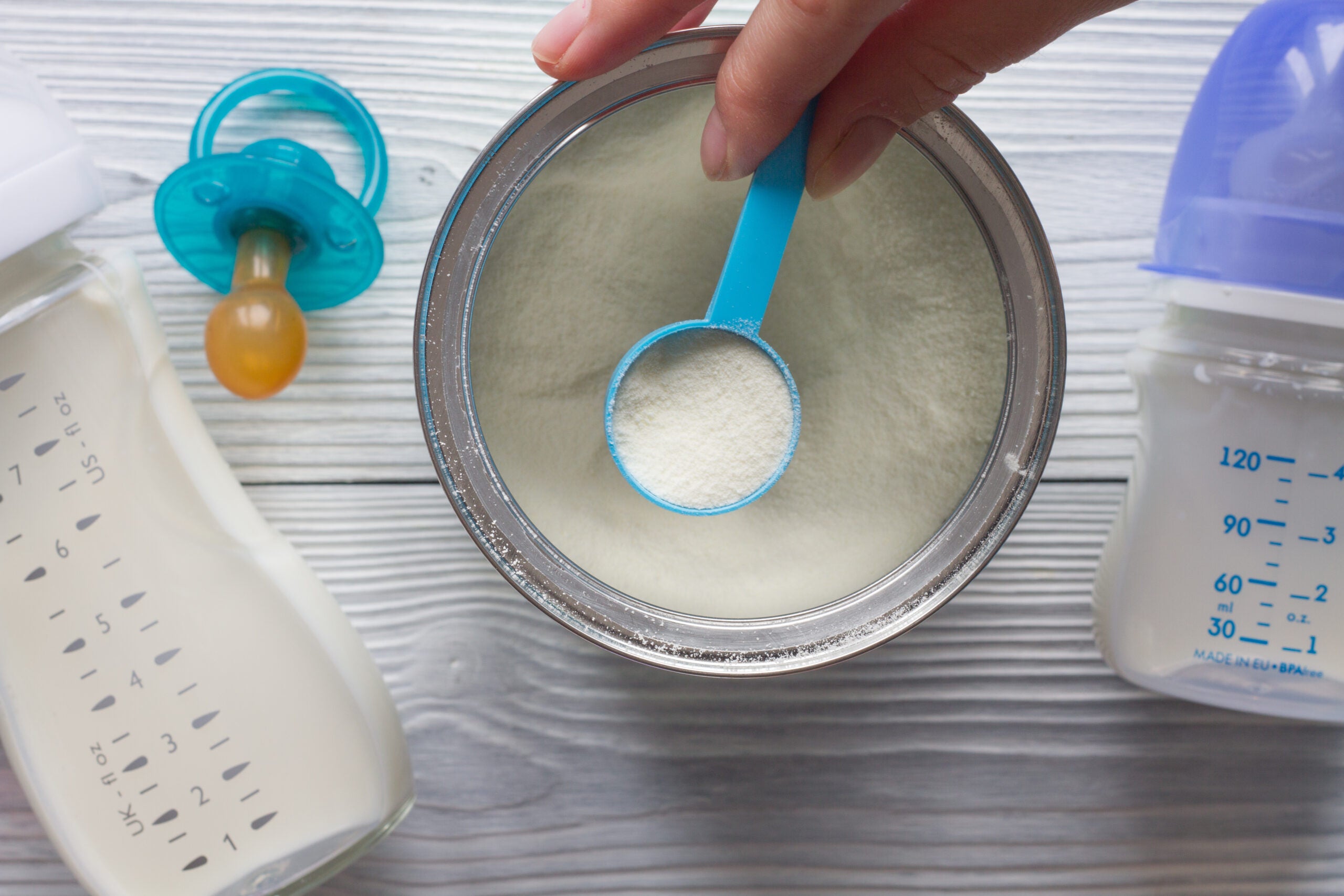
In response, the FDA announced a comprehensive overhaul of its infant formula program. This includes:
- Increased Oversight: Establishing a more robust inspection schedule for infant formula manufacturing facilities.
- Supply Chain Resilience: Developing an early warning system to detect localized shortages before they become national crises.
- Import Flexibility: Creating pathways for foreign manufacturers to enter the U.S. market more easily, provided they meet rigorous safety standards, thereby breaking the dependency on a few domestic factories.
Implications for Families and Public Health
The shortage served as a stark reminder of the complexities surrounding infant nutrition. While public health organizations like the American Academy of Pediatrics strongly advocate for breastfeeding, the reality is that many parents face systemic barriers to doing so.
"Breastfeeding is encouraged, but it is not always a feasible option for mothers who return to work early or do not have access to a lactation support system," experts note. Furthermore, for infants with metabolic disorders, allergies, or gastrointestinal conditions, formula is not just a choice; it is a medical requirement. The shortage forced many families to turn to dangerous alternatives, such as diluting formula with water or attempting to create homemade concoctions, both of which pose severe health risks to infants.
Future Directions: Building a Sustainable Infrastructure
To prevent a recurrence, policy experts are advocating for a fundamental shift in how the U.S. manages the infant nutrition market. The American Journal of Clinical Nutrition has outlined several critical action steps for long-term stability:
- Diversifying Manufacturing: Providing government incentives to smaller, independent manufacturers to enter the market, thereby reducing reliance on the "Big Four."
- Modernizing WIC Contracts: Reforming the state-contract system to allow for more flexibility during emergencies, ensuring that families can access available supplies regardless of the brand.
- Global Integration: Establishing permanent, streamlined pathways for safe international formula to reach U.S. shelves, treating infant formula as a strategic commodity similar to medication or medical devices.
- Strengthening Domestic Oversight: Ensuring the FDA is adequately funded and staffed to maintain constant vigilance over production quality, preventing contamination before it necessitates a total plant shutdown.
Conclusion: Lessons Learned
The infant formula crisis of 2022 was a transformative moment for American public health policy. It highlighted the dangers of prioritizing cost-efficiency and market concentration over supply chain resilience. As the nation moves forward, the focus must remain on creating a robust, multi-layered system that protects the most vulnerable members of society. Ensuring that no parent has to worry about the availability of their child’s primary nutrition source is not merely an economic challenge—it is a fundamental public health imperative.
The path to a more resilient future involves not only better regulation but also a broader societal commitment to supporting maternal health, expanding lactation support, and recognizing that when it comes to infant nutrition, the margin for error must be zero. By learning from the failures of the past two years, the U.S. can build an infrastructure that is capable of weathering future disruptions, ensuring that every infant, regardless of their family’s circumstances, has access to the nourishment they need to thrive.