









When a diagnosis of Alzheimer’s disease or a related dementia is delivered, the immediate aftermath is often characterized by a profound sense of uncertainty. For families, the clinical reality is frequently eclipsed by the emotional toll of witnessing a loved one begin to change. During this June’s Alzheimer’s Awareness Month, the conversation is shifting from a purely medical focus to a more holistic approach that prioritizes the emotional well-being of both the patient and the caregiver.
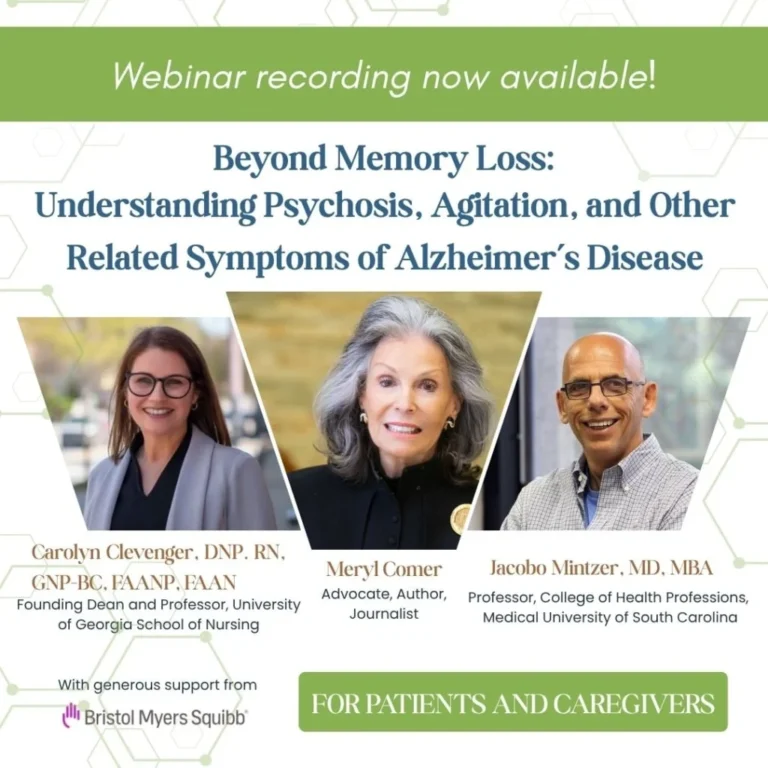
Recognizing the symptoms of dementia is rarely as simple as checking a box on a medical form. Often, the most challenging aspects of the disease are not memory lapses, but the neuropsychiatric symptoms (NPS) that alter personality, behavior, and emotional regulation. By fostering a deeper understanding of these symptoms and the grief that accompanies them, we can build more resilient, compassionate support systems.
The Spectrum of Neuropsychiatric Symptoms
Neuropsychiatric symptoms are among the most common, yet least discussed, manifestations of Alzheimer’s disease. These behaviors—which include agitation, anxiety, depression, apathy, sleep disturbances, and wandering—can appear long before significant cognitive impairment is even detected.
Understanding the Clinical Markers
For families, these symptoms are often the most jarring. A loved one who was once calm may become uncharacteristically agitated; an outgoing individual may retreat into apathy. These shifts are not mere "personality quirks" but are physiological responses to the neurodegeneration occurring within the brain.
Research indicates that these behaviors are often misinterpreted as intentional acts or simple consequences of aging. However, they are clinical markers of the disease process. When these behaviors emerge, they do not just affect the patient; they fundamentally alter the dynamics of the home environment. Caregivers frequently find themselves in a position where they must manage emotional volatility while simultaneously grieving the person their loved one used to be.
A Chronology of Care: From Confusion to Understanding
The journey through Alzheimer’s is rarely linear, but it often follows a pattern of emotional evolution that caregivers must learn to navigate.
The Initial Phase: Denial and Subtle Changes
In the earliest stages, symptoms often overlap with the stressors of everyday life. Memory lapses are dismissed as fatigue; mood swings are attributed to work stress or life transitions. During this period, families often look back with profound guilt, questioning why they did not recognize the signs sooner. This "hindsight bias" is a heavy burden for many, as it leads to feelings of inadequacy or the false belief that earlier intervention would have prevented the inevitable.
The Middle Phase: The Weight of Grief
As the disease progresses and NPS become more pronounced, the reality of the diagnosis settles in. This is the stage where many families experience a unique form of "ambiguous loss"—a psychological state where the loved one is physically present but emotionally and mentally slipping away. During this time, the caregiver’s role shifts from companion to provider, a transition that is often fraught with frustration and exhaustion.
The Mature Phase: Finding Resolve
The final stage of this emotional journey is not one of acceptance of defeat, but one of "resolve." This is the point at which caregivers and patients move beyond the mourning of what has been lost and begin to focus on what remains possible. By shifting the focus from the deficit model—what the patient can no longer do—to a model of preservation—what activities and connections can still be maintained—families can find a sustainable path forward.
Supporting Data and The Toll of Caregiving
The emotional labor required to care for someone with Alzheimer’s is immense. According to data from the Alliance for Aging Research and the National Alliance for Caregiving, the vast majority of caregivers report feeling emotionally and physically drained.

The Burden of Care
The statistics paint a clear picture:
- High Prevalence of Burnout: Over 70% of family caregivers report high levels of stress, with a significant portion experiencing symptoms of anxiety or depression themselves.
- The Hidden Cost of NPS: Caregivers managing patients with severe neuropsychiatric symptoms report higher levels of "caregiver burden" compared to those dealing primarily with physical decline.
- The Necessity of Support: Studies consistently show that families who utilize external resources—such as support groups, respite care, and educational workshops—report better outcomes for both the patient and the caregiver.
The takeaway from these figures is clear: caregiving for a dementia patient is a marathon, not a sprint. Without structured support, the sustainability of the home-care model is at risk.
Official Perspectives: Expert Strategies for Modern Care
Earlier this year, the Alliance for Aging Research, in partnership with the National Alliance for Caregiving, hosted a pivotal webinar titled, "Caring Together: Empowering Families and Health Professionals with Tools for Better Neuropsychiatric Symptom Care." The consensus among the experts was clear: the medical community must provide more than just prescriptions. They must provide a framework for emotional resilience.
Insights from Dr. Brent Forester
Dr. Brent Forester, Psychiatrist-in-Chief and Chairman of Psychiatry at Tufts Medical Center, has been a leading voice in advocating for a "smarter, not harder" approach to dementia care. In his seminal work, The Complete Family Guide to Dementia, Dr. Forester argues that the most effective way to manage care is to focus on the preservation of connection.
"Instead of measuring every change against what once was," Dr. Forester notes, "we must identify existing strengths and continue meaningful activities." This approach encourages families to:
- Prioritize Moments of Success: Build daily routines around the times of day when the patient is most lucid or calm.
- Ask for Help Early: Viewing support as a necessity rather than a sign of failure.
- Reframing Behavior: Understanding that agitation or anxiety is often a form of communication—an expression of a need or a feeling that the patient can no longer verbalize.
Implications for the Future of Care
The implications for families and the healthcare system are profound. As the population ages, the number of individuals affected by Alzheimer’s will continue to rise, making the need for comprehensive support systems an urgent public health priority.
Changing the Narrative
The shift from a reactive to a proactive model of care is essential. This means:
- Early Education: Families need to be educated on NPS long before they become unmanageable.
- Clinical Integration: Doctors must treat the caregiver’s health as part of the patient’s overall treatment plan. If the caregiver is depleted, the patient’s care suffers.
- Destigmatizing Support: The narrative that "I can do this on my own" must be replaced with the understanding that sustainable care is a communal effort.
Conclusion: You Are Not Alone
The journey of Alzheimer’s disease is undeniably difficult, filled with moments of profound grief, frustration, and uncertainty. However, it is also a testament to human resilience. Through the lens of compassion, we can transform the caregiving experience from one of isolated struggle to one of empowered, informed connection.
As we continue to observe Alzheimer’s Awareness Month, it is a vital reminder that whether you are a patient, a family member, or a professional, you are part of a broader network. The tools for better care exist, and the path to a more supported, less lonely journey is paved with open communication, education, and the courage to ask for help. By choosing to focus on the humanity of our loved ones, we find that even in the face of a terminal diagnosis, there is still room for love, for laughter, and for meaningful moments of life.
Lauren Belsky serves as the Development Coordinator at the Alliance for Aging Research, an organization dedicated to accelerating the pace of scientific discovery and improving the lives of older adults through policy, research, and education.