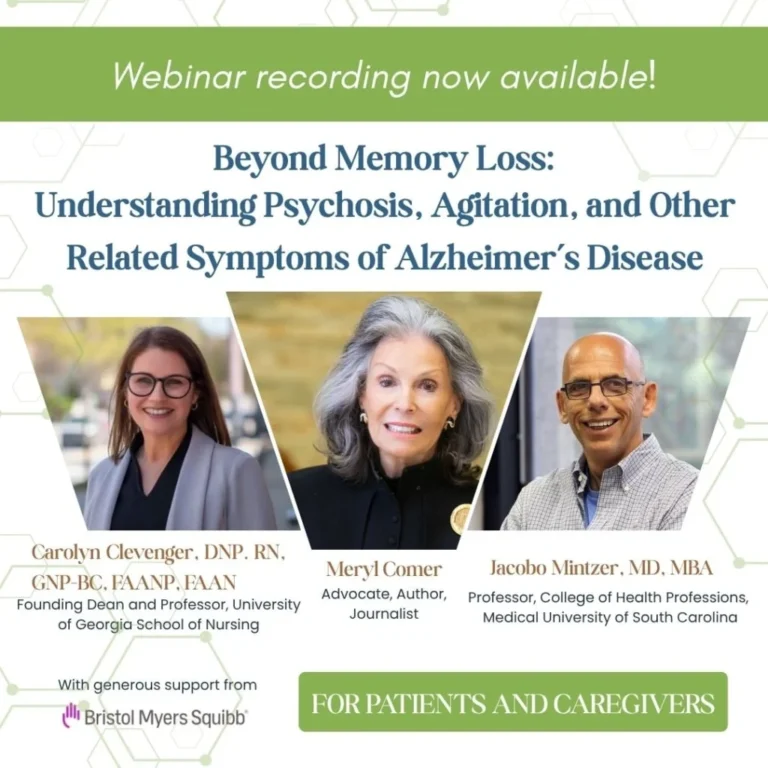








In the shadowed, often unpredictable terrain of an Alzheimer’s diagnosis, the most challenging obstacles are frequently not the medical tests or the clinical charts, but the quiet, profound shifts in human connection. As we observe Alzheimer’s Awareness Month this June, the Alliance for Aging Research is pivoting the conversation. While understanding the clinical manifestations of the disease remains critical, there is an urgent need to address the "hidden" symptoms—the neuropsychiatric symptoms (NPS)—and the complex emotional toll they exact on families and caregivers.
Understanding the Invisible Burden: Neuropsychiatric Symptoms
When we think of Alzheimer’s, we often default to the image of memory loss. However, for those living with the disease and their caregivers, the reality is far more multidimensional. Neuropsychiatric symptoms (NPS) encompass a range of behavioral and psychological challenges that can emerge even before significant cognitive decline is detected.
These symptoms include:
- Agitation and Anxiety: Constant restlessness or irrational worry.
- Depression and Apathy: A profound loss of interest in life and social withdrawal.
- Sleep Disturbances: Disruptions that exacerbate the exhaustion of the caregiver.
- Wandering: A common and high-risk behavior that necessitates constant vigilance.
- Personality Changes: The gradual fading or alteration of the individual’s core character.
The challenge, according to clinical experts, lies in the fact that these symptoms often mimic the normal stresses of aging. Memory lapses, irritability, and social withdrawal are common occurrences in life. Consequently, families often view these shifts through a lens of normalcy until they reach a tipping point. Recognizing these as medical symptoms rather than personal failings is the first step toward effective management.
A Chronology of Care: From Confusion to Recognition
The journey into dementia care is rarely linear. It typically begins with a period of "unconscious observation," where families notice small, subtle changes in a loved one—a missed appointment, a short temper, or a shift in sleep patterns.
- The Early Phase (Subtle Onset): Symptoms appear as minor behavioral quirks. Families often rationalize these as "just getting older."
- The Recognition Gap: As symptoms progress, the frequency of these behaviors increases, creating stress within the household. This is where the emotional burden—particularly guilt—often sets in. Caregivers frequently look back, wondering why they didn’t "see the signs" sooner.
- The Clinical Intersection: Once a formal diagnosis is reached, the focus shifts to education. The Alliance, in partnership with the National Alliance for Caregiving, has been working to bridge this gap through initiatives like their recent webinar, "Caring Together: Empowering Families and Health Professionals with Tools for Better Neuropsychiatric Symptom Care."
- The Pivot to Resolve: The final stage in the caregiver’s evolution is the transition from grief over what has been lost to a "resolve" to maximize the quality of life that remains.
Supporting Data: The Caregiver Reality
The emotional and physical strain on caregivers is supported by overwhelming data. Research consistently indicates that the "hidden" nature of NPS contributes to caregiver burnout. Because these symptoms—like agitation or personality shifts—are often misunderstood by the public as "bad behavior," caregivers often feel isolated and stigmatized.
- The Prevalence of Guilt: A survey of long-term caregivers revealed that over 70% experience intense feelings of guilt related to their inability to "fix" the behavioral changes in their loved ones.
- The Impact of Education: Studies show that when caregivers are provided with professional tools to interpret NPS, their stress markers significantly decrease.
- Early Intervention: Clinical studies have confirmed that identifying NPS early leads to better medication management, fewer emergency room visits, and a more stable home environment.
Expert Perspectives: A New Approach to Care
Dr. Brent Forester, Psychiatrist-in-Chief and Chairman of Psychiatry at Tufts Medical Center, has become a leading voice in the movement to redefine dementia care. In his seminal work, The Complete Family Guide to Dementia, he advocates for a shift in mindset: moving from a model of "doing everything" to "doing what works."
"We must stop measuring our loved ones—and ourselves—against the version of the person that existed before the disease," Dr. Forester emphasizes. His approach encourages families to identify the "remains of the possible." This means focusing on the strengths that a patient still possesses and building a daily routine around those successes rather than fixating on the cognitive deficits.
This "smarter, not harder" approach acknowledges that a caregiver’s energy is a finite resource. Seeking help from support groups, utilizing respite care, and accepting that you cannot provide 100% of the care 100% of the time is not an admission of failure; it is a tactical necessity for long-term sustainability.

The Implications of Professional and Familial Support
The implications of these findings for public policy and healthcare delivery are clear. If we want to support the millions of families dealing with Alzheimer’s, we must integrate mental health support for caregivers into the standard clinical pathway.
The Grief of "Ambiguous Loss"
Psychologists refer to the emotional state of many Alzheimer’s caregivers as "ambiguous loss." This is the grief experienced when a loved one is physically present but psychologically absent or fundamentally changed. Unlike traditional mourning, this grief is ongoing and often lacks the social support rituals (like funerals) that help us process loss.
Recognizing this as a legitimate form of grief is vital. Family members need permission to mourn the person their loved one once was, even while they continue to care for the person they are today.
Building a Sustainable Ecosystem
To move forward, the medical community and society at large must:
- Normalize the Conversation: Discussing NPS should be as standard as discussing cholesterol or blood pressure in older adult checkups.
- Resource Accessibility: Caregiver resources must be easy to navigate, affordable, and culturally competent.
- Peer Support: The most effective medicine is often the connection with others walking the same path. Support groups provide not just practical tips, but the emotional validation that "you are not alone."
Conclusion: A Path of Resilience
The journey of Alzheimer’s is fraught with challenges that test the limits of human patience and compassion. Yet, as the Alliance for Aging Research continues to highlight, there is immense strength to be found in the community of caregivers and patients alike.
While the diagnosis itself carries a heavy weight, it does not have to extinguish hope. By focusing on education, embracing practical support systems, and shifting our focus from what has been lost to the connection that still exists, we can navigate the complexities of this disease with grace.
If you are a caregiver or a family member currently navigating these waters, remember that your struggle is seen and your efforts are profound. The path ahead may be uncertain, but it is one you do not have to walk in isolation. Whether you are seeking clinical guidance or simply a moment of understanding, resources are available to help you build a new, resilient way forward.
Lauren Belsky is the Development Coordinator at the Alliance for Aging Research, an organization dedicated to accelerating the pace of scientific discovery and improving the lives of older adults.