






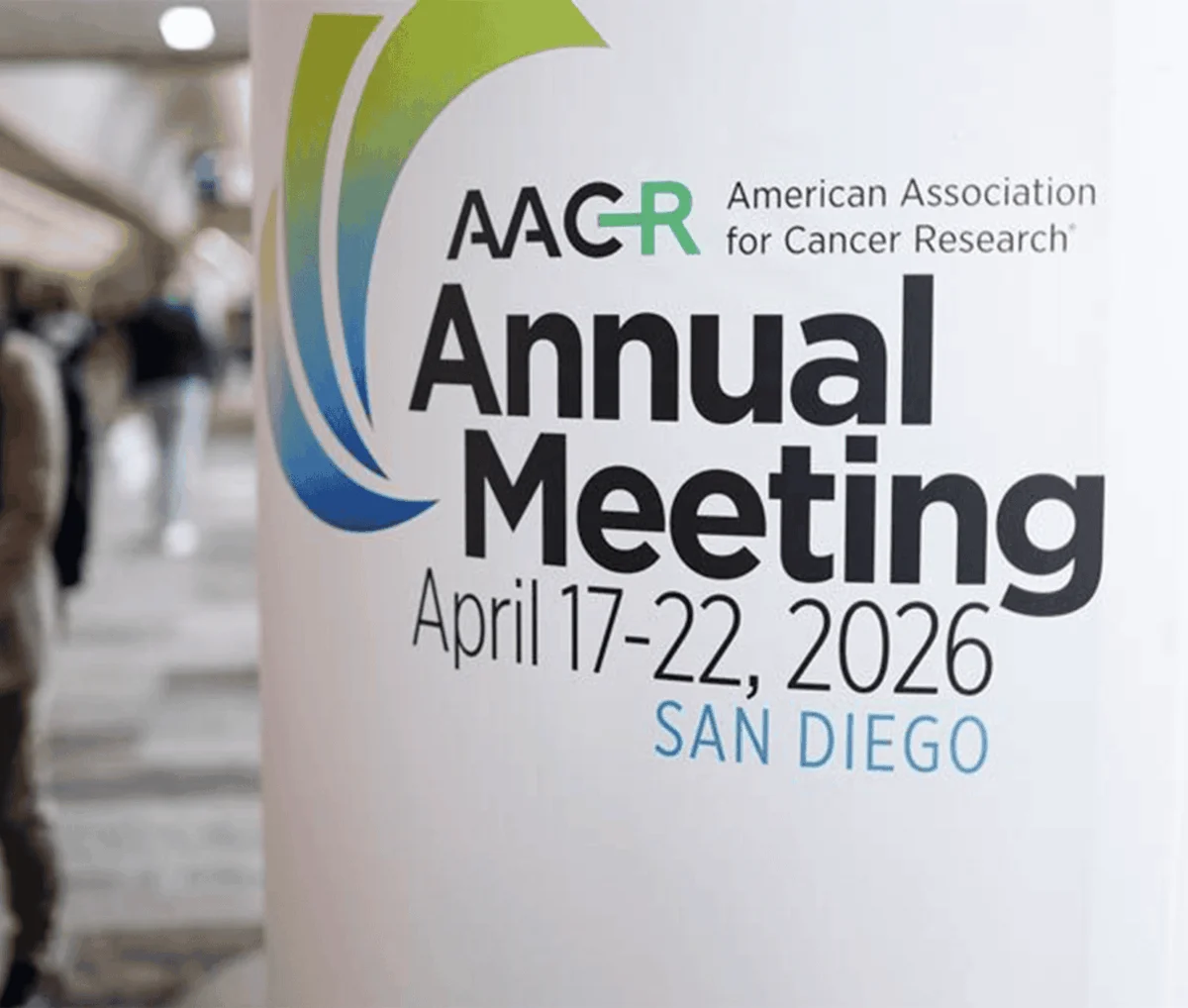
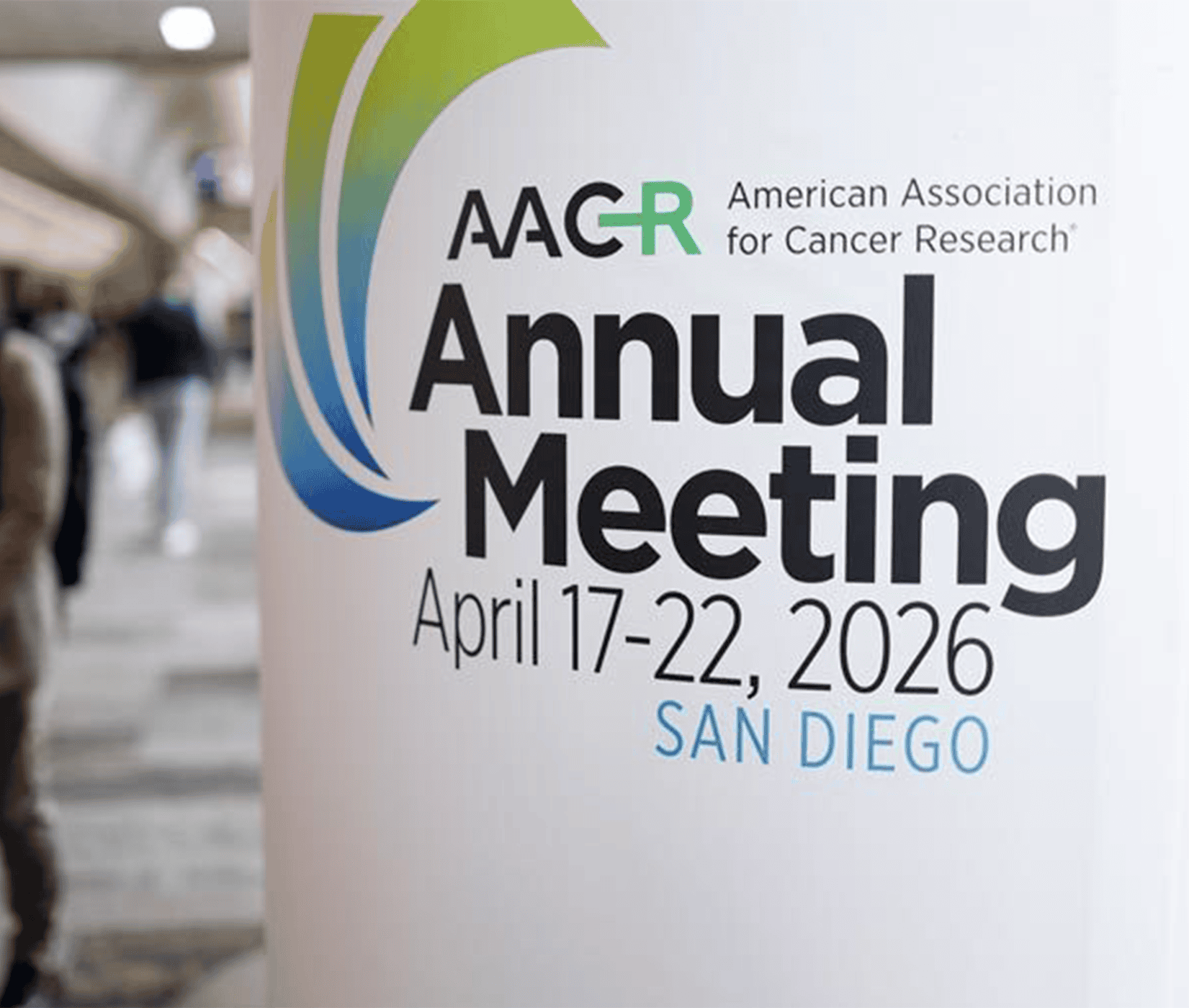
The American Association of Cancer Research (AACR) Annual Meeting, held in San Diego from April 17–22, 2026, served as a definitive turning point for the oncology community. Far from being a mere showcase of isolated breakthroughs, the 2026 assembly highlighted a profound, structural shift in how the scientific community approaches the malignancy. The overarching narrative of the week was clear: the era of "siloed" science is giving way to a new, highly integrated paradigm where biology, advanced technology, and policy reform converge to turn terminal diagnoses into manageable, or even preventable, conditions.
Main Facts: A New Frontier in Oncology
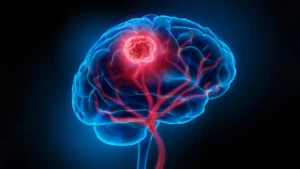
The fundamental consensus emerging from the meeting is that cancer must no longer be viewed as an autonomous cluster of rogue cells. Instead, it is increasingly understood as a "systemic disease" inextricably linked to its host environment.
Key takeaways from the conference included:
- The Ecosystem Approach: Researchers are moving beyond the tumor to analyze the surrounding "tumor microenvironment" (TME), which includes the microbiome, metabolic signals, and, crucially, the peripheral nervous system.
- Precision Immunotherapy: The field is pivoting from "broad-spectrum" immune activation to highly nuanced, patient-specific immune modulation.
- The Technological Pivot: Artificial Intelligence (AI) and spatial biology are no longer just supplemental tools; they are now foundational to the research pipeline, from drug discovery to clinical trial design.
- Prevention as Treatment: Immunotherapy is successfully moving into the "pre-cancer" space, demonstrating that early intervention can eliminate lesions before they become invasive.
Chronology of the 2026 AACR Meeting
The six-day event was structured to move from foundational discovery to clinical implementation:
- Days 1-2: Biological Fundamentals: Sessions were dominated by new discoveries regarding the role of neuro-oncology. Researchers highlighted how nerve signals can actively suppress anti-tumor immune responses, providing a potential explanation for why some patients fail to respond to traditional immunotherapy.
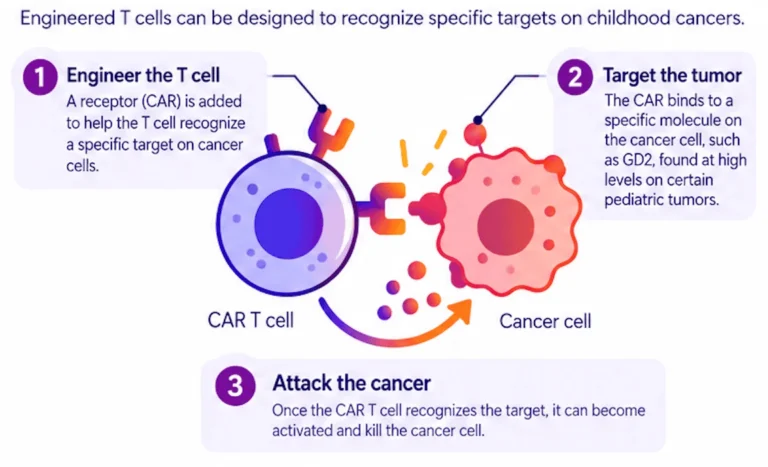
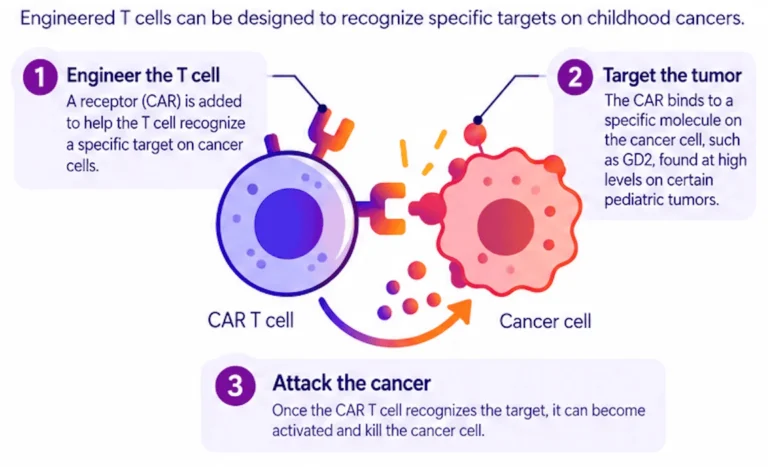
- Days 3-4: Clinical Breakthroughs: The middle of the week shifted to the AACR-ASCO Joint Session. This period saw a critical focus on solid tumors, specifically addressing the persistent difficulty of making CAR T-cell therapies effective against non-blood-based cancers.
- Days 5-6: Policy and Practicality: The closing sessions addressed the "innovation gap." By hosting the Researcher Town Hall, AACR leadership prioritized the discussion of federal funding hurdles, the logistical bottleneck of clinical trial enrollment, and the necessity of making cutting-edge research accessible to a global patient population.
Supporting Data: The Evidence of Evolution
The shift in oncology is backed by a massive influx of data. CRI Research Scientist Fahad Benthani, PhD, presented a comprehensive analysis of over 24,000 global immunotherapy trials, revealing a clear trend toward combinatorial strategies.
The Precision Metric
The data indicates a move away from mono-therapy. By layering immunotherapy with targeted agents—such as those addressing the previously "undruggable" KRAS mutations—researchers are seeing unprecedented response rates in pancreatic and lung cancers. Data from Revolution Medicines, highlighted at the meeting, suggests that targeting specific genetic drivers in combination with immune checkpoint inhibitors could unlock durable responses in patients previously deemed "refractory."
The "Pre-Cancer" Success
Perhaps the most striking evidence presented was from the MD Anderson Cancer Center. Their clinical study on oral precancerous lesions demonstrated that direct injection of nivolumab (Opdivo®) resulted in a 60% reduction in lesion size. Remarkably, over 80% of those lesions remained cancer-free one year post-treatment. This data represents a paradigm shift: by treating the tissue environment before malignancy fully takes hold, clinicians can preserve organ function and quality of life, potentially bypassing the need for disfiguring surgeries.
Official Responses and Expert Consensus
The atmosphere at the meeting was one of "cautious urgency." While the technological tools at the disposal of researchers are the most powerful in history, the administrative machinery of medicine is struggling to keep pace.
"We have reached a stage where our biological insights often outpace our infrastructure," noted several lead investigators during the Town Hall. The consensus is that the "valley of death"—the gap between laboratory discovery and patient-ready therapy—is widening due to regulatory delays and funding instability.
CRI’s Director of Strategic Programs, Dr. Cynthia Neben, emphasized that the data is only as good as the clinical trials that generate it. Her research highlighted that the current clinical trial system is often too centralized, excluding diverse patient populations and limiting the scope of what researchers can learn from real-world outcomes. The call to action from leadership was unified: the industry must prioritize "trial democratization," utilizing digital health tools to bring clinical trials to the patient, rather than requiring the patient to travel to major academic centers.
Implications for the Future
The integration of these disparate fields—biology, technology, and policy—carries significant implications for the next decade of cancer care.
1. The Death of the "One-Size-Fits-All" Trial
As AI continues to refine how we interpret spatial biology and single-cell sequencing, the design of clinical trials will become more granular. Instead of massive, heterogeneous groups, future trials will likely utilize "adaptive designs" that can pivot in real-time based on how a patient’s specific immune profile is responding to a drug.
2. Neuro-Immunology as the New Frontier
The discovery that cancer cells hijack nerve structures to protect themselves from the immune system opens a completely new drug class. We can expect to see an increase in research focusing on the "neuro-oncology axis," where therapies are designed not just to kill tumor cells, but to "denervate" the tumor environment, effectively blinding the cancer to its protective biological signals.
3. Sustainability and Policy
The most difficult hurdle remains policy. Without a sustainable model for federal funding and a streamlined, global approach to regulatory approval, the pace of innovation will inevitably stall. The AACR 2026 meeting served as a warning: scientific excellence is no longer enough. The future of cancer research requires a political and economic strategy that matches the sophistication of the science.
Conclusion: Bridging the Gap
The 2026 AACR Annual Meeting confirmed that we are living in a golden age of cancer research. The barriers that once defined our ignorance—the "undruggable" mutations, the "immune-cold" tumors, and the systemic complexity of the disease—are falling.
However, the path forward is as much about logistics as it is about biology. As we move toward 2030, the goal of the global cancer community is clear: to transition from a period of "extraordinary discovery" to a period of "extraordinary implementation." The challenge is no longer just defining what is possible; it is building a system that ensures those possibilities become standard-of-care realities for every patient, everywhere.
The work of researchers, clinicians, and policymakers over the coming months will be defined by this imperative. If the findings in San Diego are any indication, the tools to eradicate cancer are already within our reach—now, the industry must ensure they are effectively deployed.