









July 14, 2026 – In the high-stakes arena of public health policy, the difference between a struggling program and a thriving, life-saving initiative often comes down to a single line item in the federal budget. For recovery advocates across the United States, the federal appropriations process has long been viewed as a labyrinthine challenge—an opaque system where billions of dollars are allocated, yet the mechanisms of influence remain elusive to the average grassroots organization.
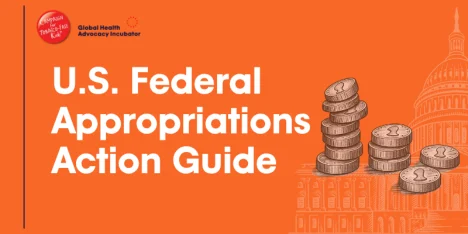
Recognizing this critical gap in advocacy capacity, the Overdose Prevention Initiative (OPI) at the Global Health Advocacy Incubator (GHAI) has released a comprehensive new resource: the U.S. Federal Appropriations Action Guide. This guide, unveiled today, aims to demystify the federal funding cycle, providing community-based recovery organizations with the tactical tools necessary to ensure their voices are heard in the halls of Congress.
Main Facts: Breaking Down the Budgetary Barrier
The U.S. Federal Appropriations Action Guide is designed as a "plain-language" manual for public health professionals and recovery advocates. The central thesis of the guide is that recovery support services—which are essential to the long-term success of individuals managing substance use disorders—require consistent, sustained federal investment. However, securing this funding requires an understanding of the "power centers" within the U.S. House of Representatives and the U.S. Senate.
The guide addresses three core pillars of advocacy:
- System Literacy: Explaining how the appropriations process functions, from the President’s budget request to the final signing of spending bills.
- Stakeholder Identification: Mapping out the key decision-makers on the House and Senate Appropriations Committees who wield the most influence over public health funding.
- Tactical Execution: Providing a suite of "plug-and-play" resources, including templates for congressional testimony, samples for coalition sign-on letters, and suggested "report language" that advocates can use to influence committee reports.
By moving advocacy from a reactive stance to a proactive, calendar-driven strategy, the OPI intends to level the playing field for organizations that often feel sidelined by better-funded corporate lobbyists.
Chronology: The Lifecycle of Federal Appropriations
To understand why this guide is being released now, it is essential to view the appropriations process as a year-long marathon. The guide breaks down the fiscal year (FY) cycle, which typically dictates the pace of advocacy:
- February: The Presidential Request. The cycle begins with the President’s budget request, which serves as a baseline for discussion. Advocates use this time to identify which programs are slated for increases and which are facing cuts.
- March – April: The "Dear Colleague" Phase. This is a critical window where individual members of Congress circulate "Dear Colleague" letters, seeking support from peers to request specific funding levels for programs they prioritize. The guide provides templates to help advocates solicit these letters.
- May – June: Subcommittee Markup. This is where the "heavy lifting" occurs. Subcommittees with jurisdiction over health and human services begin drafting the actual spending bills. This is the moment for high-impact advocacy, as language inserted into committee reports here can direct how federal agencies utilize their budgets.
- July – September: Floor Action and Conference. The full House and Senate debate the bills. Advocates must engage in last-minute lobbying to ensure that favorable report language survives the amendment process.
- October 1st: The New Fiscal Year. Ideally, the budget is passed. However, the guide also addresses the reality of Continuing Resolutions (CRs) and government shutdowns, teaching advocates how to maintain pressure even when the legislative process stalls.
Supporting Data: Why Sustained Funding Matters
The urgency for this guide is backed by sobering data regarding the ongoing overdose crisis. While federal funding for Substance Use Disorder (SUD) treatment has increased over the past decade, it has often arrived in the form of one-time grants rather than sustained, structural funding.
According to recent public health data:
- The Funding Gap: Despite increased investment, the demand for peer-led recovery support services has outpaced supply by nearly 40% in many regions.
- Economic Impact: Every dollar invested in evidence-based recovery support services is estimated to return approximately $4 to $7 in reduced costs related to criminal justice, emergency medical services, and lost workplace productivity.
- The Advocacy Multiplier: Organizations that engage in regular, face-to-face meetings with congressional staffers see a 60% higher likelihood of having their priorities mentioned in committee reports compared to organizations that rely solely on email or generic letter-writing campaigns.
The U.S. Federal Appropriations Action Guide emphasizes these metrics, encouraging advocates to utilize "data-driven storytelling" when approaching legislators. By connecting fiscal responsibility to human outcomes, the guide empowers advocates to frame recovery support not as a cost, but as an essential national investment.
Official Responses: Strengthening the Recovery Voice
The launch of this guide has been met with significant enthusiasm from the recovery community. Leaders at Faces & Voices of Recovery have championed the resource, noting that for too long, the "recovery voice" has been missing from the granular details of the appropriations process.
"Recovery advocates know that strong recovery support services depend on sustained investment," said a spokesperson for the organization. "Yet, many of the federal funding decisions that impact our communities happen through a process that can feel impenetrable. This guide provides the map that allows our community to finally navigate that space with confidence."
The Global Health Advocacy Incubator, the parent organization behind the Overdose Prevention Initiative, designed the guide specifically to be modular. Whether an organization is a small, local community group or a large national coalition, the tools are scalable. "We wanted to ensure that the person running a peer-support center in a rural county has the same access to legislative strategy as a professional lobbyist in D.C.," noted a representative from the OPI.
Implications: A New Era of Grassroots Influence
The release of this guide signifies a potential shift in how the recovery movement interacts with the federal government. For decades, the movement has been highly effective at advocacy regarding awareness and destigmatization. However, the next phase of the movement is clearly focused on institutional power.
Institutionalizing Advocacy
By teaching advocates how to draft "report language"—the non-binding but highly influential text that accompanies appropriations bills—the guide allows advocates to direct the specific focus of federal agencies. For instance, instead of asking for "more money for recovery," an advocate can now use the guide to request that a specific agency prioritize "funding for peer-led transitional housing programs in underserved urban corridors." This level of specificity is what wins legislative battles.
Sustaining the Movement
The guide also addresses the "burnout" often felt by advocates. By providing a clear calendar and a structured approach, it allows organizations to plan their advocacy activities throughout the year rather than engaging in frantic, reactive bursts of energy. This strategic planning is essential for long-term policy change, which rarely happens in a single legislative session.
Democratizing the Process
Perhaps the most significant implication is the democratization of influence. By placing the tools of the trade into the hands of the very people affected by federal policy, the OPI is effectively expanding the coalition of those who have a seat at the table. When community members can speak the language of appropriations, they transform from "constituents asking for favors" into "stakeholders proposing solutions."
Conclusion: Taking the Next Step
As the legislative calendar for the upcoming fiscal year moves toward its final stages, the availability of the U.S. Federal Appropriations Action Guide arrives at a pivotal moment. The recovery community is at a crossroads; as the national conversation on health equity and addiction continues to evolve, the ability to secure federal resources will determine the scale and reach of support services for millions of Americans.
Recovery organizations, community coalitions, and individual advocates are encouraged to download the guide and integrate its strategies into their operational plans. By turning the complexity of the federal budget into an actionable roadmap, advocates can ensure that the voices of those in recovery are not just heard, but are fundamentally integrated into the financial priorities of the nation.
To access the guide and begin strengthening your organization’s impact on federal funding, visit the Global Health Advocacy Incubator website. The path to sustainable recovery support is complex, but with the right tools, it is a path that the recovery community is now fully equipped to navigate.