


For an estimated 80 million adults in the United States, the nightly ritual of sleep is not a restorative sanctuary but a source of silent, invisible struggle. Sleep apnea—a chronic, potentially life-threatening disorder characterized by pauses in breathing—remains one of the most underdiagnosed health crises in modern medicine. While medical professionals have known for decades that up to 80% of those living with the condition remain undiagnosed, the stigma, lack of public awareness, and outdated stereotypes continue to act as barriers to care.
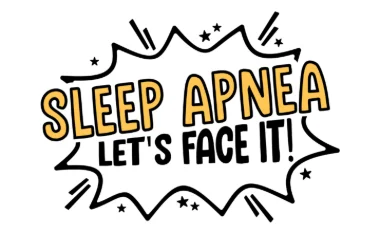
To bridge this chasm between silent suffering and clinical support, the non-profit organization Project Sleep has launched its year-round advocacy initiative, "Sleep Apnea: Let’s Face It!" As the nation prepares for Sleep Apnea Education Week, taking place from April 18 to April 26, this campaign serves as a clarion call to demystify the disorder, humanize the patient experience, and demand better diagnostic standards.
The Silent Epidemic: Understanding the Scope of Sleep Apnea
Sleep apnea, particularly Obstructive Sleep Apnea (OSA), occurs when the upper airway becomes blocked repeatedly during sleep, reducing or completely stopping airflow. The physiological toll is significant: chronic oxygen deprivation can lead to hypertension, heart disease, stroke, and Type 2 diabetes. Despite these severe health implications, the disorder is often dismissed as mere "snoring" or "tiredness."
The Data Gap
The numbers are staggering. According to health data cited by Project Sleep, 80 million U.S. adults are currently living with some form of sleep apnea. However, the diagnosis rate remains abysmally low. This gap exists for several reasons:
- Atypical Presentation: Many people do not fit the narrow, stereotypical profile—often perceived as an older, overweight man—which leads to missed diagnoses in women, children, and people of varying body types.
- Symptom Normalization: Because symptoms like daytime fatigue, irritability, and morning headaches are often attributed to "busy lifestyles," patients frequently normalize their distress until a health crisis occurs.
- Access Barriers: Even when a patient suspects an issue, the pathway to a sleep study can be convoluted, involving insurance hurdles and a lack of primary care physician awareness.
A Chronology of Advocacy: The Path to "Let’s Face It!"
The evolution of the "Sleep Apnea: Let’s Face It!" campaign is rooted in a years-long effort by patient advocates to reclaim the narrative surrounding sleep disorders.
- Pre-2020: The conversation surrounding sleep apnea was largely clinical, dominated by technical discussions of CPAP machines and polysomnography, often ignoring the emotional and social isolation felt by patients.
- 2021-2023: Project Sleep began documenting the "Sleep Apnea Squad," a series of educational resources designed to move beyond the technical aspects of treatment. The focus shifted toward community building, mental health support, and navigating the stigma of using medical devices.
- 2024: Recognizing that education alone was not enough to dismantle deep-seated stereotypes, the organization conceptualized "Let’s Face It!" as a visual campaign, emphasizing the "faces" behind the diagnosis.
- 2026 (Current): The campaign has moved into a year-round operational model, culminating in the upcoming Sleep Apnea Education Week. This year marks a significant pivot toward intersectional advocacy, with a specific focus on the unique experiences of women in the diagnostic process.
Shattering Stereotypes: The Power of Personal Visibility
The centerpiece of the current initiative is a social media-driven movement that invites the public to participate in the conversation. By downloading the official "Sleep Apnea: Let’s Face It!" sign, advocates are encouraged to post photos and testimonials explaining why they are "all in" for sleep apnea awareness.
This is not merely a social media trend; it is a tactical effort to disrupt the "old man with a CPAP" archetype. By showcasing diverse faces—young professionals, parents, athletes, and women—Project Sleep is highlighting the reality that sleep apnea is a pervasive health issue that transcends age, gender, and socioeconomic status.
The Role of the Clinical Community
Medical professionals are a critical pillar of this campaign. Project Sleep has provided a repository of infographics, fact sheets, and printable graphics for doctors to display in their offices. The goal is to create "clinically informed environments" where patients feel comfortable discussing their sleep health without fear of judgment. When a physician posts a photo with the campaign sign, they signal to their patient population that they are not just providers of prescriptions, but partners in the patient’s holistic journey.
Official Perspectives: The "Sleep Apnea Squad" and Expert Guidance
At the helm of this educational mission is Emma Cooksey, Project Sleep’s Sleep Apnea Program Manager. Cooksey, a passionate patient advocate, has worked to ensure that the "Sleep Apnea Squad" series functions as a comprehensive, accessible resource.
"The stigma surrounding sleep apnea is one of the most damaging aspects of the condition," Cooksey notes. "When we stop treating it as a ‘snoring problem’ and start treating it as a serious, manageable, and highly prevalent health condition, we empower patients to take ownership of their health."
The series covers a broad spectrum of topics:
- Navigating the CPAP: Tips for comfort, mask fitting, and acclimation.
- Mental Health and Sleep: Addressing the depression and anxiety that often co-occur with sleep deprivation.
- Advocacy in the Exam Room: How to push for testing when a doctor might be dismissive.
Highlighting Women in Sleep Medicine
A significant milestone for this year’s Education Week is the upcoming broadcast on April 21, 2026, titled "Women and Sleep Apnea." Research has consistently shown that women are often under-diagnosed because they may not report the classic symptom of snoring; instead, they often report insomnia, depression, and fatigue. The panel will dissect these gender-specific nuances, providing a much-needed roadmap for women to receive accurate care.
Implications for Public Health
The "Sleep Apnea: Let’s Face It!" campaign holds profound implications for the American healthcare system. If successful, the movement could:
- Reduce Healthcare Expenditures: By increasing early diagnosis and treatment, the long-term costs associated with cardiovascular disease and metabolic disorders linked to untreated sleep apnea could be substantially lowered.
- Improve Workforce Productivity: Chronic sleep deprivation is a major contributor to workplace accidents and burnout. Increased awareness could lead to a more rested, focused, and healthier workforce.
- Drive Policy Change: As the visibility of the patient community grows, so does the political capital to push for better insurance coverage for home sleep testing and more accessible, comfortable treatment options.
How to Get Involved
As Sleep Apnea Education Week (April 18–26, 2026) draws near, Project Sleep is urging the public to engage in a few key ways:
- Share Your Story: If you or a loved one has been affected by sleep apnea, share your journey online using the hashtag #SleepApneaLetsFaceIt.
- Utilize the Resources: Download the educational toolkits available on the Project Sleep website. Whether you are a patient, a caregiver, or a clinician, these resources are designed to provide clear, actionable information.
- Join the Conversation: Participate in the virtual events, including the Women and Sleep Apnea panel on April 21.
A Future Without Silence
The ultimate goal of this campaign is to reach a point where sleep apnea is treated with the same urgency and lack of stigma as asthma or hypertension. By peeling back the layers of shame and apathy that have surrounded the condition for decades, Project Sleep is ensuring that the 80 million people living with this disorder are no longer just statistics. They are, quite literally, being given a voice—and for the first time, they are being heard.
As we look toward the future, the "Sleep Apnea: Let’s Face It!" initiative serves as a powerful reminder: a healthier, more vibrant life begins with a good night’s sleep. And for millions, that journey starts by simply acknowledging that the problem exists.