Published August 25, 2026
Processing a loss while navigating the heavy, disorienting fog of grief can feel like traversing a landscape where the horizon has vanished. In moments of profound sorrow, the world often loses its familiar shape, leaving individuals searching for a way to anchor themselves. While modern society often encourages us to "think" our way out of emotional distress, experts in somatic therapy and yoga suggest that true healing frequently begins within the physical body.
When life feels impossible to navigate, pausing is not a sign of weakness—it is a physiological necessity. Although we cannot control the external circumstances that lead to loss, we can cultivate a degree of agency over our internal response. By utilizing gentle, restorative yoga, we can provide the nervous system with the safety required to process complex emotions.
The Science of Somatic Release: Why the Body Holds Grief
To understand why yoga is an effective tool for grief, one must first understand how the body stores emotional trauma. Grief is not merely a mental state; it is a physiological event. When we experience loss, the nervous system often shifts into a state of "freeze" or hyper-arousal, as the body struggles to integrate the overwhelming influx of stress hormones like cortisol and adrenaline.
Psychologists and somatic practitioners have long noted that "the body keeps the score." When emotions are too vast to be processed through traditional talk therapy alone, they can become trapped as muscular tension or chronic fatigue. Yoga serves as a bridge, allowing the individual to bypass the "analytical" brain and address the nervous system directly. By practicing poses that emphasize grounding, openness, and release, we signal to the brain that despite the reality of our loss, the body is currently safe.
Chronology of Recovery: A Framework for Healing
Healing from grief is rarely linear; it is a cyclical, often turbulent process. However, integrating a regular physical practice can help structure this journey.
- Phase 1: The Initial Shock (0–3 months post-loss): During this time, the goal is not "transformation," but rather survival. The focus should be on restorative, supported shapes that require minimal physical effort.
- Phase 2: The Emergence of Feeling (3–9 months): As the initial numbness begins to fade, feelings of anger, sadness, or confusion often surge. Movement-based practices, such as Cat-Cow, can help "move" these stagnant emotions through the body.
- Phase 3: Integration and Adaptation (9 months+): At this stage, practitioners may feel ready for deeper, more challenging hip or chest openers. This is where the physical practice shifts from mere comfort to active emotional exploration.
Supporting Data: The Role of Prop-Supported Asana
For those grieving, the intensity of a standard yoga class can sometimes be counterproductive. This is why the use of props—bolsters, blocks, blankets, and pillows—is essential. By adding layers of support, we reduce the "effort" required to hold a shape, allowing the parasympathetic nervous system (the "rest and digest" system) to take over.
According to a 2024 study on restorative yoga practices in bereavement groups, participants who utilized props to facilitate "held" postures reported a 35% reduction in self-reported cortisol levels compared to those practicing active, non-supported movement. The tactile feedback of a blanket or bolster provides a sense of being "held" or supported, which is a vital emotional substitute when one feels isolated by loss.
The Six Poses for Emotional Support
To navigate the path of grief, the following sequence has been curated to provide a container for your emotions. Stock up on props; they are not signs of a "lack of flexibility," but rather tools for deep, therapeutic support.
1. Child’s Pose (Balasana)
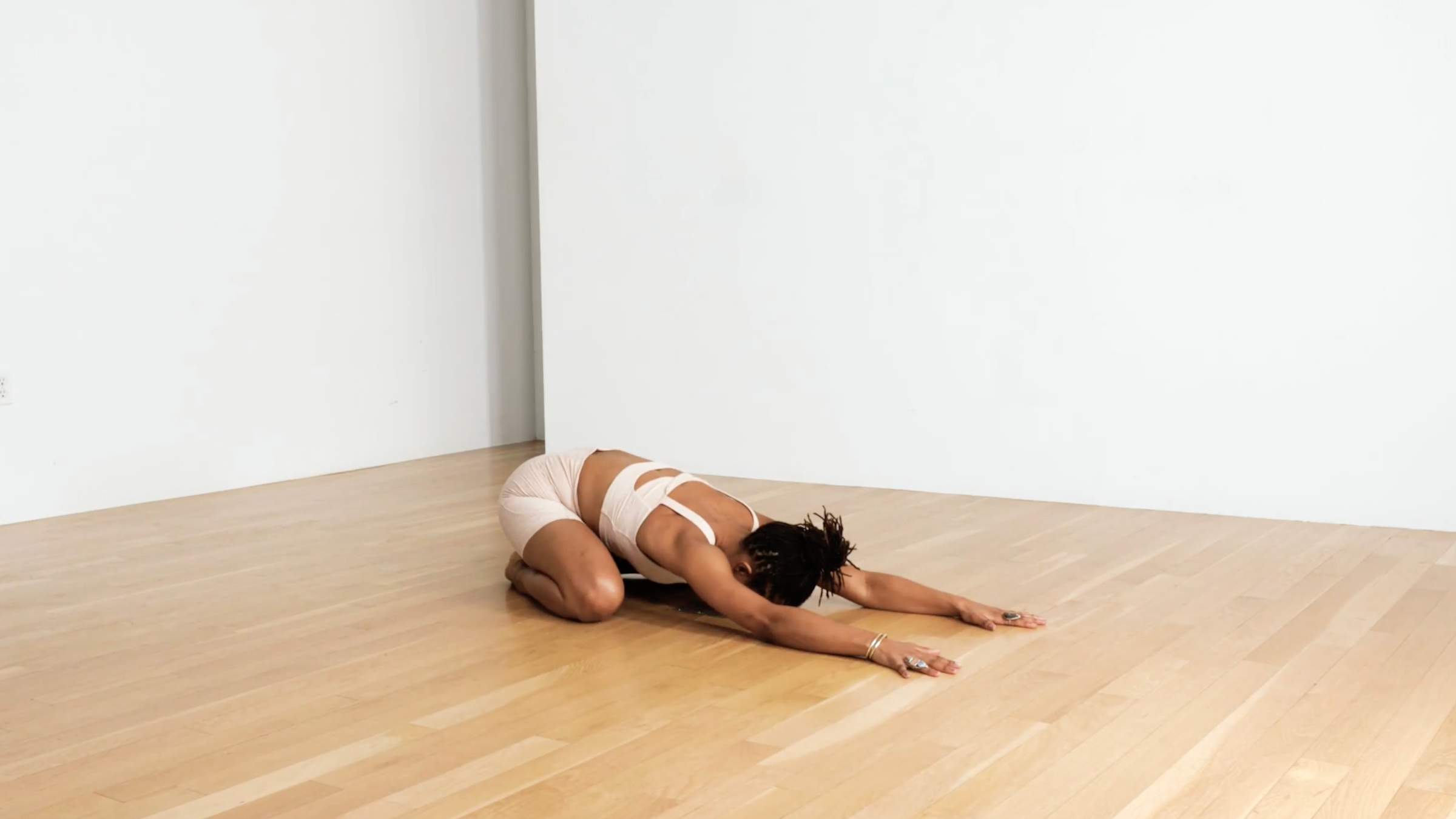
Child’s Pose is the physical embodiment of a pause. It is a posture of surrender. As you sit back on your heels and drape your torso toward the earth, you are signaling to your nervous system that you are choosing to step out of the "fight or flight" mode. Cultivate patience here; you are not trying to reach a goal, but simply allowing yourself to be supported by the floor.
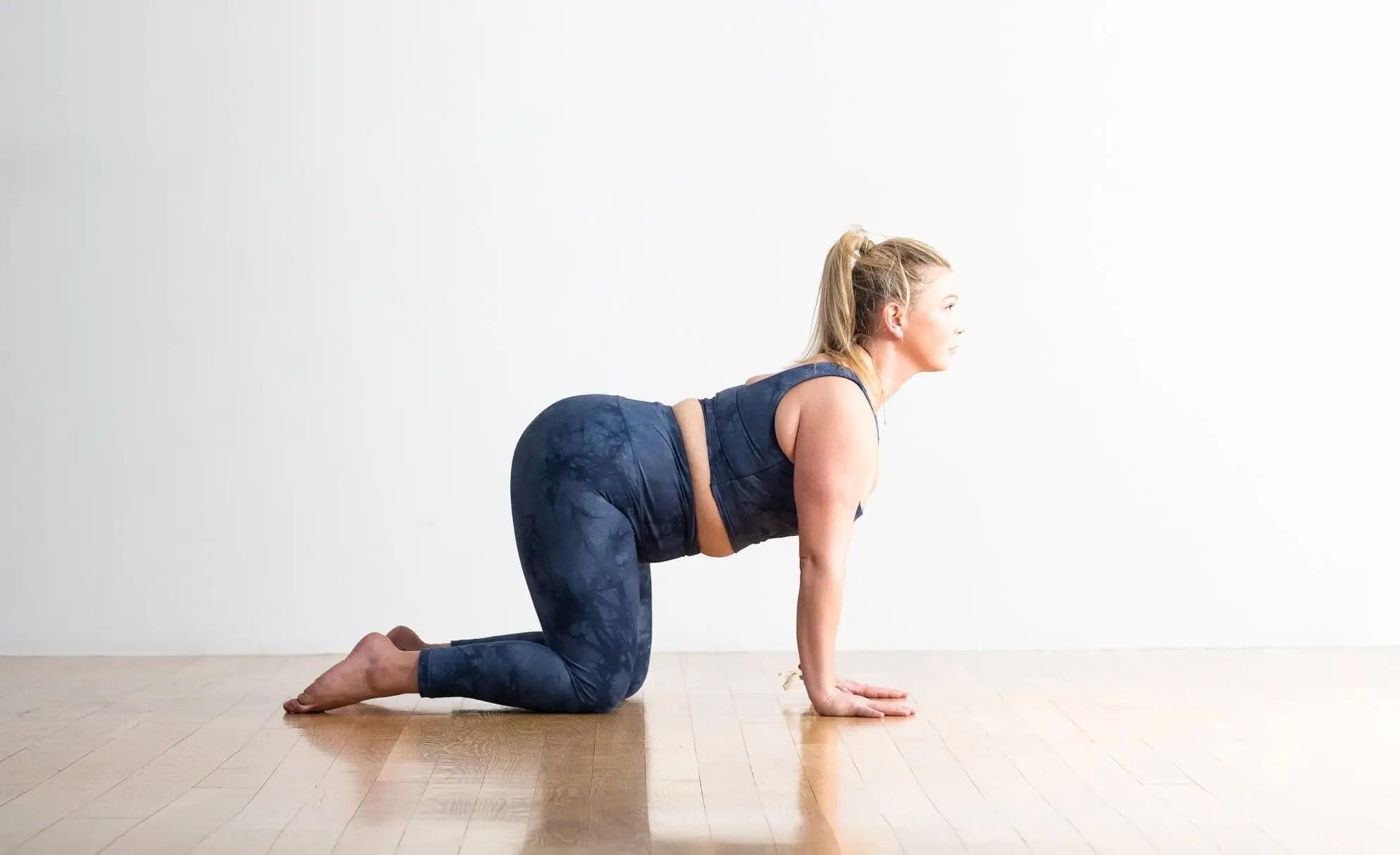
2. Cat-Cow Sequence
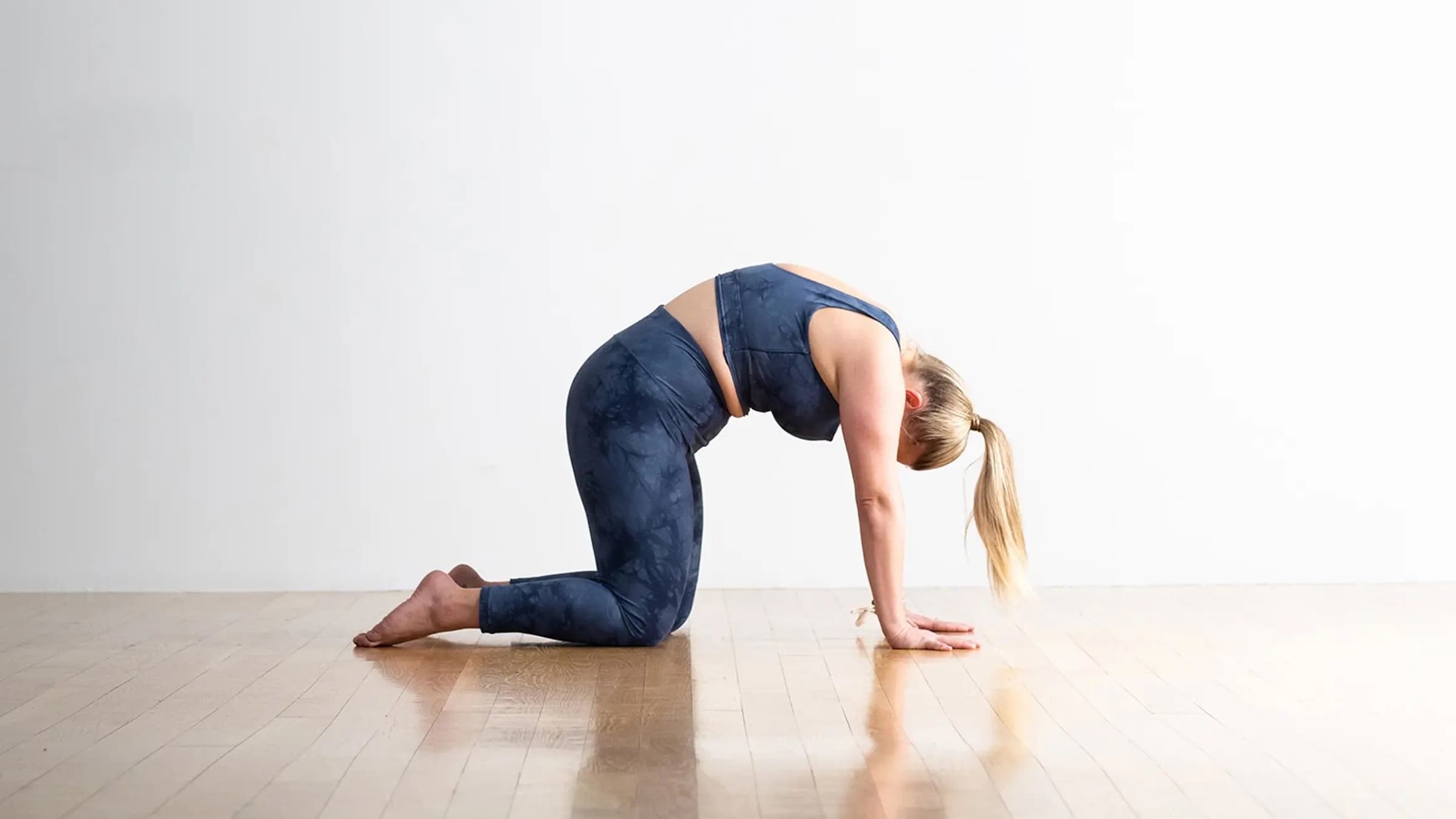
The fluidity of moving between these two shapes helps break the rigidity that grief often imposes on the spine.
- Cat Pose (Exhalation): Rounding the back and tucking the chin is an act of release, allowing you to let go of the breath—and the emotional weight—you’ve been carrying.
- Cow Pose (Inhalation): By arching the back and opening the chest, you create space for a new breath. It is a small but powerful gesture of inviting air and light into the heart space.
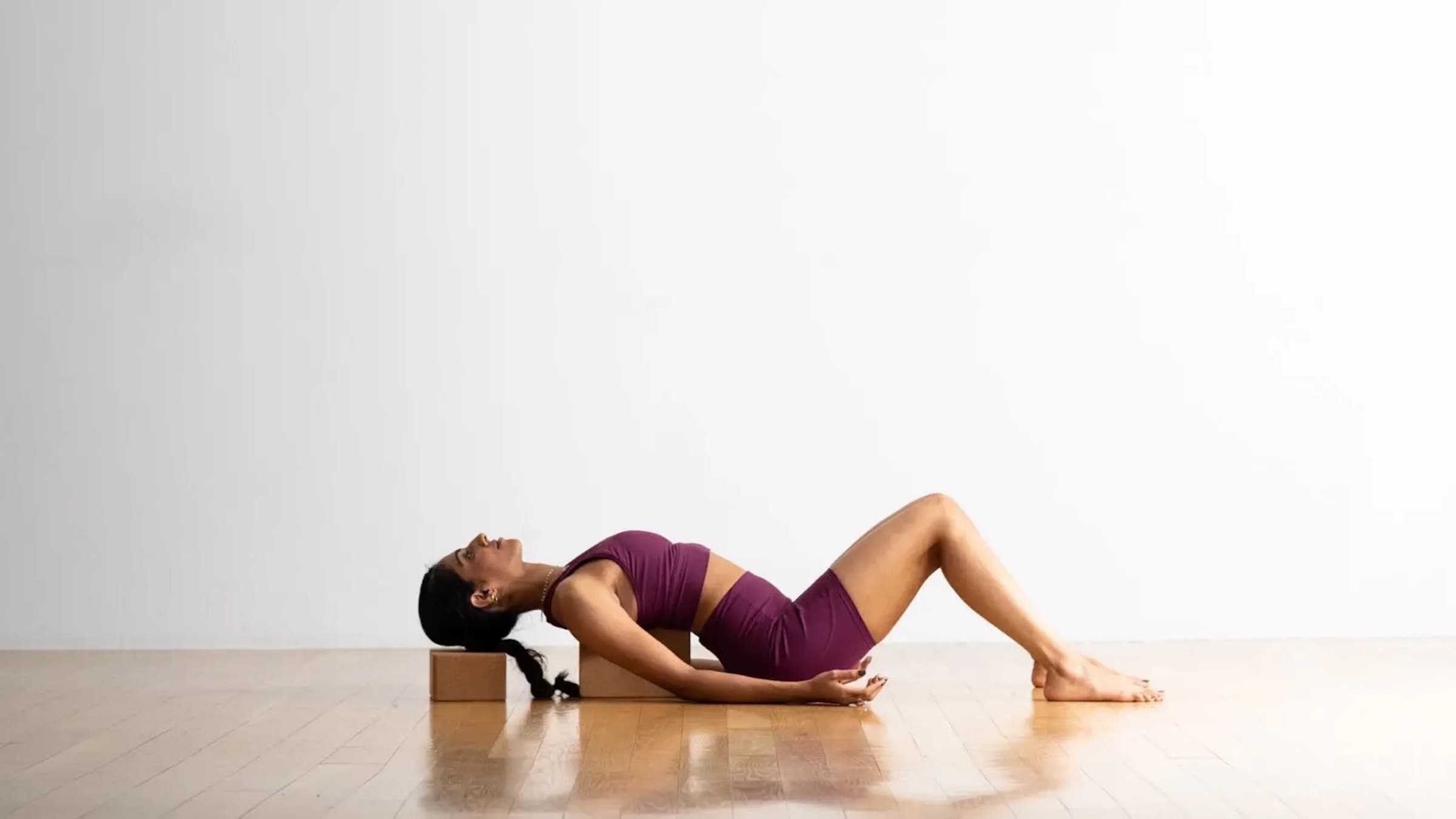
3. Supported Fish Pose
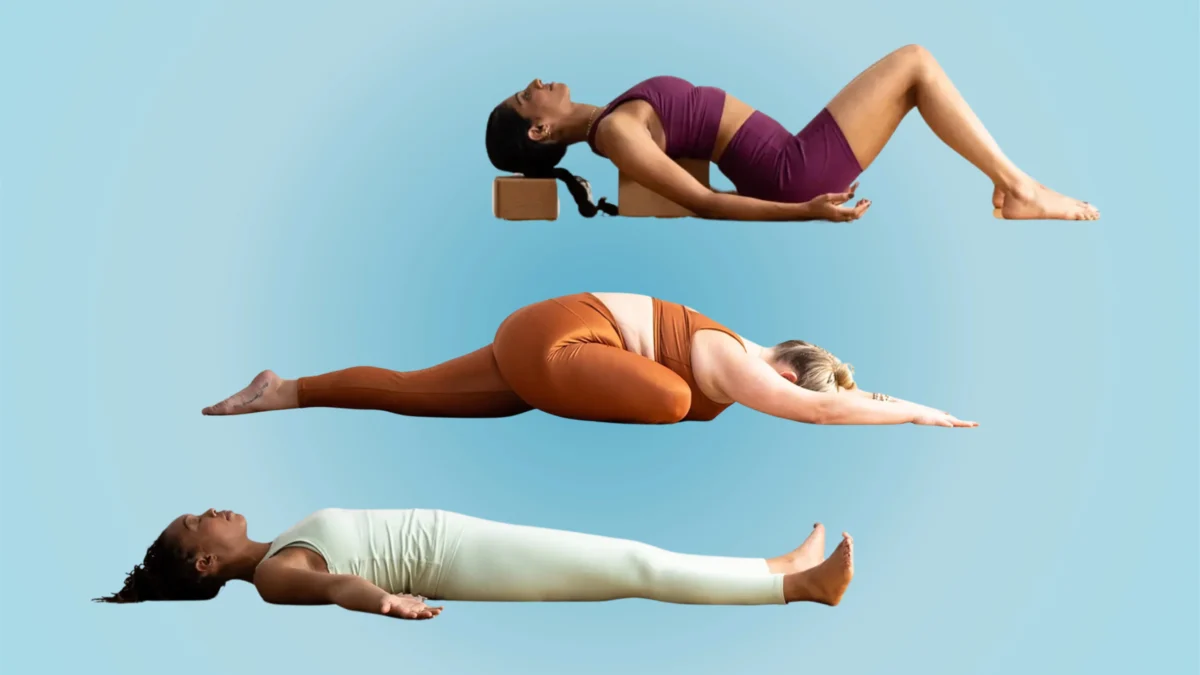
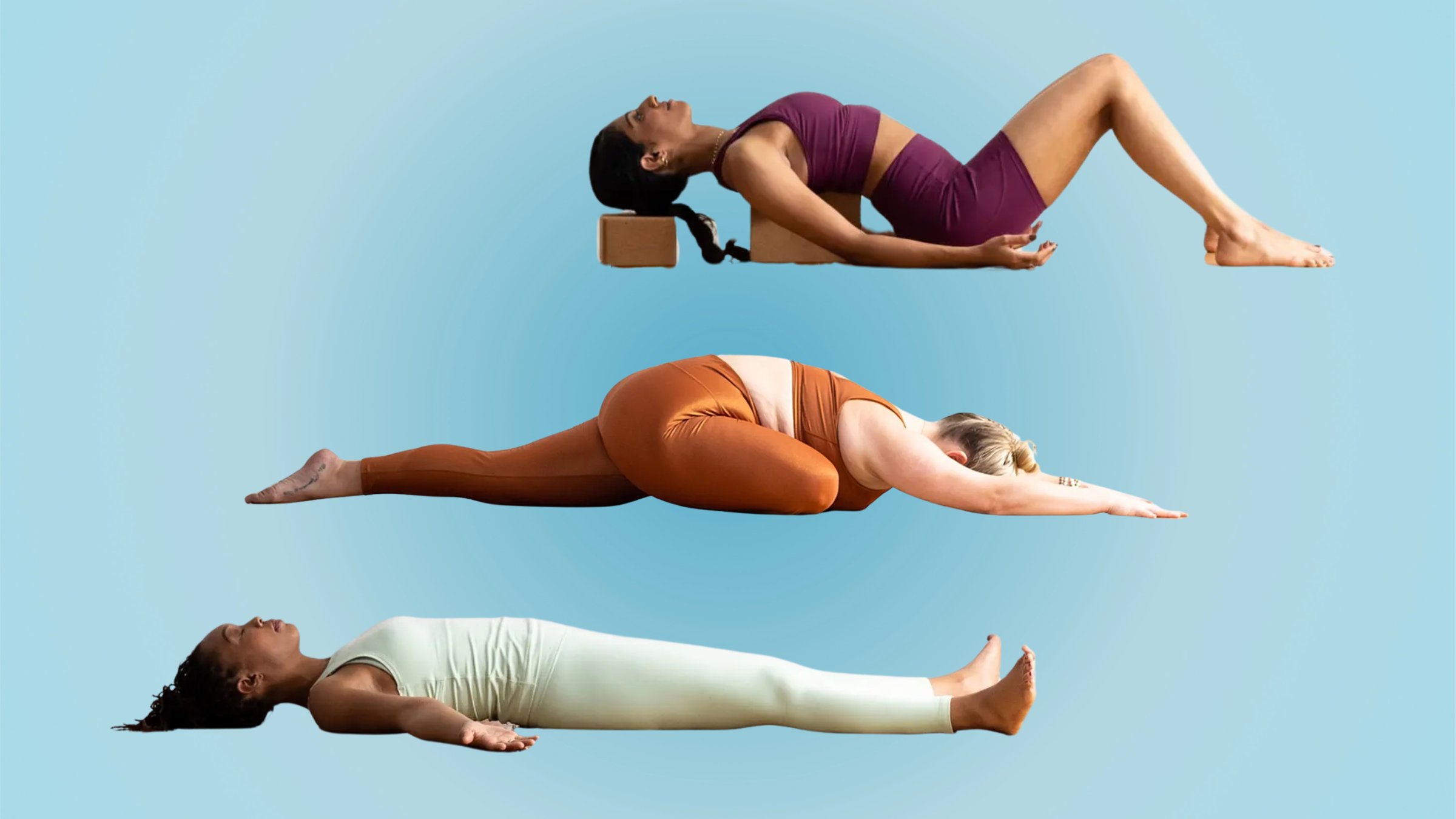
Grief tends to cause us to collapse inward, hunching the shoulders and protecting the heart. Supported Fish Pose, using a bolster or blocks placed under the spine, gently reverses this. It opens the chest, signaling emotional resilience. Furthermore, by opening the throat chakra, it can help facilitate the expression of feelings that have been trapped behind a wall of silence.
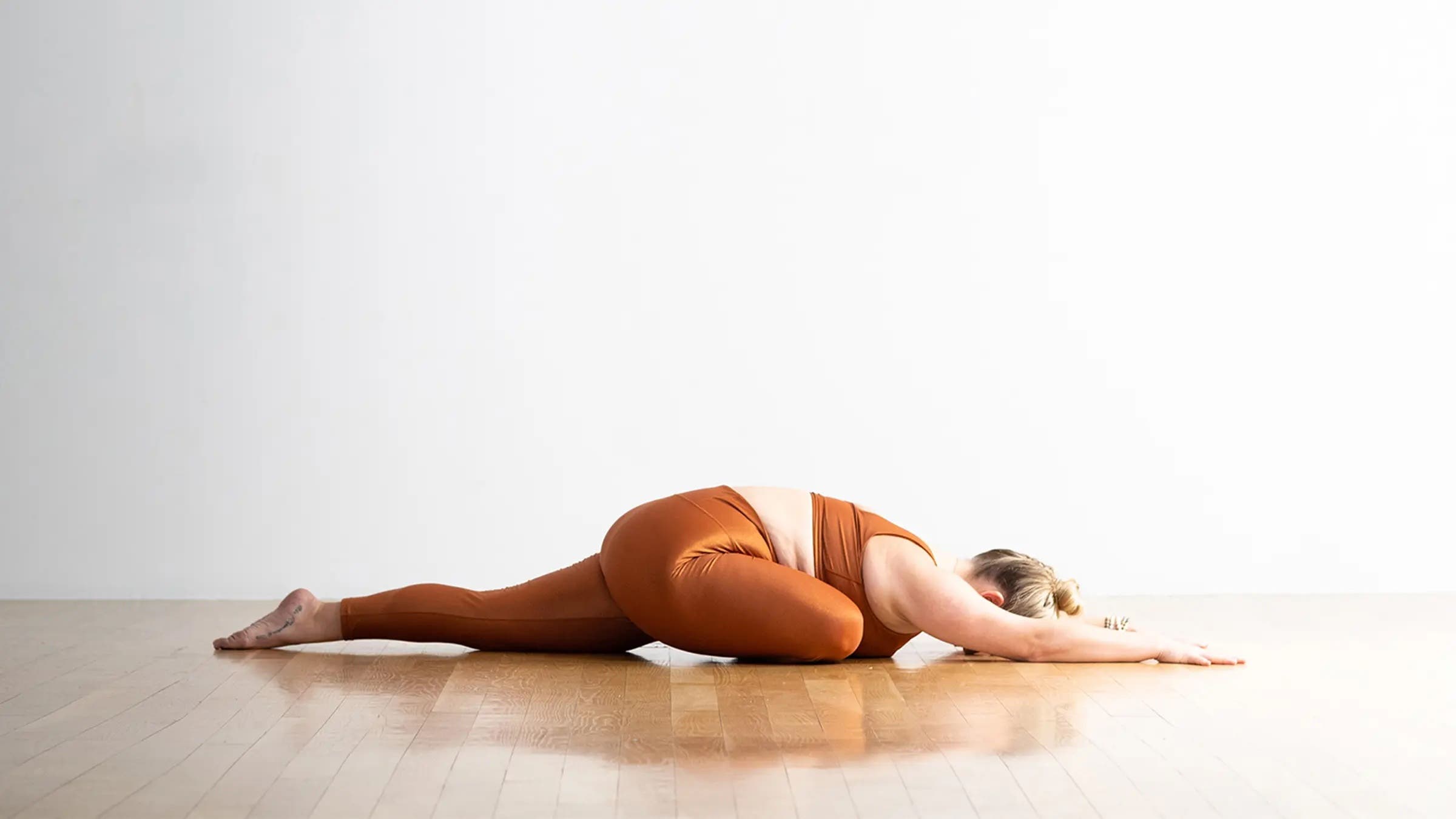
4. Pigeon Pose
Often referred to as the "junk drawer" of the body, the hips are said to store our most complex, unprocessed emotions. Pigeon Pose is an intense, deep-tissue opener. When held for three to five minutes, it forces the practitioner to sit with the discomfort. This intensity can act as an anchor, providing a physical sensation that helps ground the mind while the emotions wash through you. If the sensation becomes overwhelming, ease back—the goal is to breathe through the feeling, not to endure unnecessary pain.
5. Savasana (Corpse Pose)
Savasana is deceptively simple. It is the practice of doing nothing while being fully present. For those grieving, this is often the most difficult pose, as silence can be loud. However, lying prone allows for the integration of the work done in the previous poses. Know that the earth is beneath you, holding you, even when you feel you have nothing left to give.
Official Perspectives: Therapeutic Integration
Mental health professionals are increasingly advocating for the integration of yoga into grief counseling. Dr. Elena Vance, a clinical psychologist specializing in trauma, notes: "Traditional talk therapy addresses the narrative of grief, but it often misses the somatic imprint. When a patient adds a restorative movement component, they are creating a physical dialogue with their sorrow. It transforms the grief from a static, heavy weight into a flowing, manageable process."
While yoga is not a replacement for professional therapy or medical intervention, it acts as a powerful complement. It provides a sanctuary where the practitioner is the sole authority on their own experience.
Implications for Daily Life
The true value of this practice does not lie in the ability to hold a perfect pose, but in the lessons carried off the mat. When you learn to breathe through the intensity of a hip-opener, you are training your nervous system to remain regulated when life’s unexpected challenges arise.
When you feel that familiar fog of grief descending, remember: you do not have to "solve" the problem. You only need to breathe, to find support, and to allow your body the grace of movement. By honoring the physical experience of your grief, you are taking the first, most vital steps toward a life that—while changed—is once again navigable.
Be gentle with yourself. Find the support you need. The mat is always there to hold you.