




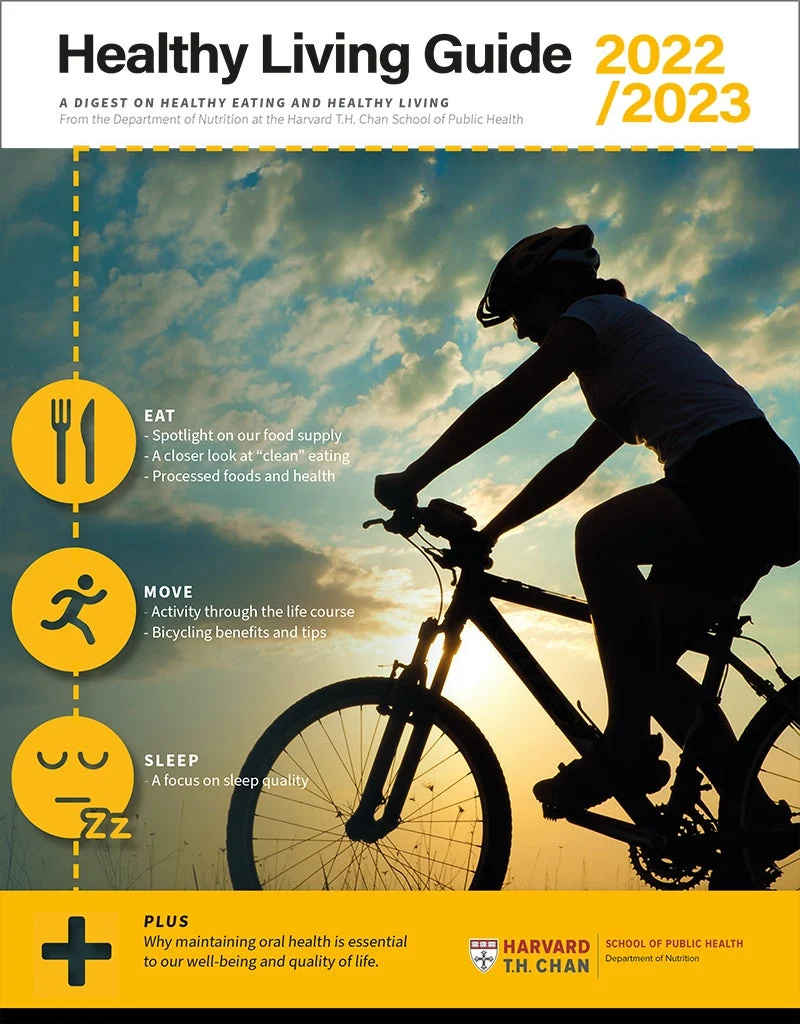
As the global community moves further into the 2020s, the discourse surrounding public health has shifted from a reactive stance to a proactive, systems-based approach. The year 2022 served as a pivotal turning point in this evolution, highlighted by a historic gathering in Washington D.C. that sought to address the systemic failures in food access and nutritional health. Today, as we digest the findings from the Harvard T.H. Chan School of Public Health’s latest Healthy Living Guide, it is clear that while policy progress is underway, the path toward a healthier, more sustainable future remains fraught with complexity.
The Main Facts: A Renewed National Focus
The cornerstone of the past year’s nutritional landscape was undoubtedly the White House Conference on Hunger, Nutrition, and Health. This event marked the first time the United States government had convened such a high-level summit on these interconnected issues since 1969.
The primary objective of this initiative is bold yet necessary: to eradicate hunger and significantly reduce diet-related diseases by the year 2030. The resulting national strategy is a multi-pronged document that emphasizes the expansion of nutrition assistance programs—such as SNAP (Supplemental Nutrition Assistance Program)—and proposes the integration of "medically tailored meals" into Medicare coverage. This recognition of food as a fundamental component of clinical medicine signifies a major paradigm shift in how the government perceives the intersection of insurance, healthcare, and nutrition.
However, despite the optimism surrounding these legislative goals, experts within the Department of Nutrition at Harvard have highlighted significant gaps. The strategy, while comprehensive in its breadth, has been critiqued for its lack of aggressive regulatory action regarding the food industry’s marketing practices, particularly those aimed at children, and its failure to adequately address the climate crisis as it pertains to our global food systems.
A Chronology of Policy and Progress
To understand the current state of nutrition, one must look at the timeline of events that led to the 2022 summit and the subsequent rollout of the Healthy Living Guide.
- 1969: The original White House Conference on Food, Nutrition, and Health takes place, laying the groundwork for the creation of major programs like WIC (Women, Infants, and Children).
- Early 2022: As the effects of the COVID-19 pandemic continue to expose vulnerabilities in the supply chain and health equity, momentum builds for a renewed federal focus on nutrition.
- September 2022: The White House Conference on Hunger, Nutrition, and Health is officially held. The Biden-Harris administration releases its National Strategy.
- Late 2022: Public health researchers and institutions, including Harvard’s T.H. Chan School of Public Health, analyze the strategy, noting both its strengths and its limitations.
- January 2023: The release of the Healthy Living Guide 2022-2023, providing the public with actionable advice based on the preceding year’s research and policy shifts.
This timeline reflects a slow but steady maturation of nutrition policy, moving from basic caloric sufficiency in the late 20th century to a modern focus on nutritional quality, equity, and sustainability.
Supporting Data: The Nutritional Imperative
The urgency for these policy shifts is backed by stark data. Diet-related conditions—including type 2 diabetes, obesity, hypertension, and certain cancers—remain the leading causes of death and disability in the United States.
According to public health data, the financial burden of these conditions is unsustainable. When the government spends billions on treating the symptoms of poor nutrition rather than investing in the accessibility of healthy, affordable, and nutrient-dense foods, the cycle of chronic disease continues unabated.
Furthermore, the "food environment"—the physical, social, and economic landscape that influences what people eat—is heavily skewed. For millions of Americans living in "food deserts," the most accessible options are ultra-processed, calorie-dense foods that offer little nutritional value. The Harvard Department of Nutrition emphasizes that changing individual behavior is only half the battle; without changing the environment that dictates choice, widespread public health improvements will remain elusive.
Official Responses and Expert Critique
The response from the scientific community has been one of "guarded optimism." In their analysis, Drs. Frank Hu, Walter Willett, and Lilian Cheung of the Harvard T.H. Chan School of Public Health noted that while the White House strategy is a commendable start, it lacks the "teeth" required for systemic change.
The core of their critique lies in the omission of aggressive measures against the food industry. They argue that protecting children from the predatory marketing of sugary beverages and ultra-processed snacks is essential. Without stricter oversight, the private sector’s influence on the dietary habits of the most vulnerable populations will continue to undermine public health efforts.
Moreover, the experts emphasize that the government must address the "planetary health" aspect of nutrition. As climate change disrupts agriculture, leading to fluctuating prices and nutrient density in staples, our food systems must become more resilient. The official stance from the Harvard team is that a truly successful national strategy requires a "whole-of-society" approach. This includes:
- Public-Private Partnerships: Engaging corporations to reduce sodium and sugar content in products.
- Philanthropic Involvement: Funding initiatives that bridge the gap between food banks and fresh produce distribution.
- Academic Rigor: Continually updating nutritional guidelines based on the latest clinical evidence.
Implications: Building a Healthier 2023 and Beyond
The implications of this discourse for the average citizen are significant. While policy at the federal level often feels abstract, it trickles down to local school lunches, the availability of produce in neighborhood stores, and the quality of food provided in hospitals.
The Role of Individual Agency
Despite the need for systemic change, the Healthy Living Guide reinforces the importance of individual agency. Small, sustainable changes are often more effective than drastic, short-term dietary overhauls. Whether it is increasing fiber intake, swapping sugary drinks for water, or incorporating more plant-based proteins into one’s weekly meal rotation, these micro-habits contribute to a cumulative positive health outcome.
The Sustainability Nexus
Perhaps the most critical implication of the current research is the inextricable link between the health of the individual and the health of the planet. Sustainable eating—which includes reducing meat consumption, minimizing food waste, and favoring local, seasonal produce—is no longer just an environmental concern; it is a health mandate. The food systems that support our personal biology are the same systems that must be protected from the degradation caused by climate change.
Accessibility and Equity
The ultimate goal of all these initiatives is equity. If healthy living remains a luxury item available only to those with higher socioeconomic status, the national strategy will have failed. Ensuring that every household, regardless of income, has access to affordable, nutrient-dense food is the defining challenge of this decade.
Conclusion: A Call to Action
As we move forward, the Healthy Living Guide 2022-2023 serves as a compass. It provides the tools necessary to navigate an increasingly complex food environment while reminding us that we are part of a larger, systemic effort.
To achieve the goals set by the 2022 White House Conference, we must demand policies that prioritize people over profits and sustainability over convenience. As Drs. Hu, Willett, and Cheung aptly noted, the administration must bring together all sectors of society to forge a future where nutritious food is not merely an option, but a universal right.
We encourage all readers to engage with the provided resources, test their nutritional knowledge, and adopt the evidence-based practices outlined in the guide. Every small change—whether it is supporting a local farmers’ market or advocating for better nutrition policies in your community—plays a role in the broader movement toward a healthier world.
Resources for Continued Learning
- Download the Printable Healthy Living Guide (PDF): Access tools, tips, and summaries designed to help you integrate healthier habits into your daily life.
- Engage with Online Articles: The Harvard T.H. Chan School of Public Health offers a deep repository of evidence-based articles that break down complex nutritional science into actionable advice.
- Test Your Knowledge: Review the "Healthy Living Knowledge" assessments to ensure your understanding of nutrition is grounded in the most current science.
The journey toward health is ongoing, and the year ahead offers a unique opportunity to turn awareness into action. By focusing on both personal habits and systemic advocacy, we can ensure that 2023 and the years to follow are defined by vitality, sustainability, and equity for all.