










For many, a diagnosis of Ehlers-Danlos Syndrome (EDS) is not a beginning, but a culmination—the end of a grueling, years-long odyssey through medical offices, misdiagnoses, and the haunting sensation that one’s body is failing in ways others cannot see. Once categorized as a "rare" medical curiosity, EDS is now recognized as significantly more prevalent, particularly when evaluated alongside Hypermobility Spectrum Disorders (HSD).
As the medical community slowly refines its understanding of these complex connective tissue disorders, patients are increasingly taking the lead in their own care. This article explores the clinical landscape of EDS, the challenges of diagnosis, and the multifaceted strategies for maintaining quality of life when living with a condition that affects the very glue holding the body together.
The Clinical Landscape: What is Ehlers-Danlos Syndrome?
Ehlers-Danlos Syndrome (EDS) is a group of 13 inherited disorders characterized by defects in the structure, production, or processing of collagen. Because collagen is the most abundant protein in the human body—providing structural integrity to skin, joints, blood vessels, and internal organs—the manifestations of EDS are systemic and deeply varied.
Subtypes and Severity
- Hypermobile EDS (hEDS): Accounting for approximately 90% of all cases, hEDS is the most common subtype. Despite its prevalence, it remains the only subtype for which a definitive genetic marker has not yet been identified.
- Classical EDS (cEDS) and Vascular EDS (vEDS): These represent the next most frequent presentations. vEDS, in particular, is considered the most serious, as it carries a higher risk of arterial, intestinal, or uterine rupture due to severe tissue fragility.
- Rare Subtypes: The remaining subtypes are defined by specific genetic mutations and are diagnosed with significantly lower frequency.
The Hypermobility Spectrum
Hypermobility Spectrum Disorder (HSD) serves as a diagnostic umbrella for patients who exhibit joint hypermobility and instability but do not meet the strict criteria for a specific EDS subtype. While the labels differ, the daily experience for those with HSD often mirrors that of the EDS community, characterized by chronic musculoskeletal pain, fatigue, and the need for specialized physical therapy.
A Chronology of Confusion: The Road to Diagnosis
For many patients, the path to an EDS diagnosis is marked by a "diagnostic delay" that can span decades. Ellen Lenox Smith, a long-time advocate for the chronic pain community, notes that she was diagnosed at age 54 with a condition she had lived with since birth.
Common Pitfalls in Identification
Medical literature frequently reports that EDS is misidentified as other conditions. Patients often spend years being treated for:
- Fibromyalgia or Myalgic Encephalomyelitis/Chronic Fatigue Syndrome (ME/CFS)
- Autoimmune diseases like Rheumatoid Arthritis or Lupus
- Psychiatric conditions, including erroneous labels such as Munchausen syndrome, due to the "invisible" nature of the symptoms.
The complexity is compounded by the fact that EDS is a systemic condition. It is not uncommon for a patient to have EDS in addition to other comorbidities, such as Postural Orthostatic Tachycardia Syndrome (POTS), Mast Cell Activation Syndrome (MCAS), or craniocervical instability.
The Diagnostic Process
Obtaining a formal diagnosis generally requires a geneticist or a specialist familiar with connective tissue pathologies. While genetic testing can confirm most subtypes, the diagnosis of hEDS remains a clinical one, relying on a standardized checklist of symptoms, physical examinations, and a thorough review of family history. However, researchers at the National Institutes of Health (NIH) emphasize that the absence of family history does not rule out the condition, as spontaneous mutations occur.
Supporting Data: The Impact of Systemic Collagen Defects
The clinical manifestations of EDS are widespread. Because collagen is ubiquitous, the complications are equally diverse.
- Musculoskeletal: Chronic, early-onset joint pain, frequent dislocations (luxations) or partial dislocations (subluxations), and spinal deformities such as scoliosis or cervical instability.
- Dermatological: Skin that is soft, velvety, or hyper-elastic, and prone to abnormal scarring.
- Cardiovascular: Mitral valve prolapse and dysautonomia, particularly POTS, which manifests as an abnormal increase in heart rate upon standing.
- Gastrointestinal: A high prevalence of irritable bowel syndrome (IBS) and other functional motility disorders.
Implications: Managing Life with EDS
Living with a chronic, multisystemic condition requires a proactive, multidisciplinary approach. While there is no current "cure" for EDS, quality of life can be significantly improved through targeted management.
Maintaining Physical Activity
While the fatigue associated with EDS can be debilitating, complete inactivity is counterproductive. Strong muscles are essential to compensate for "loose" ligaments.
- The Muldowney Protocol: Many clinicians point to this specific physical therapy framework, which focuses on stabilizing the pelvis and building muscle support from the ground up, as a gold standard for hEDS patients.
- Low-Impact Exercise: Stationary cycling, swimming, and controlled walking are often recommended to maintain cardiovascular health without excessive joint strain.
Cardiovascular and Orthopedic Interventions
- Managing Blood Pressure: For those dealing with dysautonomia, increasing fluid and electrolyte intake (under medical supervision) can assist in stabilizing heart rate and blood pressure.
- Orthotics: Arch supports are frequently necessary to combat the flat feet (pes planus) often seen in EDS patients.
- Surgical Caution: Surgeons should be cautioned regarding the patient’s collagen fragility. In cases where reconstruction is necessary, some experts advocate for the use of cadaveric tendons rather than the patient’s own weakened tissues to ensure better surgical outcomes.
Inflammation and Environment
Patients often find that their symptoms flare in response to environmental triggers. Managing inflammation often involves:
- Dietary Awareness: Identifying food sensitivities that trigger mast cell responses or systemic inflammation.
- Environmental Control: Minimizing exposure to common allergens that exacerbate symptoms.
Caring for the Mind and Spirit
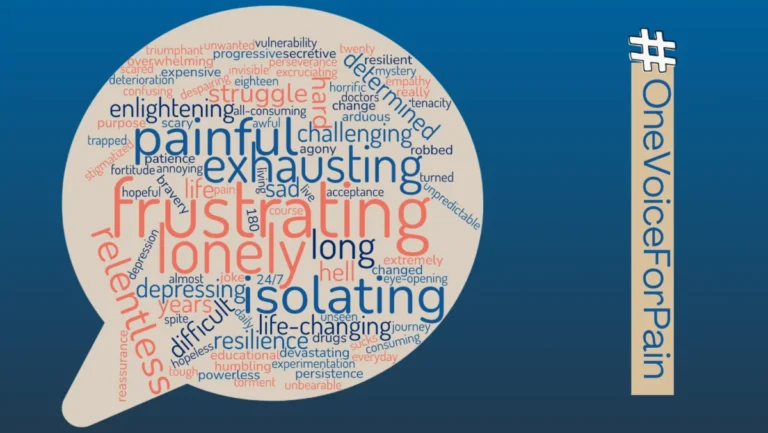
The psychological burden of a chronic, invisible illness is profound. The transition from "healthy" to "chronically ill" requires a period of grieving for the life that was expected.
Cultivating Resilience
- Proactive Engagement: Keeping the mind sharp through reading, learning new skills, or engaging in hobbies can help maintain a sense of purpose.
- Combatting Isolation: EDS often leads to the erosion of social circles. Finding community—whether through local support groups or verified online platforms—is vital. Connecting with others who understand the nuances of chronic pain reduces the burden of having to "explain" one’s reality to those who do not share it.
- Gratitude and Perspective: While it may seem simplistic, the daily practice of identifying small joys and expressions of gratitude is a recognized psychological tool for maintaining emotional stability during physical hardship.
Official Responses and the Future of Care
The medical community is in a state of catch-up. Organizations like the Ehlers-Danlos Society are working to standardize diagnostic criteria and educate providers worldwide. The shift in the last decade has been toward "patient-centered care," where the patient is viewed as an active partner in their medical journey.
For the newly diagnosed, the advice remains clear: Document, advocate, and connect.
- Document: Keep a detailed log of symptoms, triggers, and past medical responses.
- Advocate: Do not be afraid to seek second opinions if a provider is dismissive. The "invisible" nature of the condition does not make the pain any less real.
- Connect: Lean on the community. Sharing strategies—from the best types of braces to specific dietary adjustments—can save others years of trial and error.
A Note on Medical Information
Disclaimer: The information provided in this article is for educational purposes only and does not constitute professional medical advice, diagnosis, or treatment. Always seek the advice of a physician or other qualified health provider with any questions regarding a medical condition. The experiences shared herein are personal and do not necessarily reflect the official position of medical institutions or non-profit organizations.
As we observe Ehlers-Danlos and Hypermobility Spectrum Disorders Awareness Month, the focus remains on transforming the landscape for those living with these conditions. Through shared knowledge, increased research, and a commitment to advocacy, we can ensure that the next generation of patients does not have to wait decades for an answer. You are not alone, and with the right resources and a dedicated medical team, it is possible to build a life of quality, purpose, and hope.