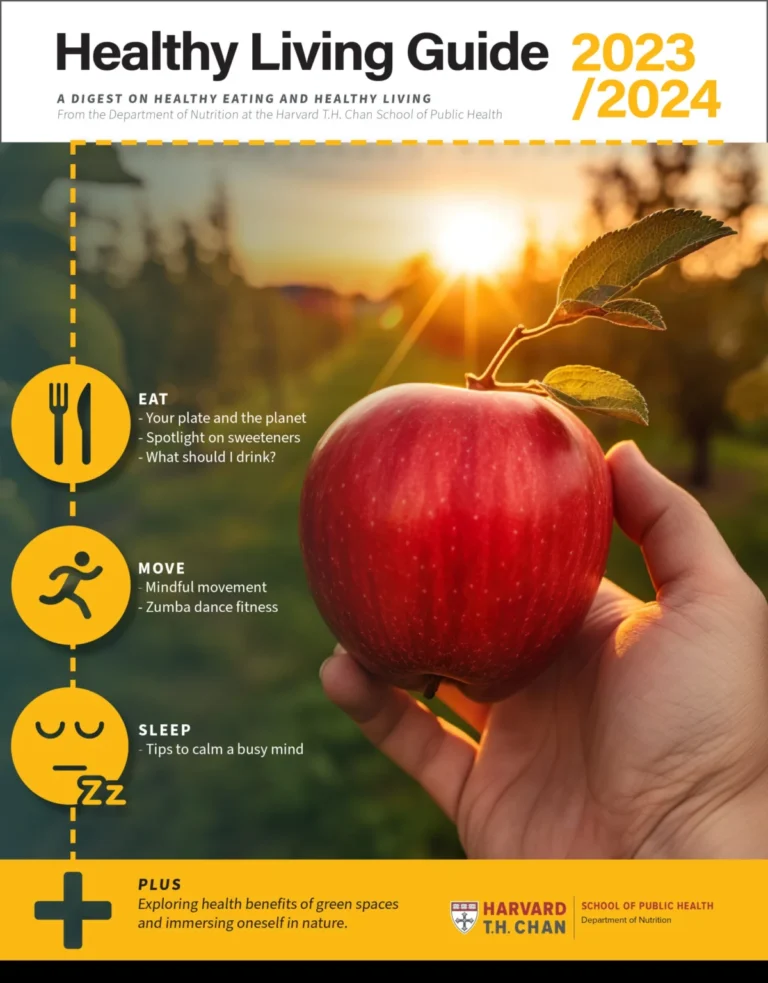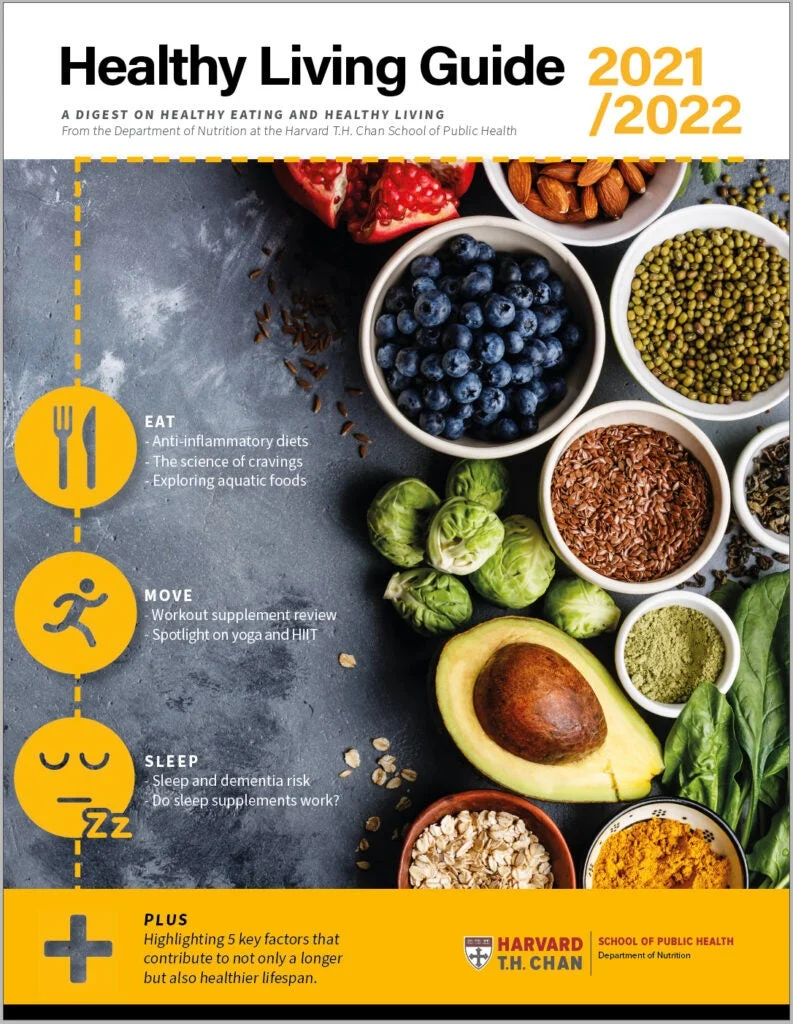
As we move further away from the initial shock of the global pandemic, society finds itself in a state of complex transition. The "new normal" is no longer a static concept but a fluid evolution—a hybrid existence that blends the restoration of pre-2020 routines with the lingering, and often beneficial, habits forged during the depths of lockdown. However, this transition period has brought to light significant shifts in how we approach nutrition, physical activity, and overall health. To support the public in this ongoing journey, the Harvard T.H. Chan School of Public Health has released its latest Healthy Living Guide, a comprehensive resource designed to provide evidence-based strategies for maintaining well-being in an unpredictable world.
Main Facts: The Evolution of Consumer Health Behaviors
The past year has been characterized by a distinct "correction" in consumer behavior. Data indicates that the extreme shifts necessitated by the initial 2020 lockdowns—such as stress-induced snacking and a massive surge in home cooking—have begun to taper off.
According to the International Food Information Council’s (IFIC) 2021 Food & Health Survey, the "impulse" behaviors of the early pandemic have waned. Specifically, the percentage of Americans reporting that they were "snacking more" dropped from 32% in 2020 to 18% in 2021. Similarly, the number of individuals reporting that they were "eating more in general" fell from 20% to 11%.
While these statistics might suggest a return to moderation, they are balanced by a concerning trend: a decrease in home cooking. After a year where the kitchen became the center of the household, the return to office life and external social obligations saw home cooking rates dip from 60% in 2020 to 47% in 2021. This shift underscores the challenge of maintaining the healthy, intentional eating habits formed during quarantine as the pace of daily life accelerates once more.
Chronology: A Timeline of Pandemic-Era Health Shifts
To understand our current health status, it is essential to trace the arc of the last 24 months:
- Early 2020 (The Lockdown Phase): Sudden closure of restaurants and gyms forced a radical change in diet and exercise. Household food preparation spiked, while sedentary behavior increased due to work-from-home mandates.
- Late 2020 (The Adaptation Phase): Consumers began integrating digital fitness tools and batch cooking into their routines. Public awareness of the link between nutrition and immune support reached an all-time high.
- 2021 (The "New Normal" Phase): A year of flux. Vaccines became available, allowing for a partial return to public life. Surveys reflected a "cooling off" period where consumers began to shed the acute habits of the previous year, though economic disparities in food security became increasingly visible.
- 2022 and Beyond: The focus has shifted toward long-term sustainability. The challenge now is to retain the positive nutritional habits developed during the pandemic while navigating the stress of a globally recovering society.
Supporting Data: Nutrition, Security, and Global Health
The Healthy Living Guide does not merely offer tips; it situates individual health choices within a broader global context. The data provided by public health institutions highlights a persistent divide in food security. While some segments of the population were able to prioritize "clean eating" and dietary improvements, a significant portion of the population faced increased financial strain, leading to higher reliance on ultra-processed, shelf-stable, and less nutritious foods.
Furthermore, the document emphasizes that healthy living is inextricably linked to the global effort to end the COVID-19 pandemic. The emergence of new variants serves as a constant, sobering reminder that individual wellness is not an isolated endeavor. The document underscores the urgent need for equitable vaccine access, particularly in low- and lower-middle-income countries. Global health is, by definition, the sum of individual and community health; without widespread vaccination, the stability required for long-term health and wellness remains elusive for the global population.
Official Responses: The Philosophy of the Harvard Healthy Living Guide
The experts behind the Healthy Living Guide advocate for a return to "core themes"—the foundational pillars of wellness that remain effective regardless of external circumstances. These include:
- Intentional Nutrition: Moving away from the "panic-buying" or "stress-eating" cycles of the past and toward a sustainable, nutrient-dense diet that emphasizes whole foods.
- Physical Activity as an Anchor: Recognizing that exercise is not just about physical aesthetics but is a primary tool for mental health regulation and stress management.
- The Role of Sleep: Acknowledging that the disruption of circadian rhythms during the pandemic has had long-term impacts on immune function and metabolic health.
"As we navigate the twists and turns of this pandemic," the guide notes, "we invite you to incorporate healthy behaviors into your daily life." The approach is not one of rigid prescription but of flexible guidance, encouraging individuals to test their own knowledge and adapt their habits based on the latest peer-reviewed research.
Implications: The Future of Holistic Wellness
The implications of these trends are significant for both public policy and individual health. If the decrease in home cooking is a permanent shift, public health advocates must pivot their focus toward improving the nutritional landscape of restaurant and fast-casual food options.
Moreover, the "New Normal" requires a recalibration of mental health support. The psychological toll of the pandemic has changed how we view self-care. It is no longer viewed as a luxury but as a necessary survival mechanism. The inclusion of "Healthy Living Knowledge" tests within the guide highlights an emphasis on health literacy—the idea that if individuals understand the why behind nutrition, they are more likely to make sustainable choices.
How to Utilize the New Resources
The 2022 Healthy Living Guide is designed as an interactive, printable tool. It features:
- Tip Sheets: Practical, at-a-glance advice for busy professionals and families.
- Research Summaries: Distilled versions of complex nutritional studies, making high-level science accessible to the layperson.
- Knowledge Assessments: Interactive quizzes designed to help readers identify gaps in their health habits.
For those looking to catch up on previous years, the archive of the 2020-2021 guide remains available, offering a vital look at how far we have come in our collective understanding of pandemic-era health.
Conclusion: A Call to Action for 2022 and Beyond
The transition to a post-pandemic society is not a destination but a process. The data suggests that while we are moving away from the extreme behaviors of the early lockdown, we have also lost some of the healthy habits we worked hard to build. The mission for the coming year is to reclaim that intentionality.
Whether it is by choosing to cook at home one extra night a week, prioritizing sleep as a non-negotiable health pillar, or engaging with community-based nutrition initiatives, individual action remains the most potent tool we have. By staying informed and remaining committed to the principles of evidence-based wellness, we can emerge from this period not just as survivors, but as individuals better equipped to manage our long-term health.
To download the printable Healthy Living Guide or to explore the full library of online articles, please visit the official Harvard Nutrition Source website. As we look toward the future, remember that the most sustainable health changes are those that are built, one day at a time, on the foundation of sound science and consistent practice.