For decades, the Mediterranean diet has been the gold standard of nutritional science, consistently linked to longer lifespans, reduced cardiovascular risk, and sharper cognitive function. Yet, while the health outcomes were clear, the precise biological "why" remained elusive. A groundbreaking study led by researchers at the USC Leonard Davis School of Gerontology has finally pierced this veil, revealing that the Mediterranean diet may influence human aging through an unexpected biological pathway involving tiny proteins—known as microproteins—produced deep within our mitochondria.
Main Facts: The Discovery of Mitochondrial Messengers
Mitochondria are often referred to as the "powerhouses of the cell," famous for generating the energy required for life. However, recent scientific inquiry has repositioned these ancient organelles as sophisticated command centers that release chemical signals to regulate metabolism, manage inflammation, and orchestrate the body’s response to stress.
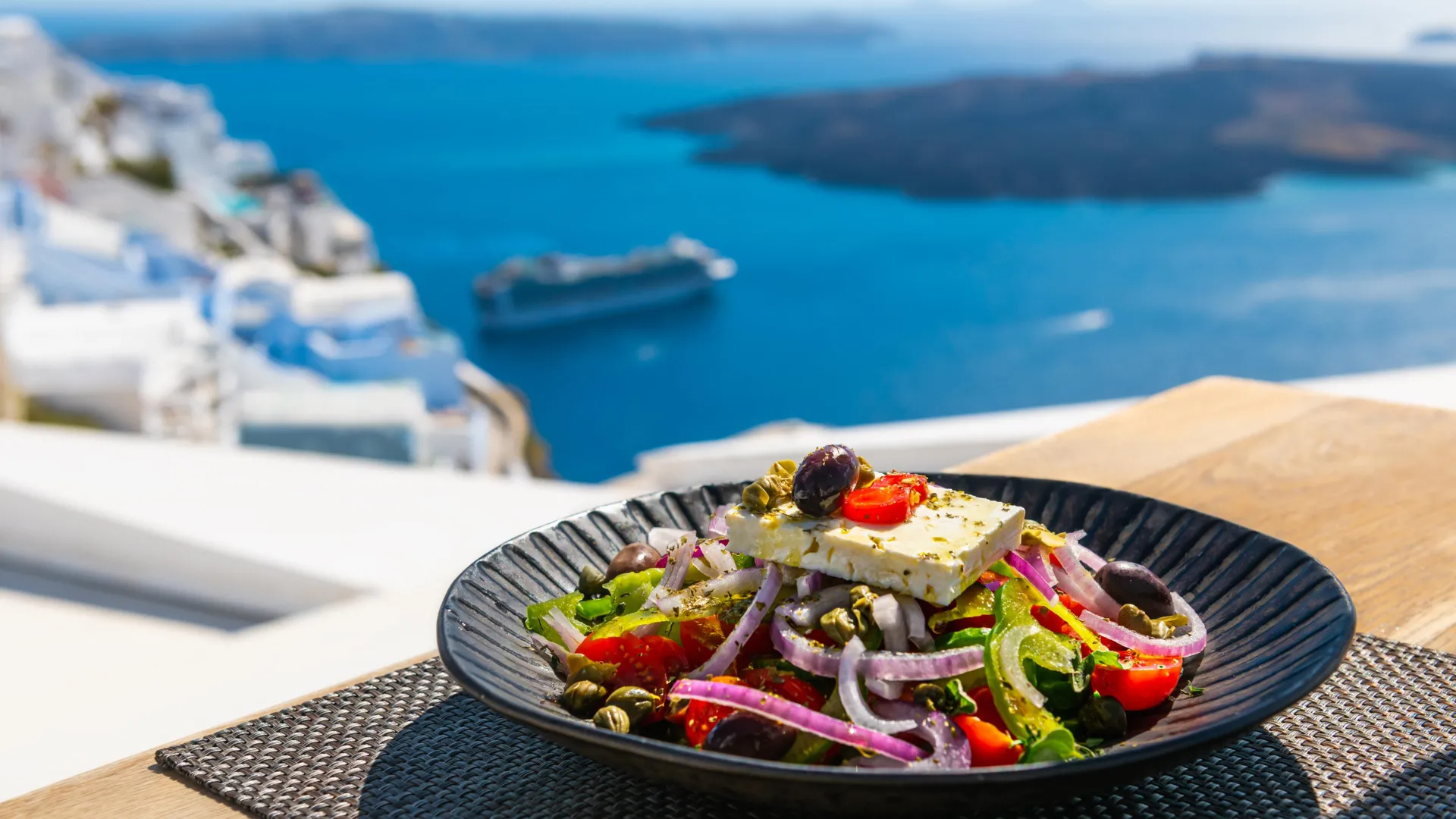
The study, led by Roberto Vicinanza, an instructional associate professor of gerontology at USC, reveals that older adults who adhere strictly to a Mediterranean-style eating pattern—rich in olive oil, fish, legumes, and whole grains, while low in refined carbohydrates—exhibit significantly higher levels of two specific mitochondrial microproteins: humanin and SHMOOSE.
These microproteins act as "molecular messengers," effectively translating the quality of our nutrition into instructions for how our cells function and, ultimately, how they age. This discovery provides a long-sought biological link between the dietary habits long championed in Mediterranean cultures and the cellular resilience observed in those who practice them.
Chronology: Two Decades of Pioneering Research
The journey to this discovery spans more than 20 years of research led by Pinchas Cohen, Dean of the USC Leonard Davis School and the study’s senior author.
- 2003: Dr. Cohen and his colleagues first identified humanin, a peptide encoded by the mitochondrial genome. At the time, it was revolutionary to suggest that mitochondria—which carry their own genetic material inherited separately from the cell’s nucleus—could produce functional proteins.
- The Interim Years: Research steadily connected humanin to improved insulin sensitivity, cardiovascular protection, and the preservation of cognitive function. Cohen’s lab later identified SHMOOSE (Small Human Mitochondrial ORF Over SErine tRNA), a microprotein that appears to shield neurons from the damage caused by amyloid, a protein associated with Alzheimer’s disease.
- March 9, 2026: The current findings were officially published in Frontiers in Nutrition, bridging the gap between historical dietary traditions and modern molecular biology. The study examined blood samples from older adults to correlate dietary adherence with specific microprotein concentrations.
Supporting Data: Nutrition as Molecular Signaling
The researchers found a clear correlation between the "Mediterranean score" of a participant’s diet and the concentration of these microproteins in their bloodstream.
The Mediterranean Advantage
Participants with the highest adherence to the Mediterranean diet demonstrated significantly higher concentrations of humanin and SHMOOSE. Furthermore, these individuals showed lower indicators of oxidative stress. Oxidative stress occurs when reactive oxygen species (ROS)—unstable molecules—overwhelm the body’s natural defense systems. When left unchecked, this process damages proteins, lipids, and DNA, serving as a primary driver of chronic illness and the aging process itself.
Component-Specific Benefits
The study parsed out how different food groups contribute to this biological boost:
- Humanin Levels: Strongly associated with higher consumption of olive oil, fish, and legumes.
- SHMOOSE Levels: Directly linked to higher olive oil intake and, conversely, a reduction in refined carbohydrates—the "empty" calories found in white bread, pastries, and sugary processed foods.
The Nox2 Connection
A key highlight of the study is the relationship between humanin and an enzyme called Nox2. Nox2 is a major producer of reactive oxygen species. The data showed that higher levels of humanin were associated with lower Nox2 activity. This suggests that humanin acts as a natural "brake" on the production of damaging molecules, providing a secondary layer of cardiovascular protection beyond the diet’s well-known anti-inflammatory effects.
Official Responses and Expert Insight
The research team views these findings as a pivot point for geriatric science.
"These microproteins may act as molecular messengers that translate what we eat into how our cells function and age," says Roberto Vicinanza. "It’s a new biological pathway that helps explain why the Mediterranean diet is so powerful."
Pinchas Cohen emphasizes the clinical potential of the discovery: "These findings suggest that specific components of the Mediterranean diet may directly influence mitochondrial biology. Humanin and SHMOOSE could serve as biomarkers for adherence to the Mediterranean diet and have clinical significance."
A biomarker is a measurable indicator of a biological state. In this case, clinicians could eventually use blood tests for humanin and SHMOOSE to determine how effectively a patient’s body is responding to a dietary intervention, moving medicine toward a more personalized, data-driven approach.
Implications: Precision Nutrition and Global Health
The implications of this research are twofold: they offer a roadmap for the future of "precision nutrition" and underscore the global importance of preserving traditional eating habits.
Moving Toward Precision Nutrition
Current nutrition advice is often broad and generalized. The discovery of these microproteins offers a path toward a more nuanced, individualized approach. By measuring how a person’s mitochondrial microprotein levels respond to specific dietary changes, researchers could design personalized nutrition plans that optimize the body’s internal, age-defying mechanisms. Future studies will be essential to determine causality—whether increasing these peptides directly reduces the risk of disease—but the current observational data provides a strong foundation for clinical trials.
The Cultural and Environmental Nexus
Beyond the laboratory, the researchers are advocating for the preservation of the Mediterranean lifestyle as a whole. Vicinanza has been actively working with the Municipality of Pollica, Italy, to champion the International Day of the Mediterranean Diet, observed annually on November 16.
This global initiative seeks to promote the diet not just as a health intervention, but as a model for environmental sustainability and cultural heritage. The researchers posit that the Mediterranean diet, which relies on minimally processed, locally sourced foods, represents the dietary environment to which our mitochondria—which evolved over a billion years ago—are best adapted. By moving away from ultra-processed, modern diets, we may be aligning our current intake with our ancient biological needs.
Limitations and Future Directions
While the study represents a significant leap forward, the authors are careful to note its observational nature. While they identified a link between diet and microproteins, other factors such as physical activity, genetics, and socioeconomic variables could influence these levels.
"Our goal is to move from observing associations to understanding causality," Vicinanza concludes. "If we can harness these pathways, we may be able to design nutritional strategies that promote healthy aging at the molecular level."
As science continues to peel back the layers of the human genome and the complex machinery of the mitochondria, the Mediterranean diet stands out not just as a collection of recipes, but as a potent biological tool. It is a rare convergence where ancient tradition meets cutting-edge molecular science, offering a promising vision for a future where aging can be managed, and perhaps even moderated, through the simple act of choosing what we put on our plates.