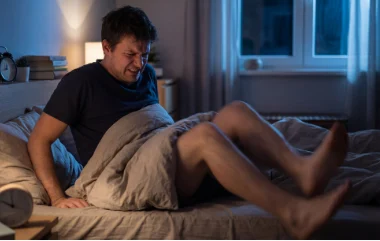












For millions of people worldwide, the transition from day to night is not a relief, but a source of profound anxiety. Chronic insomnia—a condition characterized by persistent difficulty falling or staying asleep—affects a vast segment of the global population, leading to significant impacts on cognitive function, emotional stability, and long-term physical health.
To address this growing public health concern, the American Academy of Sleep Medicine (AASM) and the Society of Behavioral Sleep Medicine (SBSM) recently hosted their annual Insomnia Awareness Night. This initiative aims to demystify sleep disorders and provide evidence-based pathways to recovery. As part of this year’s campaign, a panel of renowned sleep scientists took to the popular forum Reddit to host a live “Ask Me Anything” (AMA) session, offering a rare, direct line of communication between the public and the leading minds in sleep medicine.
The Experts Behind the Answers
The panel featured four distinguished PhD-level experts: Spencer Dawson, Sarah Honaker, Monica Kelly, and Jennifer Martin. Collectively, these researchers have dedicated their careers to understanding the neurobiology of sleep, the psychology of behavioral health, and the clinical interventions that can reverse the cycle of sleeplessness.
During the session, the experts tackled a wide array of questions, ranging from the efficacy of modern sleep-tracking technology to the complex debate surrounding natural supplements. This article explores the core insights gleaned from the session, providing a roadmap for those seeking better rest.
The Reality of Sleep Debt: Can You Really "Catch Up"?
One of the most persistent myths in modern wellness culture is the concept of "sleep banking." People often operate on a deficit during the work week, believing that a weekend of extended slumber will balance the scales.
Dr. Jennifer Martin addressed this concern directly, noting a nuanced reality. While there is some evidence that extra rest on weekends is marginally better than total deprivation, it is by no means a cure-all. "Yes and no," Dr. Martin explained. "Some studies show that catching up on sleep on weekends is better than not catching up at all. However, getting seven or more hours of sleep on a regular basis is best for long-term health and well-being."
The implication is clear: consistency is the primary driver of biological health. Irregular sleep patterns, often referred to as "social jet lag," can disrupt the body’s internal circadian rhythm, making it harder to initiate sleep on Sunday nights and perpetuating the cycle of weekday fatigue.
Tech-Driven Sleep Tracking: Helpful Tool or Source of Stress?
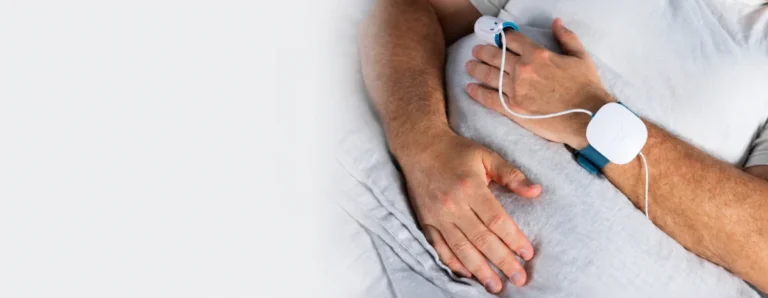
In the age of wearable tech, millions of individuals wake up every morning to a dashboard of data provided by their smartwatches. These devices track heart rate, blood oxygen levels, and movement patterns to estimate the quality of one’s sleep. But does this data actually help us sleep better?
Dr. Sarah Honaker highlighted the "double-edged sword" nature of sleep trackers. "Tracking sleep over time using a device such as an Apple Watch can be helpful, particularly if it motivates you to change a sleep-related behavior, such as going to bed at the same time each night," she noted.
However, Dr. Honaker warned against "orthosomnia"—a preoccupation with achieving "perfect" sleep data. "It’s important to recognize that these devices may not be fully accurate. In some cases, sleep tracking can make sleep worse by causing stress or anxiety about sleep. The most important indicator is how you feel the next day." In essence, if the data causes you to panic about your lack of deep sleep, it is likely doing more harm than good.
The Supplement Trap: Navigating THC and Melatonin
Perhaps the most common question in the modern sleep landscape concerns pharmacological and herbal aids. With the market flooded with melatonin, CBD, THC, and various herbal blends, consumers are often confused about what is safe and effective.
Dr. Jennifer Martin provided a sobering assessment of the industry. "The number of sleep supplements on the market is growing faster than the scientific evidence supporting them," she stated. "It’s almost impossible to know what works and what may be a placebo effect."
Regarding the specific inquiry about microdosing THC (1 mg) and taking melatonin (1–2 mg), Dr. Martin cautioned that the scientific literature remains thin. "There aren’t any high-quality studies showing whether THC microdoses are effective or safe for insomnia," she explained. Furthermore, while melatonin is a hormone that regulates the sleep-wake cycle, it is frequently misused. "Melatonin can be used to treat some sleep disorders, but it is most effective for conditions related to sleep timing, such as jet lag, rather than chronic insomnia."
For those struggling with clinical insomnia—defined as difficulty sleeping that occurs at least three times per week and persists for more than three months—Dr. Martin emphasized that the "gold standard" of treatment is Cognitive Behavioral Therapy for Insomnia (CBT-I), a structured program that helps individuals replace thoughts and behaviors that cause sleep problems with habits that promote sound sleep.
Exploring Alternative Modalities: Binaural Beats
Beyond supplements, many people turn to sound therapy. A user asked about "binaural beats"—an auditory illusion perceived when two different pure-tone sine waves are presented to each ear—and whether they are a proven sleep aid.
Dr. Spencer Dawson offered a balanced perspective. "There hasn’t been much high-quality research on binaural beats for sleep," he admitted. However, he acknowledged their potential utility as a psychological tool. "If binaural beats work as suggested, they may help induce a calmer brain state. Even if they don’t work in that way, they may serve as a pleasant and relaxing distraction. This is somewhat similar to listening to a podcast or audiobook while falling asleep."
The Medical Mystery: Addressing Hyperarousal and Early Waking
The AMA session also touched on more severe clinical issues, such as chronic hyperarousal and early morning awakenings. One user, suffering from frequent "arousals" every two minutes, expressed profound exhaustion.
Dr. Martin’s advice for such cases was urgent: professional medical intervention is non-negotiable. "Frequent arousals during sleep can be a sign of a sleep disorder. Talk to the healthcare professional who conducted your sleep study and discuss possible causes. If you have not yet seen a sleep medicine specialist, ask for a referral."
For those who wake up at 4:00 or 4:30 a.m. and find themselves unable to return to sleep, Dr. Dawson offered behavioral strategies. Early morning awakenings are often tied to circadian phase shifts, anxiety, or underlying conditions like sleep apnea. "If you want to be able to sleep later, we recommend that you don’t start your day until the time you want to be awake," he advised. "Giving yourself an opportunity to fall back asleep can help, as long as you don’t force it."
Forcing sleep, Dr. Dawson noted, is often counterproductive. The anxiety generated by "trying" to sleep creates an alert state that prevents the brain from drifting back into a restful cycle.
Implications: The Path Toward Evidence-Based Rest
The Reddit AMA serves as a critical reminder that sleep is not merely a "luxury" or a "switch" we can flip; it is a complex biological process that requires consistency, the right environment, and occasionally, evidence-based therapy.
The overarching theme of the expert panel was one of empowerment through education. By moving away from reliance on unproven supplements and anxiety-inducing trackers, and moving toward established therapies like CBT-I and professional medical consultation, individuals can regain control over their sleep health.
As the American Academy of Sleep Medicine continues its mission through initiatives like Insomnia Awareness Night, the public is encouraged to view sleep not as a problem to be "fixed" with a quick-fix pill, but as a pillar of health to be cultivated through intentional, informed lifestyle changes.
If you or a loved one are struggling with sleep, the experts recommend starting with a consultation with a primary care physician, who can then provide referrals to specialists capable of performing comprehensive sleep studies. The goal is to stop the cycle of exhaustion and move toward a life where restorative sleep is the standard, not the exception.
For more information on sleep health and to review the full transcript of the Reddit AMA, visit the official AASM sleep education portal.