











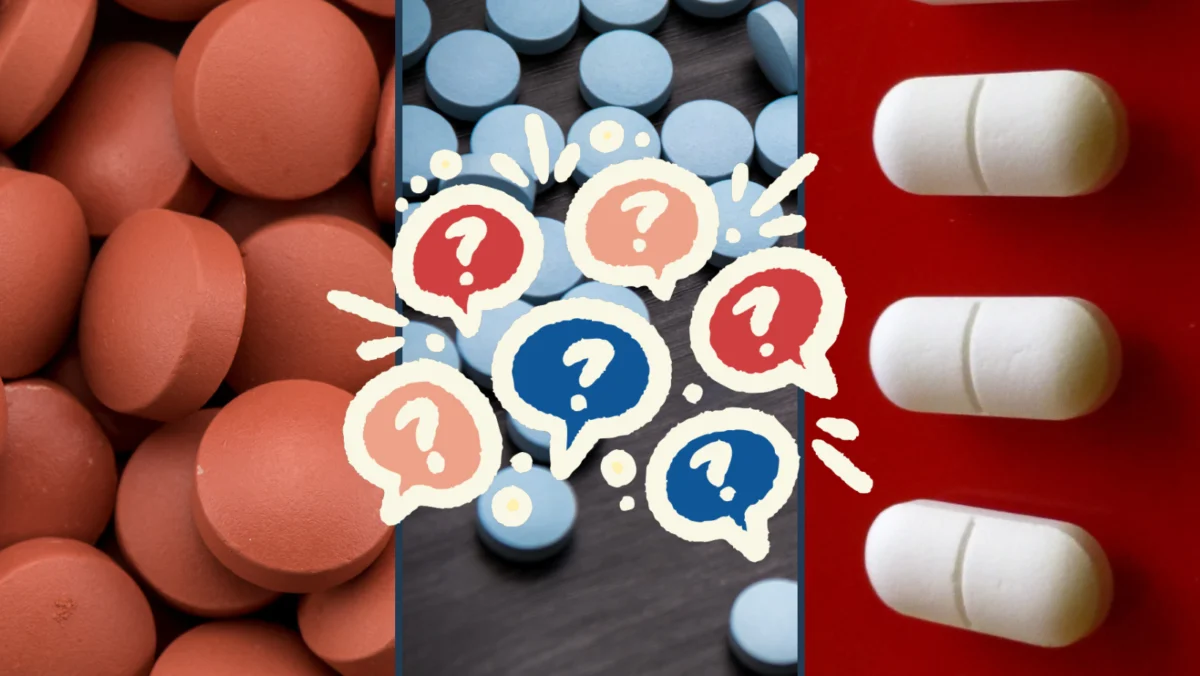
Walking down the analgesic aisle of a modern pharmacy can be an overwhelming experience. Faced with a dizzying array of neon-packaged bottles, colorful gels, and medicated patches, the average consumer is confronted with a landscape of competing claims. From the household reliability of Tylenol to the specialized promises of Excedrin and the localized relief of topical diclofenac, the sheer volume of choices can feel paralyzing—especially for the millions of Americans living with chronic pain.
For these individuals, the pharmacy is not merely a place to shop; it is a frontline of defense. However, reliance on brand recognition is often a flawed strategy. Understanding the science behind these medications—what they are, how they function, and the risks they carry—is the essential first step toward effective pain management.
The Foundation: Understanding Acetaminophen vs. NSAIDs
To make informed choices, one must first distinguish between the two primary pillars of over-the-counter (OTC) pain relief: acetaminophen and nonsteroidal anti-inflammatory drugs (NSAIDs). According to the U.S. Pain Foundation’s 2026 OTC pain survey, nearly 16% of respondents incorrectly identify acetaminophen as an NSAID. This confusion is not merely semantic; it carries significant safety implications.
Acetaminophen: The Fever and Discomfort Specialist
Acetaminophen (best known by the brand name Tylenol) is a versatile analgesic used primarily for headaches, muscle aches, and fever reduction. Its mechanism of action is distinct; it operates largely within the central nervous system to elevate the body’s pain threshold. Crucially, acetaminophen possesses little to no anti-inflammatory properties. For conditions where swelling or tissue inflammation is the primary driver of pain, acetaminophen may provide only superficial relief.
NSAIDs: Targeting Inflammation
In contrast, NSAIDs—a category that includes ibuprofen (Advil, Motrin) and naproxen sodium (Aleve)—are designed to inhibit specific enzymes (COX-1 and COX-2) that produce prostaglandins, the chemicals responsible for inflammation and pain signaling. Because they address the biological root of swelling, they are often the preferred choice for menstrual cramps, arthritis, and sports-related injuries.
The distinction is vital: if a patient mistakenly assumes acetaminophen reduces inflammation, they may spend weeks treating a joint injury with a medication that, while safe for the liver, does nothing to address the underlying inflammatory process.
Chronology of Relief: The Speed vs. Duration Trade-off
When selecting between ibuprofen and naproxen sodium, consumers are often choosing between two different clinical profiles.
Ibuprofen is characterized by its relatively rapid onset, typically requiring administration every four to six hours. It is an "on-demand" medication, suitable for acute, short-term pain spikes. Naproxen sodium, however, follows a different rhythm. It generally takes longer to reach peak efficacy in the bloodstream, but its duration of action is significantly longer, often providing relief for eight to 12 hours.
This creates a nuanced decision matrix. If a patient requires rapid intervention for an acute headache, ibuprofen may be superior. If a patient is managing chronic, low-grade back pain that requires consistent coverage throughout the workday, naproxen’s longer half-life may offer a more stable therapeutic experience. Importantly, because both are NSAIDs, they should never be combined. The synergy is non-existent, but the risk of gastrointestinal bleeding and renal strain is compounded exponentially.
The Expanding Frontier: Beyond the Oral Pill
The landscape of pain management has evolved far beyond standard oral tablets. Aspirin, a foundational NSAID, remains in use but requires caution. As a potent blood thinner, it is often contraindicated for those with bleeding disorders or those already on anticoagulant therapy.
Furthermore, we are seeing a shift toward localized, topical delivery systems. Diclofenac sodium, for example, is an NSAID formulated as a gel (such as Voltaren). When applied to specific joints—the hands or knees—it delivers medication directly to the site of inflammation. Unlike cooling gels that provide a sensory distraction via menthol or camphor, topical NSAIDs are pharmacological treatments. They require consistent, daily application over several days to accumulate enough concentration in the tissue to suppress inflammation.
Conversely, products like lidocaine patches or capsaicin creams function by modulating nerve signals. These are invaluable for localized, superficial pain, but they do not treat systemic inflammation. Consumers must remain vigilant: the "Tylenol" brand now extends to topical products containing lidocaine or menthol, which contain zero acetaminophen. Relying on the brand name rather than the active ingredient label is a recipe for medication error.
Supporting Data and Clinical Realities
The U.S. Pain Foundation’s 2026 findings highlight a critical gap in health literacy. Patients often conflate "stronger" with "faster-acting" or "longer-lasting." In reality, the efficacy of an OTC drug is highly individualized. A 2026 report underscored that 22% of chronic pain patients regularly experiment with combinations of OTC drugs without consulting a physician, a practice that risks dangerous drug-drug interactions.
The inclusion of caffeine in many combination products (like Excedrin) serves as a prime example of the "complexity trap." Caffeine is a vasoconstrictor that can enhance the absorption of analgesics, making them work faster. However, it also brings a profile of side effects—tachycardia, anxiety, and sleep disruption—that can exacerbate the very stress that often triggers pain. Furthermore, the overuse of these specific combinations is a leading cause of "medication-overuse headaches," a paradoxical cycle where the cure becomes the cause of the patient’s chronic pain.
Official Responses and Safety Protocols
Regulatory bodies and health organizations emphasize a "Safety-First" approach to self-medication. The FDA’s "Drug Facts" label is the most important document in the pharmacy. It provides the legal and medical framework for safe usage, including:
- Active Ingredients: What is the molecule doing the work?
- Warnings: Who should avoid this? (e.g., people with kidney issues, high blood pressure, or liver conditions).
- Directions: What is the maximum daily dose?
- Age Restrictions: Why is aspirin dangerous for teenagers (Reye’s syndrome)? Why should naproxen be avoided in children under 12?
The role of the pharmacist in this equation cannot be overstated. Pharmacists are the most accessible medical professionals and are trained specifically to identify contraindications. A simple inquiry—"I am taking medication for my heart; is this NSAID safe for me?"—can prevent life-threatening complications.
Implications for the Chronic Pain Community
For the millions living with persistent pain, the goal of OTC medication is rarely "curing" the pain. Instead, it is about functional improvement—the ability to sleep, the ability to work, or the ability to engage in physical therapy.
The current clinical consensus suggests that if a patient is using OTC pain relievers on a daily basis for more than two weeks, they have moved beyond "self-care" and into "chronic management." This threshold necessitates a conversation with a healthcare provider. Chronic, daily use of NSAIDs can lead to gastric ulcers and hypertension, while chronic use of acetaminophen can lead to liver toxicity, particularly if the patient consumes alcohol or has underlying liver sensitivities.
Four Questions for Your Next Pharmacy Visit
Before selecting an OTC product, patients are encouraged to ask:
- What is the active ingredient, and does it address my specific type of pain (e.g., inflammation vs. nerve signaling)?
- Does this product interact with my current prescriptions or health conditions?
- What is the maximum dose I can safely take, and for how long?
- Are there non-pharmacological alternatives (e.g., physical therapy, heat/cold therapy) that I should be using in conjunction with this medication?
Conclusion: Advocating for Your Care
Knowing your options is not about becoming a DIY doctor; it is about becoming an empowered patient. By moving past the marketing claims on the front of the bottle and analyzing the Drug Facts on the back, patients can better advocate for their needs.
Pain is a subjective, deeply personal experience, and the fact that one person finds relief with ibuprofen while another finds it with topical diclofenac does not invalidate the experience of either. However, safe management requires a commitment to education. By leveraging the expertise of pharmacists and adhering to rigorous safety guidelines, patients can turn the pharmacy aisle from a place of confusion into a resource for meaningful, sustainable relief.
The message remains clear: Know what you are taking. Know what to ask. Know your options. Your health depends on it.