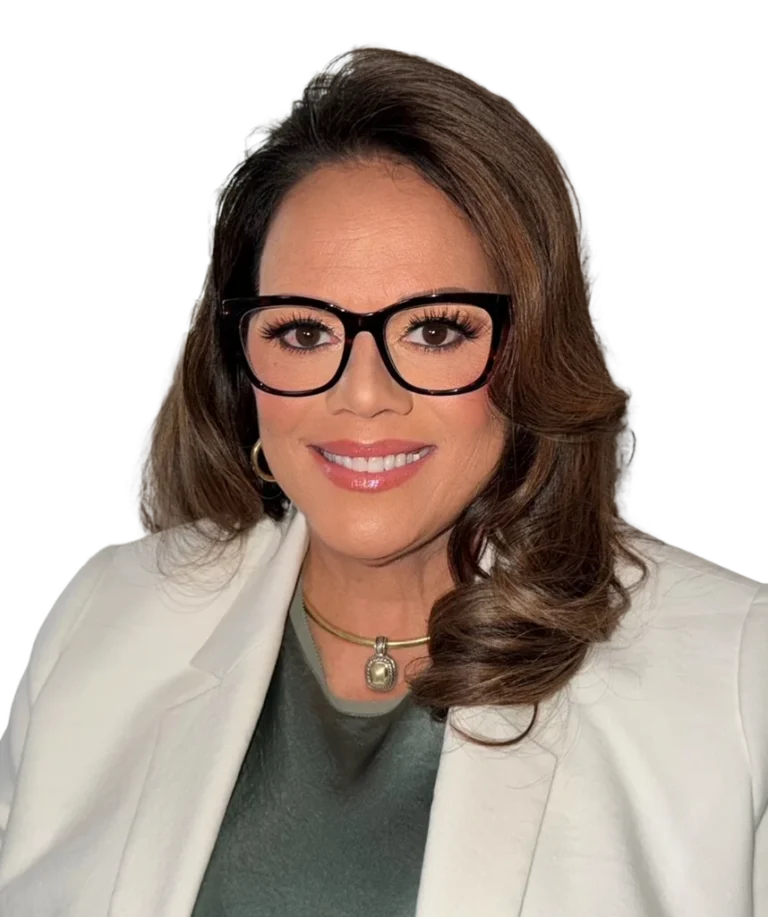











As the United States approaches National Assisted Living Week (September 13–19), the conversation surrounding eldercare has shifted from a private, often hidden struggle to a national priority. With millions of Americans currently navigating the complexities of senior living, the August episode of the "Caregiving Club On Air" podcast features an essential deep dive into the logistics and emotional landscape of long-term care (LTC).
Host Sherri Snelling sits down with industry expert Cory Fosco, author of the newly released book, “The Question of When – A Practical Guide To Knowing When It’s Time For Assisted Living, Memory Care or Skilled Nursing.” Together, they dissect the often-daunting process of evaluating senior living communities, managing the associated financial burdens, and facilitating the difficult family dialogues that precede these life-altering transitions.
The Landscape of Senior Care: Understanding the Scope
To understand the urgency of these discussions, one must look at the sheer scale of the industry. According to the American Health Care Association (AHCA) and the National Center for Assisted Living (NCAL), between 2 million and 3 million older adults currently reside in some form of senior living or long-term care community. Specifically, there are over 1 million seniors living across more than 41,000 assisted living communities in the United States.
These facilities range from independent living communities for those who simply want to shed the burdens of home maintenance, to skilled nursing facilities (SNFs) designed for individuals with complex medical needs. For many families, the challenge is not just finding a facility, but identifying the right type of care at the right time.

Chronology of a Transition: From Early Warning to Placement
The journey toward long-term care is rarely linear. It typically begins with a series of subtle changes—a missed medication, a minor fall, or signs of cognitive decline—that eventually culminate in a crisis.
Phase 1: The "Signal" Phase
Cory Fosco emphasizes that families often wait for an "emergency" before taking action. To counteract this, he has developed "The Four Signal Categories Checklist," a tool designed to help caregivers identify objective markers that indicate a need for a higher level of support. By tracking these signals early, families can transition from reactive crisis management to proactive planning.
Phase 2: The Conversation
One of the most significant barriers to smooth transitions is the lack of communication between seniors and their adult children. These conversations are emotionally charged, often touching on issues of independence, loss of autonomy, and fear. Fosco suggests that these discussions should focus on "safety and quality of life" rather than "relocation."
Phase 3: Due Diligence
Once the decision to move is made, the investigative process begins. This involves touring facilities, reviewing state survey results, and vetting staff-to-resident ratios. It is a time-intensive process that requires a methodical approach, often complicated by the emotional toll of moving a loved one.

Supporting Data: The Financial Reality of Care
Perhaps the most daunting aspect of long-term care is the financial commitment. Data from the 2025 Genworth/Care Scout Cost of Care Survey provides a sobering look at what families can expect to pay. While costs vary drastically by geography, the upward trajectory of these expenses remains a primary concern for the "Sandwich Generation"—those caring for aging parents while simultaneously raising their own children.
Breakdown of Care Costs
The cost of care is broken down by the level of support required:
- Adult Day Care: Provides social and health-related services in a community-based setting.
- Home Health/Personal Care: Essential for those who wish to age in place as long as possible.
- Assisted Living: Offers a middle ground between independent living and nursing homes.
- Nursing Homes: The highest level of care for individuals with intensive medical requirements.
Families are encouraged to use the annual Genworth Cost of Care survey to look at state-by-state comparisons. Because costs can vary by thousands of dollars per month depending on the region, having this data in hand is critical for long-term financial forecasting.
Official Perspectives and Expert Guidance
A common misconception among caregivers is that they must navigate this maze alone. In reality, there is a specialized profession dedicated to this exact process: the Professional Geriatric Care Manager (PGCM).
The Role of the Geriatric Care Manager
A PGCM is typically a licensed social worker or healthcare professional with specialized training in eldercare. They act as a "navigator" for families, providing:
- Needs Assessments: Determining exactly what level of care a senior requires.
- Logistical Coordination: Identifying local facilities, vetting providers, and scheduling tours.
- Financial Guidance: Navigating the intersection of private savings, long-term care insurance, and Medicaid planning.
Families can locate certified professionals through the Aging Life Care Association. Additionally, many modern employers have begun offering access to senior care experts as part of their corporate benefits packages, recognizing that caregiver stress directly impacts employee productivity and mental health.
Implications: The "Sandwich Generation" and Future Trends
The rise of the "Caregiving Club On Air" podcast to the #3 spot among caregiving podcasts nationally is indicative of a broader cultural shift. As the baby boomer generation ages, the demand for high-quality, accessible information on eldercare has skyrocketed.
Workplace Implications
Employers are increasingly finding that their workforce is burdened by the demands of caregiving. This has led to the development of new programs, such as the "Caregiving Club News" on YouTube, which aims to provide bite-sized, accessible education for busy professionals who need to stay informed on topics ranging from wellness to home design.

The Need for Proactive Planning
The primary implication for families today is clear: Wait and see is not a strategy. The "Question of When" is not merely about finding a facility; it is about establishing a roadmap that preserves the dignity of the aging adult while protecting the well-being of the caregiver.
As Sherri Snelling highlights in her ongoing work, caregiver self-care is not a luxury—it is a requirement for survival. Through resources like her "Me Time Monday" series, she underscores that for caregivers to effectively manage the "when" and "how" of their loved one’s care, they must first ensure they are not burning out themselves.
Conclusion: Taking the Next Steps
National Assisted Living Week serves as a reminder that these facilities are not just institutions; they are homes for millions of people. For those currently standing at the crossroads of a care decision, the path forward involves:
- Educating oneself on the levels of care available.
- Utilizing professional resources like the Elder Care Locator (1-800-677-1116) or a local Geriatric Care Manager.
- Prioritizing early, open communication with family members.
By shifting the narrative from a "crisis to be managed" to a "life transition to be navigated," families can find the best possible outcomes for their aging loved ones. Whether it is through reading Cory Fosco’s practical guide or tuning into the latest expert discussions on the Caregiving Club, the tools for success are more accessible than ever before.
Resource Summary
- Podcast: Caregiving Club On Air
- Expert Guide: The Question of When by Cory Fosco
- Financial Planning: Genworth Cost of Care Survey
- Professional Help: Aging Life Care Association
- Governmental Assistance: Elder Care Locator