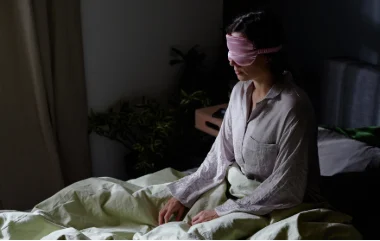
For millions of people, the transition from the couch to the bed is not a welcome relief but the beginning of a nightly struggle. As the body attempts to wind down, an insidious discomfort in the lower limbs often takes hold, turning the bedroom into a site of restlessness rather than restoration. While many dismiss these sensations as mere "growing pains" or standard fatigue, chronic leg discomfort can be a debilitating barrier to restorative sleep.
However, not all nocturnal leg sensations are created equal. Distinguishing between Restless Legs Syndrome (RLS) and common nocturnal leg cramps is essential for effective treatment. While both can compromise sleep quality, their physiological origins, symptom patterns, and necessary interventions differ significantly. Understanding these nuances is the first step toward reclaiming a restful night.
Main Facts: Defining the Two Conditions
To address nighttime discomfort, one must first be able to characterize the sensation. Medicine categorizes these two phenomena based on the nature of the feeling and the trigger for the sensation.
Restless Legs Syndrome (RLS)
RLS is a neurological disorder characterized by an irresistible urge to move the legs. This urge is almost always accompanied by uncomfortable, often indescribable sensations deep within the limb. Patients frequently describe these sensations as "creepy-crawly" feelings, tingling, pulling, or a deep-seated ache. The hallmark of RLS is its dependence on inactivity: the sensations emerge primarily during periods of rest, such as sitting in a theater or lying in bed.
Nocturnal Leg Cramps
In contrast, a leg cramp—or "charley horse"—is a sudden, involuntary, and forceful contraction of a muscle. Unlike the diffuse, internal urge of RLS, a cramp is a localized, sharp pain. The muscle physically hardens, and the contraction can often be felt or seen as a knot under the skin. While RLS is driven by a neurological urge to move, a cramp is a mechanical muscle spasm.
Chronology and Pattern Recognition
The timing of these events serves as a diagnostic roadmap. By observing when symptoms occur and how they respond to intervention, patients can begin to differentiate between the two.
The RLS Timeline
RLS symptoms follow a distinct circadian rhythm. They are rarely present in the morning; instead, they build in intensity as the day wanes, peaking in the evening and throughout the night. If a person with RLS attempts to lie down, the symptoms begin almost immediately. Crucially, movement provides temporary relief. Walking, stretching, or pacing the floor can diminish the sensation, but the relief is fleeting—as soon as the person stops moving, the "crawling" urge returns.
The Cramp Timeline
Leg cramps do not adhere to the same rhythmic buildup. They are often unpredictable, striking without warning during deep sleep or while shifting positions. While they are common at night, they are not necessarily linked to the time of day in the same way RLS is. A cramp is an acute event; once the muscle is stretched and the spasm releases, the sensation often dissipates entirely for the night, unlike the persistent, recurring nature of RLS.
Supporting Data: The Mechanics of Discomfort
The distinction between these conditions lies in the underlying biological processes.
- Neurological vs. Muscular: RLS is increasingly understood as a disorder of the central nervous system, often involving abnormalities in dopamine pathways—a neurotransmitter responsible for smooth muscle control. Iron deficiency is also a primary clinical driver of RLS.
- Mechanical Factors: Nocturnal leg cramps, conversely, are often linked to muscle fatigue, electrolyte imbalances (such as low potassium, magnesium, or calcium), dehydration, or issues with blood circulation. They are more common in older adults and individuals who engage in strenuous physical activity without proper recovery.
Comparative Symptom Table
| Feature | Restless Legs Syndrome (RLS) | Nocturnal Leg Cramp |
|---|---|---|
| Sensation | Creepy, crawly, pulling, ache | Sudden, sharp, hardening pain |
| Urge to Move | Strong and persistent | Not present |
| Primary Trigger | Inactivity, rest | Muscle fatigue, dehydration |
| Effect of Movement | Immediate, temporary relief | Can be painful to move; stretching helps |
| Duration | Can last for hours | Typically brief (seconds to minutes) |
Official Perspectives and Clinical Insight
Medical organizations, including the American Academy of Sleep Medicine (AASM), emphasize that both conditions are frequently under-diagnosed. Many patients live with these symptoms for years, mistakenly believing that they are simply "a normal part of aging."
Dr. Shalini Paruthi, a sleep medicine specialist, notes that the primary challenge in clinical settings is the overlap. "Patients often come in saying their legs hurt, but the vocabulary they use is crucial. If they use words like ‘urge,’ ‘need,’ or ‘can’t sit still,’ we are looking at RLS. If they describe a ‘knot,’ ‘tightness,’ or ‘sharp pain,’ we are looking at a muscle spasm."
Can You Have Both?
Yes. Clinical data suggests that it is entirely possible for a patient to suffer from comorbid RLS and nocturnal leg cramps. In these cases, the treatment strategy becomes more complex. Treating the cramps might involve magnesium supplementation or hydration protocols, while RLS may require iron infusions or dopamine-agonist medications. It is vital that patients do not assume one "catch-all" solution will work for both conditions.
Implications for Daily Life and Long-term Health
The implications of untreated leg discomfort extend far beyond a single sleepless night. Chronic sleep deprivation is linked to:
- Cognitive Impairment: Reduced concentration, memory lapses, and slower reaction times.
- Cardiovascular Risk: Persistent nighttime disturbances can elevate blood pressure and stress hormones.
- Mental Health: There is a well-documented correlation between RLS and increased rates of anxiety and depression. The feeling of being "trapped" in one’s own body during the night can lead to significant psychological distress.
Preparing for Your Doctor’s Visit
If you suspect your sleep is being compromised by leg discomfort, preparation is your greatest asset. Before your appointment, consider the following checklist:
- Symptom Diary: Keep a log for one week. Record what time the symptoms start, what you were doing when they began (e.g., watching TV, lying in bed), and what specifically helped stop the feeling (e.g., walking, stretching, massage).
- Sensation Mapping: Can you point to a specific muscle that is tightening? Or is the feeling internal and impossible to locate?
- Medication Review: Bring a list of all current medications, including over-the-counter supplements. Some medications, such as certain antihistamines or antidepressants, can actually trigger or worsen RLS symptoms.
- Family History: Does anyone else in your family suffer from "jumpy legs" or unexplained nighttime restlessness? RLS often has a genetic component.
Conclusion: When to Seek Professional Intervention
Leg discomfort that interferes with your quality of life is not a condition you should have to "just live with." If your sleep is being disrupted—or if your partner has noted that you are kicking or twitching throughout the night—it is time to seek professional medical advice.
An accurate diagnosis is the gateway to relief. By working with a healthcare provider to distinguish between the neurological urge of RLS and the mechanical spasm of a leg cramp, you can move from a cycle of exhaustion to a pattern of restoration. Whether the solution involves correcting an iron deficiency, adjusting your evening medication, or implementing a new stretching routine, the path to a better night’s sleep begins with a clear understanding of what your body is trying to tell you.
Disclaimer: This article is intended for informational purposes only and does not constitute professional medical advice, diagnosis, or treatment. Always seek the advice of your physician or other qualified health provider with any questions you may have regarding a medical condition.