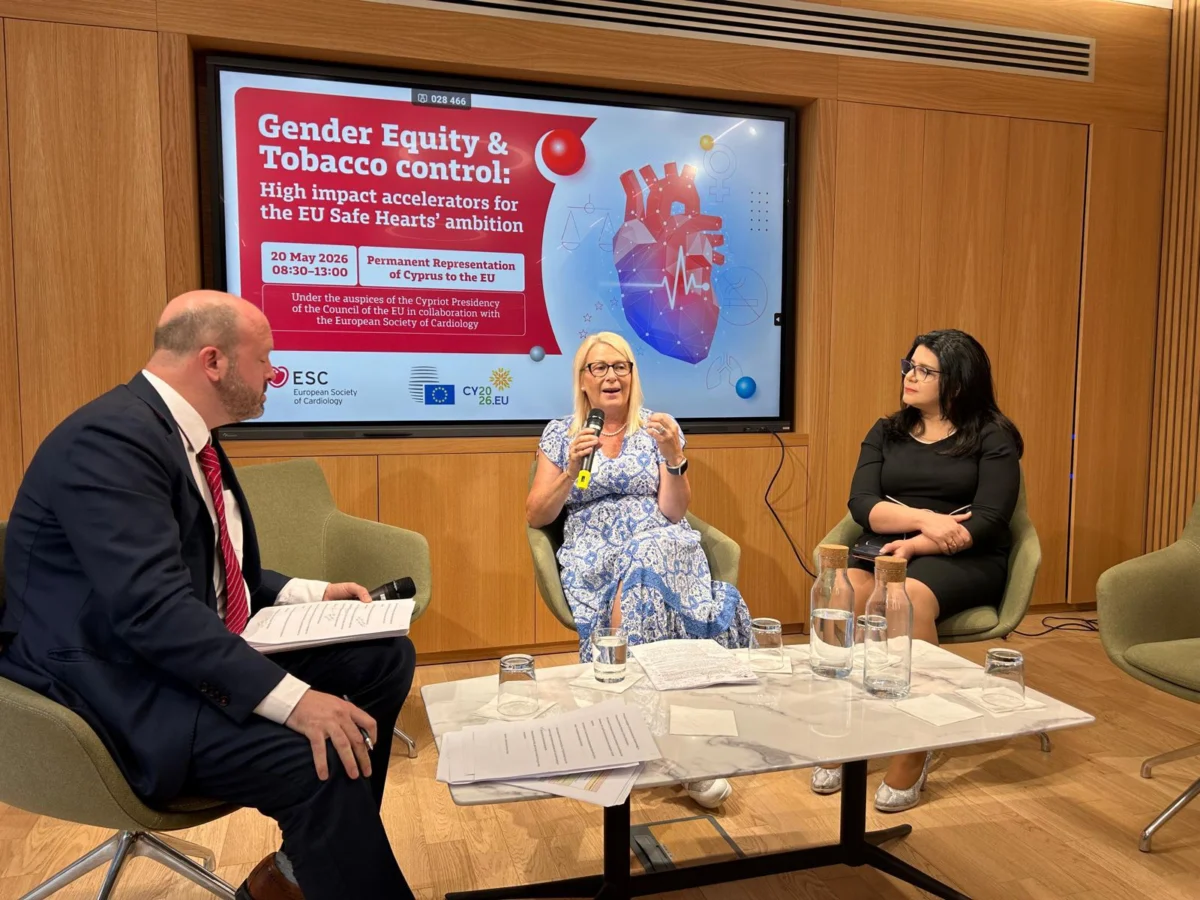
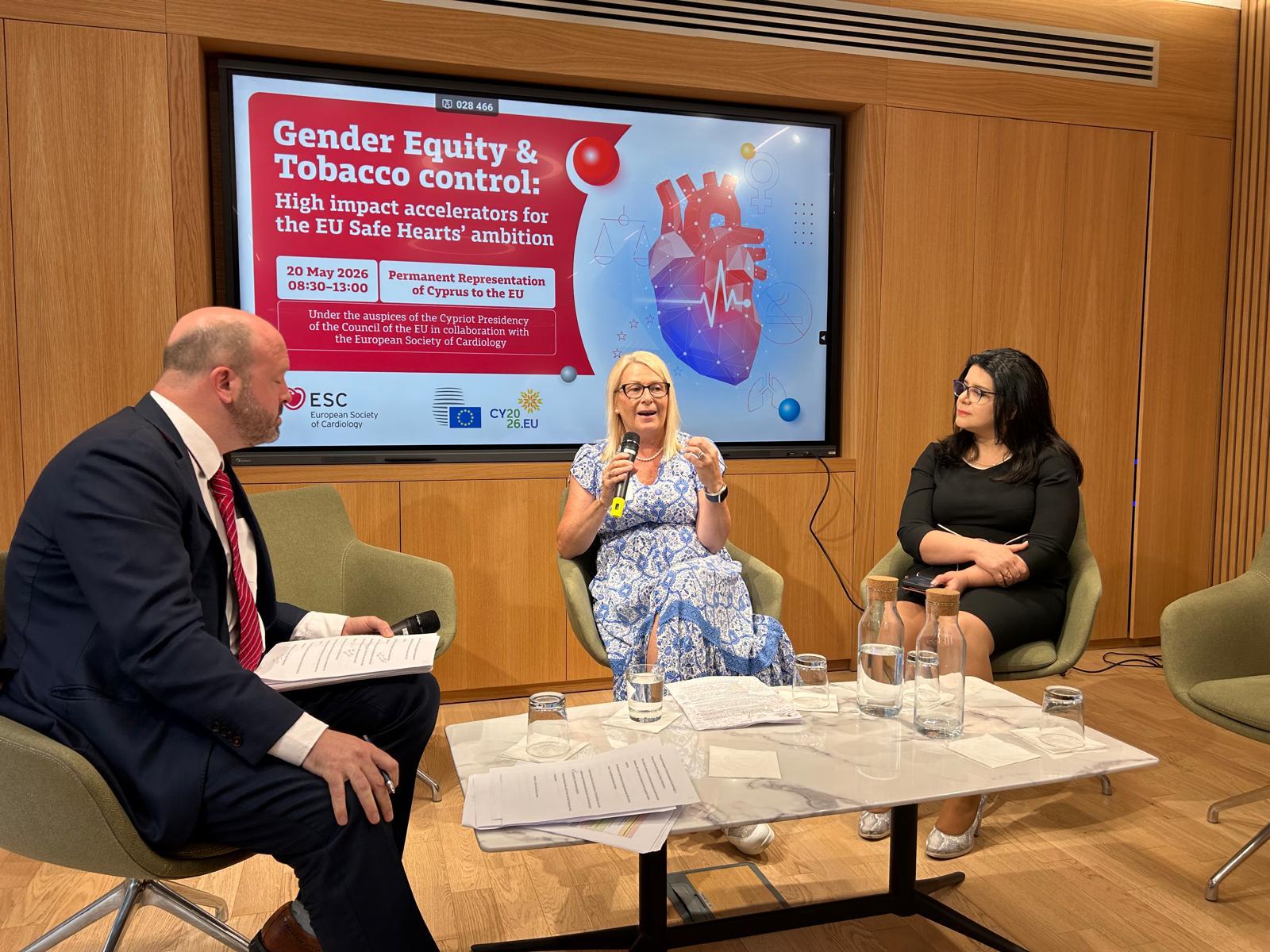
On May 20, the European Lung Foundation (ELF) demonstrated the vital role of patient representation in high-level policy discussions. In a dual-pronged effort to address the most pressing environmental and lifestyle threats to respiratory health, ELF leaders participated in pivotal forums in Brussels and the United Kingdom. Helen Parks, ELF Council member and Chair of the ELF United Patient Advisory Group (UPAG), joined European health leaders in Brussels to address tobacco control and gender equity in cardiovascular health. Simultaneously, incoming ELF Chair Phil Taverner engaged with the Clean Air Champions network in the UK to spearhead clinical action against the rising tide of air pollution.
Main Facts: A Unified Front for Respiratory Health
The concurrent participation of ELF leadership in these two distinct yet overlapping spheres highlights a strategic shift: the movement of patient advocates from the sidelines of clinical care into the heart of legislative and professional decision-making.
At the European Society of Cardiology (ESC) event, the focus was on the "EU Safe Hearts Plan," an ambitious initiative designed to reduce the burden of cardiovascular disease. The inclusion of tobacco control as a pillar of this discussion underscores the inextricable link between lung health and heart health. Meanwhile, in the UK, the Clean Air Champions network meeting focused on the "clinical prescription" of clean air—transforming how physicians discuss environmental hazards with patients suffering from chronic respiratory conditions.
Chronology of Events
The Brussels Summit (May 20, Morning)
Helen Parks represented the patient voice at the ESC event, centering her intervention on the "vaping epidemic." She articulated a clear warning: the current regulatory landscape is failing to protect the youth. By drawing on her personal history with asthma—a condition exacerbated by the pervasive, invisible cloud of passive smoke—Parks provided a visceral counterpoint to the clinical data being presented by policymakers.
The Clean Air Champions Meeting (May 20, Afternoon)
Phil Taverner, joining via the UK-based Clean Air Champions initiative, pivoted the conversation toward the daily, granular struggles of patients. He detailed the "hidden costs" of pollution—the mental and physical energy required for a patient to navigate urban environments safely. His contribution shifted the focus from abstract air quality metrics to the practical realities of managing a long-term condition in a polluted environment.
Supporting Data: The Rising Tide of Risk
The urgency of these discussions is supported by increasingly grim data regarding both nicotine consumption and atmospheric quality.
The Tobacco and Nicotine Crisis
The landscape of nicotine consumption has shifted dramatically. While traditional smoking rates have seen declines in some European demographics, the "vaping boom" has created a new gateway for nicotine addiction. Recent studies cited by health experts suggest that:
- Adolescent Uptake: There has been a sharp, concerning rise in vaping among students, particularly teenage girls, a demographic previously considered low-risk for tobacco-related products.
- The Regulatory Gap: Unlike traditional tobacco products, which are governed by stringent EU-wide regulations, vaping products are often marketed with flavors and branding that appeal directly to minors, often falling into a "regulatory gray zone."
- The Passive Impact: For those with existing respiratory conditions, such as asthma or COPD, the aerosolized chemicals found in modern vapes represent an unknown quantity of trigger-inducing particulate matter.
Air Pollution: The Invisible Barrier
Air pollution remains the single largest environmental health risk in Europe. Data from the European Environment Agency suggests that:
- Clinical Burden: A significant percentage of hospital admissions for asthma exacerbations are linked to spikes in nitrogen dioxide (NO2) and particulate matter (PM2.5) levels.
- Socioeconomic Inequity: As Phil Taverner noted, the ability to "avoid" pollution is a privilege. Those in lower-income areas or jobs that require outdoor exposure are disproportionately impacted, creating a "health gap" that cannot be fixed by individual choices alone.
Official Responses and Perspectives
Helen Parks: The Call for Stricter Oversight
In her address, Parks was unequivocal: "We are witnessing a generation being conditioned for nicotine dependency." She criticized the lack of proactive measures taken by national governments to curb the aggressive marketing tactics of vape manufacturers. Her message to policymakers was twofold: increase the age-restriction enforcement and introduce mandatory, clear health warnings on all nicotine-delivery devices.
Phil Taverner: Moving Beyond "Individual Responsibility"
Taverner’s contribution to the Clean Air Champions meeting challenged the medical community to stop framing air quality as solely a patient’s responsibility. "Telling a patient to ‘avoid polluted streets’ is a band-aid solution," Taverner stated. "We need to empower clinicians to become advocates for clean air policies, shifting the burden from the patient’s lungs to the legislature’s responsibility."
Implications for Public Health and Policy
The dual-action taken by ELF on May 20 signifies a maturation of the patient advocacy movement. The implications for the future of respiratory care are profound:
- Integrating Patient Experience into Clinical Guidelines: The success of the Clean Air Champions meeting suggests that "patient-centered care" must now include environmental counseling. Doctors are being encouraged to include air quality awareness as part of their standard patient education, similar to how they discuss diet or exercise.
- Harm Reduction vs. Regulatory Control: The discussions in Brussels highlight a philosophical clash. While some argue that vaping is a tool for smoking cessation, the ELF stance is clear: when it comes to youth and the general public, the health risks of nicotine exposure outweigh the potential benefits. The push for "stronger measures" suggests a movement toward a total ban on flavored products and strict limitations on nicotine concentrations.
- Cross-Sectoral Collaboration: By bridging the gap between cardiology (ESC) and respiratory advocacy, the ELF is fostering a more holistic approach to health. It is an acknowledgement that the heart and the lungs are part of a single, integrated system, and that systemic diseases are often the result of cumulative environmental stressors.
Conclusion: Why Patient Participation Matters
The contributions of Helen Parks and Phil Taverner serve as a reminder that healthcare is not merely a collection of data points and diagnostic codes; it is the sum of human experience. When patients are brought into the room, the tone of the conversation shifts from the theoretical to the urgent.
ELF’s ongoing mission is to ensure that this momentum continues. By bringing the "real-life" perspective to the legislative table, the foundation is shaping policies that are not only scientifically sound but also socially responsible. As we look ahead, the ELF remains committed to partnering with European institutions to ensure that the patient voice is not just heard, but is the driving force behind the next generation of public health policies.
Whether it is fighting the normalization of vaping or campaigning for cleaner, breathable air in our cities, the ELF continues to prove that the most effective health interventions are those that are designed with, and for, the people who need them most. The actions taken on May 20 are merely the beginning of a broader, more robust engagement strategy that will define the next decade of European respiratory health.