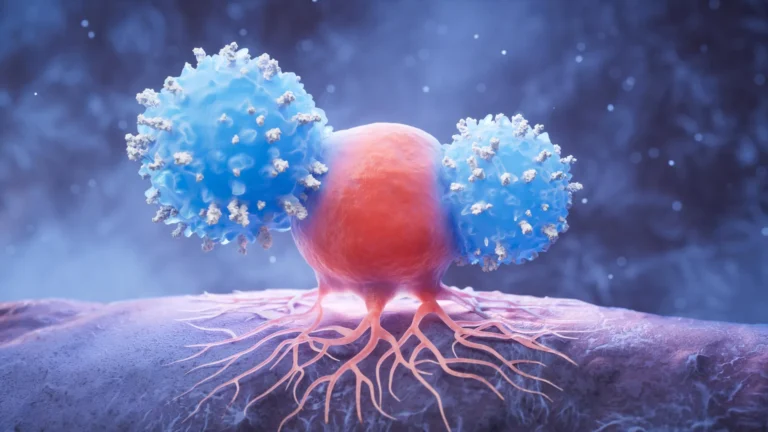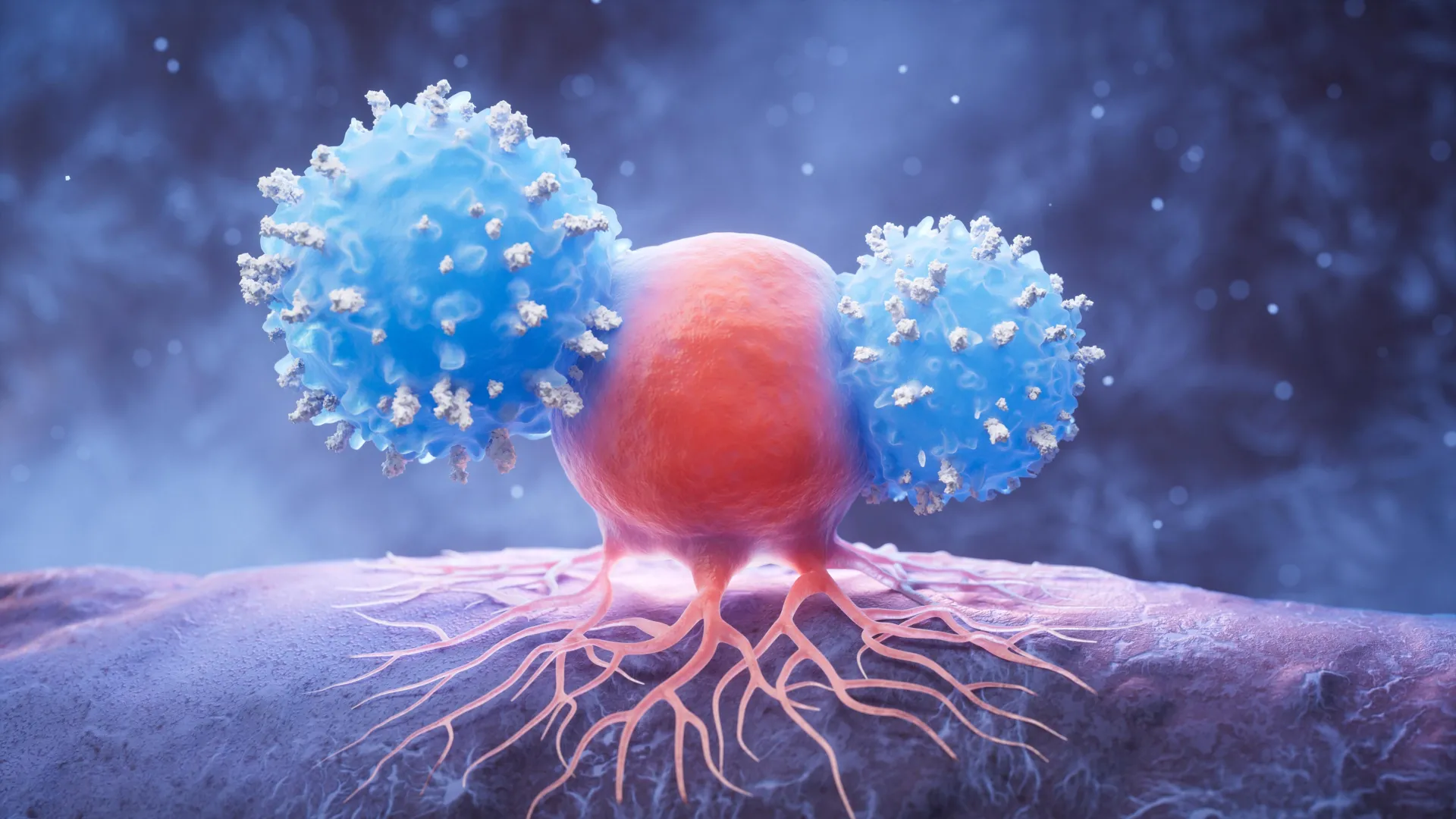
In a groundbreaking development that promises to reshape the landscape of oncology, researchers have identified a previously unrecognized biological mechanism that allows tumors to evade the body’s natural defenses. The study, published in the prestigious journal Nature, reveals that a surface molecule known as SLAMF6 acts as an "internal brake" on T cells—the immune system’s primary soldiers—effectively silencing their ability to identify and destroy malignant cells.
Led by Dr. André Veillette, a professor of medicine at the Université de Montréal and director of the Molecular Oncology Research Unit at the Montreal Clinical Research Institute (IRCM), the team has not only mapped this mechanism but has also engineered monoclonal antibodies capable of neutralizing it. This discovery offers a glimmer of hope for patients who have exhausted current treatment options, including the widely used, yet often ineffective, PD-1 and PD-L1 inhibitors.
The Mechanism: A Hidden Immune Brake
To understand the significance of this discovery, one must first understand the "checkpoints" of the immune system. For years, scientists have focused on the interactions between cancer cells and T cells. Standard immunotherapies work by blocking the "handshake" between tumor cells and T cells, which prevents the tumor from sending a "don’t attack me" signal.
However, the team led by Dr. Veillette discovered that SLAMF6 functions in a fundamentally different, and more insidious, manner. Unlike other checkpoints that require a tumor-derived ligand to activate, SLAMF6 is capable of self-activation. When SLAMF6 molecules on the surface of a T cell interact with one another—a process known as homophilic interaction—they trigger an inhibitory signaling cascade that effectively paralyzes the T cell from within.
Essentially, the T cell becomes its own worst enemy. By shutting down its own activity, the T cell loses its cytotoxic potential, allowing the tumor to grow unchecked. This "internal" nature of the inhibition explains why many patients fail to respond to existing therapies; if the brake is being applied from within the T cell, blocking external signals from the tumor is insufficient to restore the cell’s anti-cancer function.
Chronology of Discovery: From Observation to Intervention
The path to this discovery was one of meticulous, multi-year research aimed at understanding why T cells often lose their "exhaustion" resistance in the tumor microenvironment.
- Initial Observations (2018–2020): Dr. Veillette’s team began screening surface receptors on T cells that appeared to be upregulated in the presence of solid tumors. They identified SLAMF6 as a consistent, yet poorly understood, variable.
- Mechanistic Mapping (2021–2022): Through high-resolution imaging and CRISPR-based gene editing, the team confirmed that SLAMF6 did not rely on tumor cells to send inhibitory signals. Instead, they observed the molecule clustering on the surface of T cells, demonstrating a self-inhibitory mechanism.
- Antibody Development (2023): Once the mechanism was identified, the team shifted toward therapeutic design. They synthesized a series of monoclonal antibodies designed to bind specifically to the SLAMF6 interface, preventing the molecules from "locking" together and initiating the self-suppressive signal.
- Validation (2024): In rigorous laboratory testing using murine models, the administration of these novel antibodies resulted in a significant restoration of T cell activity, marked by an increased release of cytokines and a heightened ability to infiltrate and shrink solid tumor masses.
Supporting Data: Why This Changes the Odds
Current immunotherapies, specifically those targeting the PD-1/PD-L1 pathway, have been a milestone in oncology. However, statistics suggest that only about 20% to 30% of patients with certain cancers show a durable response to these treatments. The remaining patients either show primary resistance (the drug never works) or acquired resistance (the drug stops working after a period of time).
The data provided by the IRCM study indicates that the SLAMF6-targeted antibodies overcome these limitations by addressing the "internal" signaling that remains active even when PD-1 pathways are blocked.
Key Experimental Findings:
- Re-invigoration of Exhausted T Cells: In experimental models, T cells that had been rendered dysfunctional by the tumor microenvironment showed a rapid recovery of function upon treatment with the anti-SLAMF6 antibodies.
- Synergistic Potential: The researchers found that when anti-SLAMF6 antibodies were used in combination with standard anti-PD1 treatments, the anti-tumor effect was significantly more potent than either treatment used alone.
- Specificity and Safety: Because the antibody targets a specific signaling mechanism rather than a broad immune activator, the risk of "cytokine storm" or autoimmune over-reaction—a common side effect of current immunotherapies—may be reduced.
Official Responses and Perspectives
The scientific community has reacted with cautious optimism, noting that this research represents a fundamental shift in how we view immune evasion.
"The discovery made by Dr. Veillette’s team opens the door to a new chapter in immunotherapy," remarked Dr. Jean-François Côté, president and scientific director of the IRCM. "By identifying an internal brake that had until now gone unrecognized, and by developing antibodies capable of neutralizing it, our researchers are offering an innovative solution to the limitations of current treatments."
Dr. Côté further emphasized the strategic importance of the work: "Rooted in a strategic vision to develop precision therapeutics, this breakthrough brings real hope to many patients and stands as a strong example of the impact of the translational research conducted at the IRCM."
The study, titled "SLAMF6 as a drug-targetable suppressor of T cell immunity against cancer," serves as a testament to the power of collaborative, publicly funded research. The project received support from a coalition of high-impact organizations, including the Canadian Institutes of Health Research (CIHR), the Terry Fox Research Institute, BioCanRx, the Québec Ministry of Economy, Innovation and Energy, and the Canadian Foundation for Innovation.
Clinical Implications: The Road Ahead
While the laboratory results are promising, the transition to human clinical trials remains the next critical hurdle. The researchers are currently preparing for Phase I/II trials, which will focus on determining the safety profile and optimal dosing for human patients.
Potential Applications:
- Refractory Solid Tumors: The therapy is initially expected to be tested in patients with solid tumors (such as melanoma, lung cancer, or head and neck cancers) who have failed previous immunotherapy cycles.
- Blood Cancers: Given the role of SLAMF6 in T cell behavior, the team is also investigating the application of these antibodies in hematological malignancies, where T cell function is often severely compromised.
- Combination Therapies: The most likely clinical path involves "cocktail" therapies, where SLAMF6 inhibitors are paired with existing checkpoints to create a multi-pronged attack on the tumor’s defenses.
Conclusion: A New Frontier in Precision Oncology
The discovery of the SLAMF6 internal brake represents more than just a new drug target; it represents a more nuanced understanding of the T cell’s internal logic. For decades, the focus of cancer immunotherapy was on the "dialogue" between cells. Dr. Veillette’s work suggests that we must also consider the "monologue"—the internal signals a cell sends to itself when it becomes overwhelmed by the presence of a tumor.
As the research moves into clinical development, the oncology community will be watching closely. If these antibodies successfully translate from the laboratory to the bedside, they could provide a vital lifeline for thousands of patients who currently have few alternatives. While the path to regulatory approval is long and rigorous, the IRCM team’s breakthrough stands as a landmark moment in the ongoing fight to harness the full, hidden power of the human immune system.