In the landscape of modern oncology, few challenges are as persistent as the treatment of refractory Classical Hodgkin’s Lymphoma (cHL). While frontline chemotherapy regimens have achieved remarkable cure rates for the majority of adolescents and young adults diagnosed with this malignancy, a stubborn subset of patients remains who do not respond to initial therapy or who experience a recurrence.
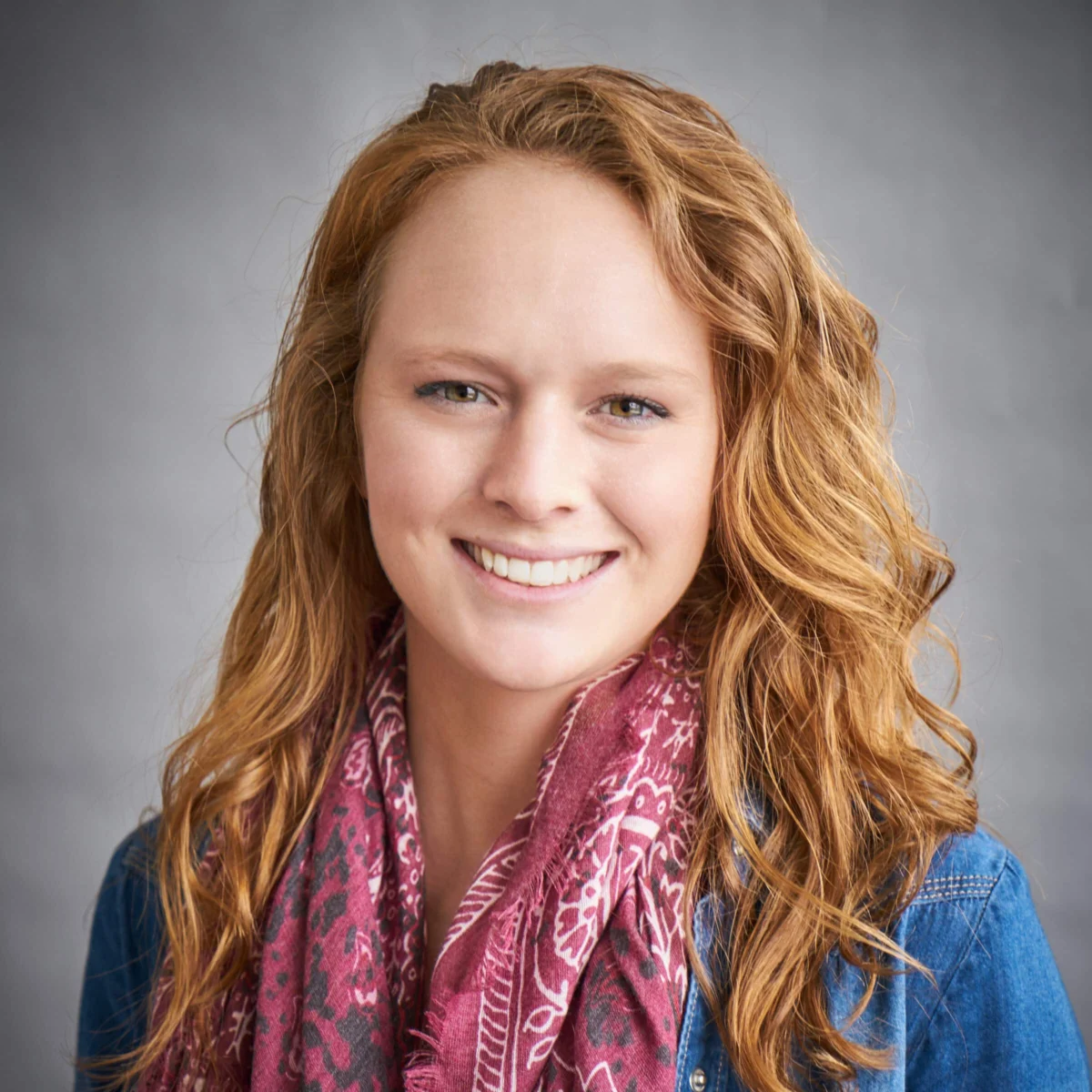
Dr. Shelby Sloan, a postdoctoral fellow in immunology and hematology at The Ohio State University, is currently at the vanguard of research aiming to close this therapeutic gap. By leveraging the next generation of chimeric antigen receptor (CAR) T-cell technology, Dr. Sloan is not merely attempting to kill cancer cells; she is attempting to dismantle the very architecture of the "immunosuppressive shield" that protects them.
The Clinical Challenge: Why Standard Therapies Fall Short
Classical Hodgkin’s Lymphoma is frequently categorized by its high response rate to standard chemotherapy and radiation. However, for the population that falls into the "refractory" category—meaning the cancer resists initial treatment—the outlook has historically been more complex.
The mechanism of resistance often lies not just in the tumor cells themselves, but in the hostile microenvironment surrounding them. The tumor creates a sanctuary, recruiting immune cells to its side to suppress the body’s natural ability to mount an effective defense. For patients in this category, traditional cytotoxic drugs often fail to penetrate or overcome this defensive perimeter.
Researcher Spotlight: Dr. Shelby Sloan’s Scientific Trajectory
Dr. Sloan’s journey to this research is rooted in a deep-seated commitment to translational medicine. Having completed her graduate studies at The Ohio State University, she has dedicated her career to the intersection of immunology and hematology. Her current work is supported by foundational grants aimed at fostering the next generation of cancer researchers who focus on pediatric and young adult oncology.
"I think there is great potential for the treatment of cancer by harnessing the power of the body’s naturally evolved cancer detection and elimination tactics," Dr. Sloan notes. Her philosophy is simple yet profound: if we can identify why the immune system fails to recognize the lymphoma, we can engineer the tools necessary to retrain that system.
The Innovation: Dual-Targeting CAR T-Cell Therapy
At the heart of Dr. Sloan’s current research is a novel design for CAR T-cell therapy. Traditional CAR T-cell therapies are engineered to recognize a single antigen on the surface of a tumor cell. However, Dr. Sloan’s approach is more nuanced. She is developing a therapy that targets a specific protein expressed not only on the cHL tumor cells but also on the immunosuppressive immune cells found within the tumor’s immediate microenvironment.
Dismantling the Shield
"These defective immune cells surrounding the tumor block the body’s natural immune response and hinder their ability to eliminate the cancer cells," Dr. Sloan explains. "We think that by targeting both cell types with our engineered T-cell therapy, we can remove the immunosuppressive shield and allow the CAR T cells greater access to eliminate the cHL cells."
This "dual-action" approach is significant. By stripping away the tumor’s protective armor—the very cells that tell the immune system to "stand down"—the therapy essentially turns the tumor’s own defenses against it. This two-pronged attack is designed to maximize the potency of the T-cell infiltration, ensuring that the cancer has nowhere to hide.
A Chronology of Progress: From Theory to Clinical Potential
The development of this therapy follows a rigorous scientific progression, moving from cellular theory to bench-top modeling and, eventually, the potential for clinical trial applications.
- Foundation Phase (Graduate Studies): Dr. Sloan focused on the basic immunological mechanisms of B-cell malignancies, identifying the specific protein markers that define the immunosuppressive environment of Hodgkin’s Lymphoma.
- Engineering Phase (Current): As a postdoctoral fellow, Dr. Sloan has been engaged in the molecular engineering of T-cells. This involves modifying the genetic blueprint of the T-cells to express the receptor that targets the dual-protein signature of both the cancer and its surrounding support cells.
- Validation Phase: The current research involves testing these engineered cells in laboratory models to ensure they are both effective at killing the targeted cells and safe for the broader immune system.
- Future Clinical Outlook: With the support of the Foundation, Dr. Sloan is laying the groundwork for a clinical research program that will eventually transition these findings into the clinic, offering a new lifeline for young patients with relapsed or refractory disease.
Supporting Data: The Need for Targeted Immunotherapy
The urgency of Dr. Sloan’s work is underscored by the epidemiology of Hodgkin’s Lymphoma. It is one of the most prevalent cancers among adolescents and young adults (AYA). While the survival rate for early-stage disease is high, the "long-tail" of patients who do not respond to frontline treatment faces a significant decrease in quality of life and survival outcomes.
Current CAR T-cell therapies, while revolutionary in blood cancers like B-cell acute lymphoblastic leukemia, have faced hurdles in solid and semi-solid tumors like lymphoma due to the very immunosuppressive microenvironment Dr. Sloan is addressing. By neutralizing this environment, her research addresses one of the primary "bottlenecks" in current cellular therapy.
Official Perspectives: The Role of Targeted Research
The Foundation supporting Dr. Sloan’s work emphasizes the necessity of investing in high-risk, high-reward research. In the oncology sector, the transition from broad-spectrum chemotherapy to "precision medicine" is the defining narrative of the 21st century.
"We are not just looking for a new drug," an institutional spokesperson remarked. "We are looking for a paradigm shift. Dr. Sloan’s research into the microenvironment represents a sophisticated understanding of cancer biology that moves beyond simple cell death and into the realm of system-wide immune regulation."
Implications for the Future of Oncology
If successful, the implications of Dr. Sloan’s research extend far beyond Classical Hodgkin’s Lymphoma. The ability to "retrain" the immune system by targeting the surrounding environment could theoretically be adapted to a wide array of cancers.
The "Personalized" Future
Dr. Sloan envisions a future where treatment is not a one-size-fits-all cocktail of chemicals, but a personalized map of the patient’s own immune system. "If we can understand why the immune system has failed to detect and eliminate lymphomas," she says, "we can engineer personalized targeted therapies to enhance or retrain the immune system to recognize cancer cells."
This implies a future where:
- Reduced Toxicity: By targeting specific proteins on tumor-associated cells, the therapy could potentially reduce the "off-target" toxicity often seen with systemic chemotherapy.
- Increased Durability: Because the therapy focuses on long-term immune memory, there is hope that it could provide more durable remissions for patients who have historically struggled with multiple relapses.
- Expanded Accessibility: As the technology behind CAR T-cell manufacturing becomes more streamlined, research like Dr. Sloan’s becomes the blueprint for how we treat complex, refractory cancers in younger, more vulnerable populations.
Conclusion: A New Horizon for Patients
The work being conducted by Dr. Shelby Sloan at The Ohio State University is a testament to the power of persistence in scientific inquiry. By shifting the focus from the cancer cell in isolation to the cancer cell in its environment, she is opening doors to a new generation of immunotherapies.
For the young patients currently battling refractory Hodgkin’s Lymphoma, Dr. Sloan’s research offers more than just hope; it offers a scientific roadmap to a cure. As her project continues to evolve from the lab bench to potential clinical trials, the oncology community remains watchful, recognizing that this work may well be the key to unlocking the full potential of the immune system in the fight against cancer. Through her dedication, the landscape of lymphoma treatment is slowly, but surely, beginning to change.