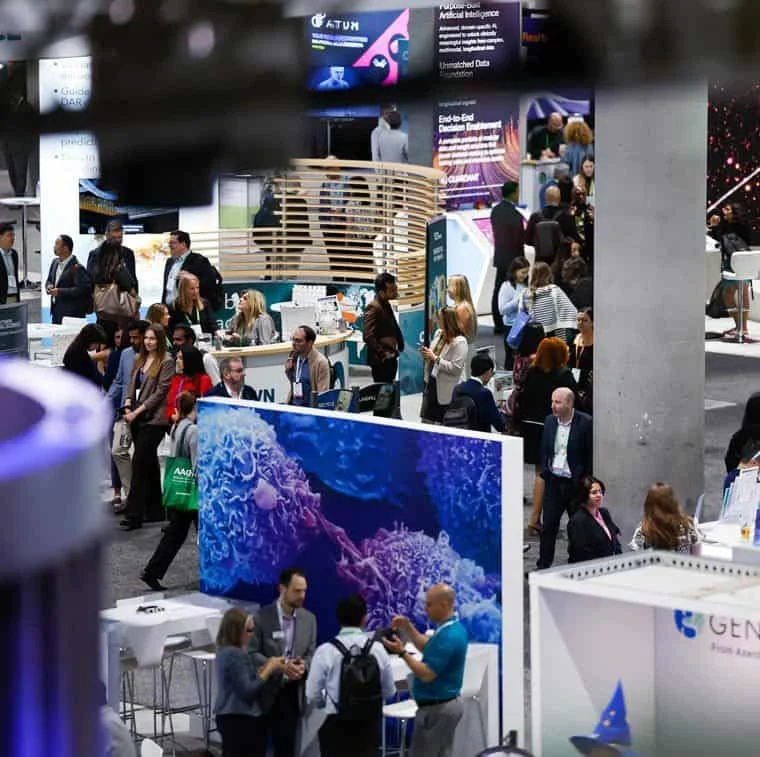
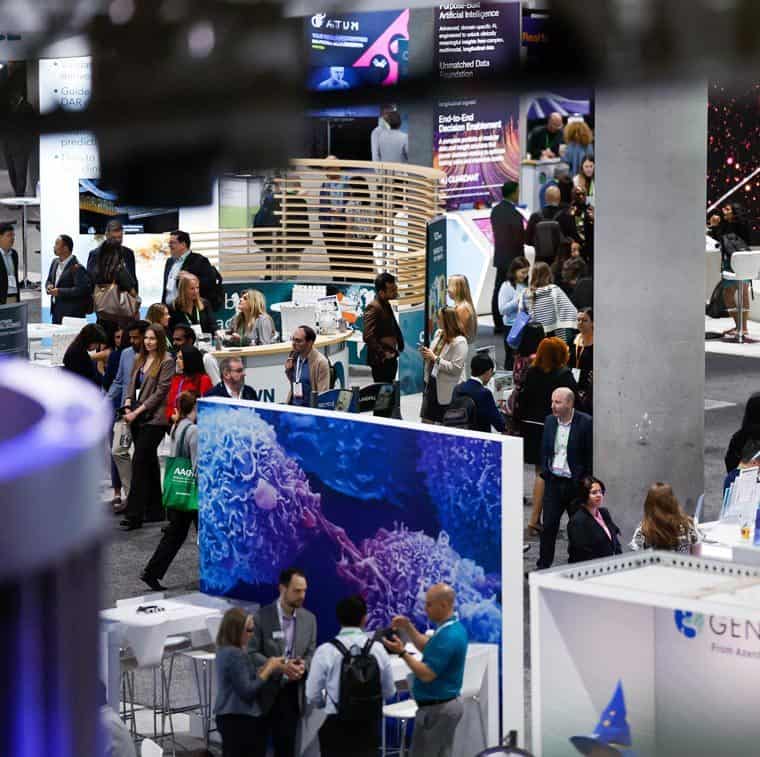
At the 2026 American Association for Cancer Research (AACR) Annual Meeting, a pivotal narrative took center stage. Dr. Anthony Letai, Director of the National Cancer Institute (NCI), delivered a keynote address that served as both a celebration of recent scientific triumphs and a sobering call to arms. While the data confirms that we are winning battles against specific malignancies, the war against cancer is evolving into a more complex, multifaceted challenge that demands a fundamental shift in how we approach discovery, clinical implementation, and global competition.
The State of the Union: Three Decades of Progress
The 2026 Cancer Statistics report, published by the American Cancer Society, provides the foundational data for the current optimism. Over the past 30 years, cancer mortality in the United States has plummeted by approximately one-third. This decline is not merely a statistical victory; it represents millions of additional birthdays, anniversaries, and milestones shared between patients and their families.
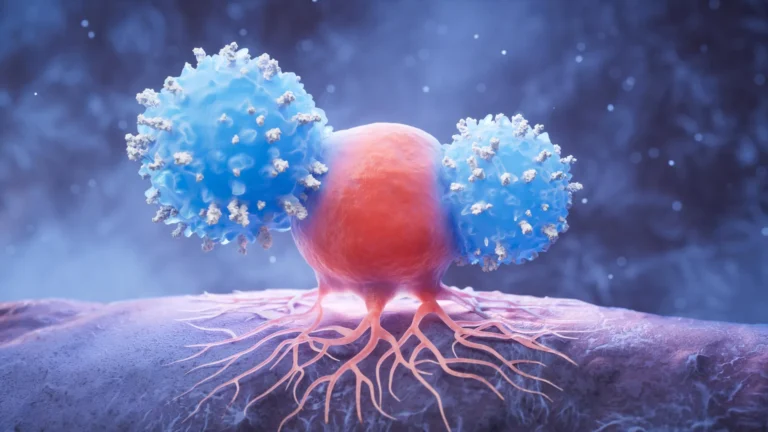
This success is largely attributed to the maturation of immuno-oncology. By harnessing the body’s own immune system to identify and eradicate malignant cells, immunotherapy has transitioned from an experimental concept to a standard of care for an expanding roster of diseases. However, as Dr. Letai pointed out, these gains are currently plateauing against a rising tide of new, systemic challenges.
Chronology of a Changing Landscape
To understand the urgency of the current moment, one must look at the shifting demographic and biological patterns observed over the last decade:
- The Early-Onset Shift (2020–2026): Perhaps the most alarming trend is the spike in early-onset cancers. Colorectal cancer, once considered a disease of aging, has become the leading cause of cancer-related mortality among adults under 50. Incidence rates in this cohort are climbing by nearly 3% annually, a phenomenon that has baffled researchers and prompted an urgent re-evaluation of environmental, lifestyle, and genetic triggers.
- The Resistance Hurdle: As we have become more effective at inducing initial remission, we have encountered the stubborn reality of treatment resistance. Recurrence remains a formidable obstacle, with many tumors developing "adaptive resistance," effectively learning to evade the very therapies designed to destroy them.
- The Disparity Gap: Despite rapid laboratory innovation, the "last mile" of care—access to screening, prevention, and timely treatment—remains obstructed for marginalized and underserved populations. The gap between what is possible in the clinic and what is accessible to the average citizen has never been wider.
Supporting Data: The Complexity of the Patient
Cancer is no longer viewed as a monolith. We have moved into the era of the "individual tumor profile." Dr. Letai emphasized that the heterogeneity of cancer—where two patients with the same diagnosis may have wildly different cellular signatures—demands a transition toward hyper-precision medicine.
However, precision medicine is only as good as the data powering it. Today’s research bottleneck is not the collection of data, but the integration of it. Clinical trials generate massive volumes of genomic, spatial, and cellular information, but these data sets often exist in silos. Without standardized, AI-ready frameworks, this information remains "dark data"—potentially transformative, yet unreachable.
The Role of Infrastructure
Initiatives such as the Cancer Research Institute’s (CRI) Discovery Engine are emerging as the vital infrastructure for this new era. By harmonizing data across different research systems, the Discovery Engine allows for cross-comparative studies that were previously impossible. This creates a foundational resource where AI can iterate upon high-quality biological data to predict which patients will respond to specific immunotherapies, thereby saving time and reducing the toxic burden of ineffective treatments.
Official Responses and Strategic Shifts
Dr. Letai’s address was marked by a candid assessment of the U.S. biomedical research ecosystem’s limitations. While the science is world-class, the bureaucracy surrounding early-phase clinical trials is becoming a competitive liability.
"We are seeing a shift in global momentum," Dr. Letai noted. He pointed specifically to the rapid pace at which nations like China are accelerating early-stage studies through streamlined regulatory pathways and parallel processing. The NCI’s strategic response involves:
- Regulatory Streamlining: Reducing the administrative friction that prevents promising laboratory discoveries from entering the clinic.
- Infrastructure Coordination: Creating a more cohesive network between academic research centers and private industry to ensure that early-phase trials are not redundant or unnecessarily delayed.
- Risk-Tolerance: Encouraging institutional review boards and funding bodies to prioritize high-risk, high-reward research, rather than exclusively funding incremental, low-risk projects.
The Human Capital Crisis: Investing in the Future
Perhaps the most poignant portion of Dr. Letai’s address concerned the "talent pipeline." The modern researcher faces a daunting landscape: funding instability, lengthy postdoc periods, and a competitive environment that often pushes the brightest minds toward private industry before they can make their mark on cancer biology.
Dr. Letai issued a direct call to action: the NCI must prioritize the sustainability of early-stage investigators. This sentiment is echoed by organizations like the CRI, which has launched the IGNITE Award. By providing five years of "catalytic support," the award bridges the precarious gap between a researcher’s postdoctoral training and their first independent faculty appointment.
This is not merely a philanthropic endeavor; it is a strategic necessity. If the research ecosystem does not provide a clear, viable path for the next generation, the pace of innovation will inevitably stall.
Implications for the Future: Precision, Partnership, and Purpose
As the AACR meeting concluded, the consensus was clear: the future of cancer research is defined by three guiding principles.
1. Precision as the Standard
We must move beyond "one-size-fits-all" chemotherapy. Every clinical decision should be informed by the specific molecular and spatial profile of the patient’s tumor. This requires a deeper integration of AI-driven analytics that can interpret the massive, complex datasets now being generated in real-time.
2. Partnership Across the Ecosystem
Innovation cannot occur in a vacuum. The future depends on a seamless feedback loop between the researcher at the bench, the clinician at the bedside, and the patient in the community. This also means stronger public-private partnerships, where regulatory, academic, and industrial stakeholders work toward the shared goal of patient survival rather than institutional gatekeeping.
3. Purpose-Driven Access
The ultimate metric of success is not a publication in a high-impact journal, but the equitable distribution of life-saving care. Dr. Letai’s vision for the NCI includes a renewed focus on community-based outreach. This means investing in local screening infrastructure and ensuring that clinical trial demographics reflect the diversity of the population.
A Call to Action
For the millions of families currently navigating a cancer diagnosis, the technical advancements discussed at the 2026 AACR meeting are not just abstract concepts; they are the bedrock of hope. The transition from the "discovery" phase to the "implementation" phase is the most difficult stage of the research cycle.
As the scientific community moves forward, the message from the NCI is that progress is a shared responsibility. Donors, policymakers, and researchers are all participants in a race against time. The breakthroughs of tomorrow—the personalized vaccines, the targeted cellular therapies, and the early-detection AI tools—depend entirely on the systemic changes we implement today.
The landscape is changing, the urgency is palpable, and the path forward is clear. By fostering a culture of precision, forging deep-rooted partnerships, and maintaining a steadfast purpose, we are not just studying cancer; we are systematically dismantling the obstacles to a cure. The work is far from over, but for the first time in history, the roadmap for the next decade of discovery is within our reach.