
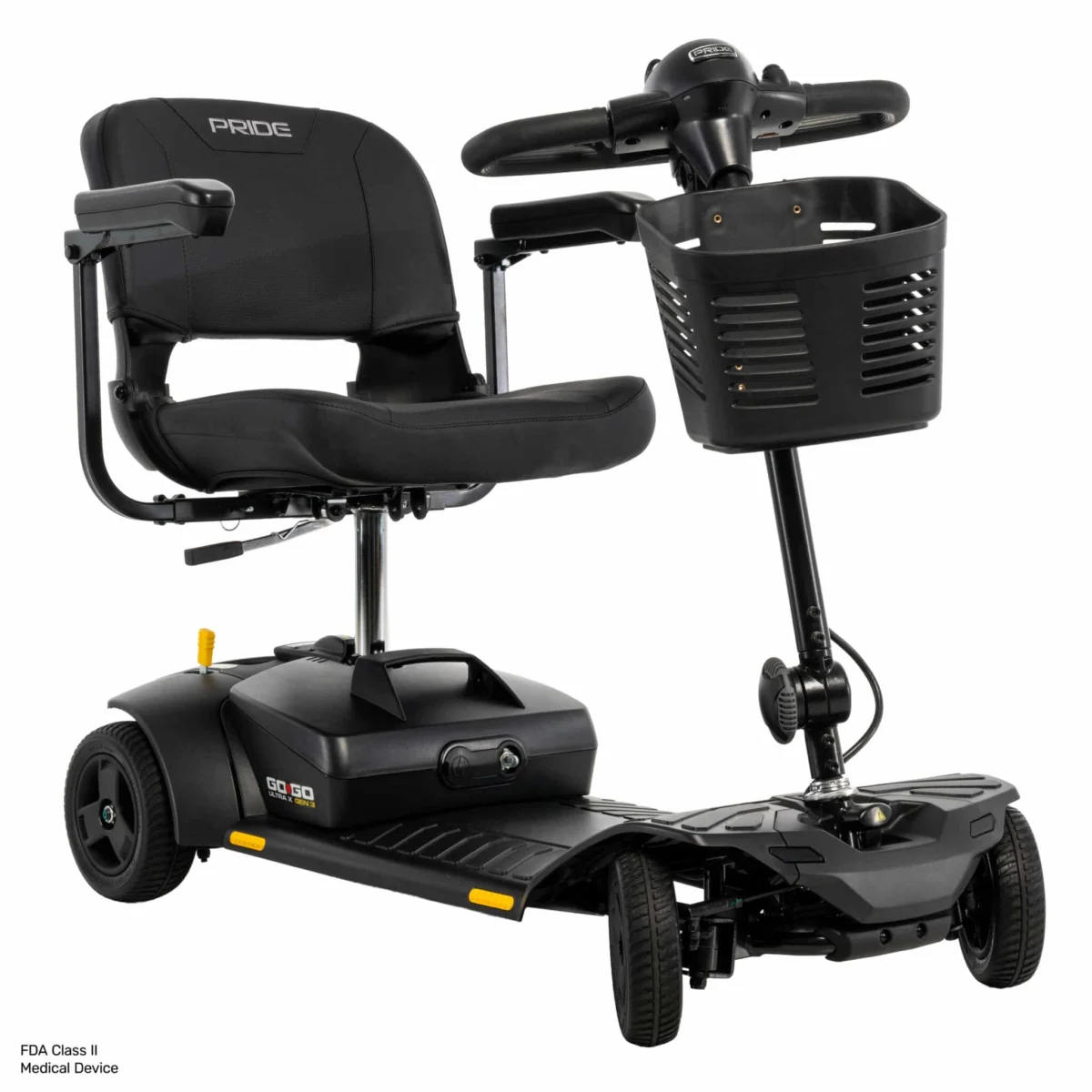
Duryea, PA – Pride Mobility, a global leader in the design and manufacturing of innovative mobility solutions, has officially announced the launch of the Go Go Ultra X Gen 3 scooter, marking a significant evolution for one of its most celebrated 4-wheel travel models. This next-generation scooter introduces a suite of enhancements designed to elevate user comfort, control, and convenience, reinforcing Pride Mobility’s commitment to empowering individuals with enhanced independence and an active lifestyle.
The Go Go Ultra X Gen 3 arrives with a completely revamped, modern deck design that immediately stands out. Beyond its aesthetic appeal, this redesign offers tangible benefits, including increased legroom and more pass-through space, crucial elements for user comfort during extended periods of use. The new deck surface is not only easier to clean but also features a specialized texture engineered for superior traction, ensuring greater safety and stability. Complementing these foundational improvements is the integration of a wraparound delta tiller, a feature lauded for its ergonomic versatility, providing multiple comfortable hand positions and intuitive control. The scooter also retains the popular feather-touch disassembly feature, simplifying transport and storage into five manageable pieces. With a robust 300-lb. weight capacity, a top speed of up to 4.3 mph, and a battery range of up to 8.9 miles, the Go Go Ultra X Gen 3 is poised to set a new standard in the competitive travel mobility scooter market.
Redefining Personal Mobility: The Go Go Ultra X Gen 3 in Detail
Pride Mobility’s latest offering, the Go Go Ultra X Gen 3, represents more than just an incremental update; it is a thoughtful reimagining of a beloved travel scooter, crafted to meet the evolving needs and expectations of modern users. The core philosophy behind its development centers on user-centric design, focusing on practical benefits that translate into a markedly improved daily experience.
The most prominent enhancement is undoubtedly the revamped, modern deck design. This isn’t merely a cosmetic facelift; it’s a functional overhaul. The increased legroom addresses a common pain point for scooter users, particularly those with taller frames or specific seating requirements, allowing for a more relaxed and natural posture. Coupled with more pass-through space, ingress and egress from the scooter become smoother and less restrictive, enhancing overall accessibility. The new deck surface, designed for easier cleaning, is a practical boon for maintenance, while its textured finish significantly boosts traction, minimizing the risk of slips and providing a more secure footing, especially during transfers or when traversing varied surfaces. This attention to detail underscores Pride Mobility’s understanding of the nuances that contribute to a user’s comfort and confidence.
Another cornerstone of the Gen 3’s design is the wraparound delta tiller. Already a popular feature on other Go Go models, its inclusion here speaks to its proven ergonomic advantages. Unlike traditional straight tillers, the delta tiller provides a broader range of grip options, allowing users to find the most comfortable hand position, which is vital for preventing fatigue on longer journeys. The intuitive wigwag control mechanism further enhances this flexibility, enabling users to operate direction effortlessly with their thumbs, forefingers, or a combination of both. This adaptability is particularly beneficial for individuals with varying hand strengths, dexterity issues, or conditions like arthritis, offering greater control and fostering a heightened sense of confidence while steering.
Crucially, the Go Go Ultra X Gen 3 retains the company’s highly praised feather-touch disassembly feature. This innovative design allows the scooter to be quickly and effortlessly separated into five lightweight pieces without the need for tools. The heaviest component weighs a mere 36.2 lbs., making it remarkably easy to lift and store in a car trunk, closet, or for air travel. This unparalleled portability is a game-changer for individuals who value spontaneity and wish to maintain an active lifestyle without the logistical challenges often associated with larger mobility devices. It transforms the scooter from a stationary aid into a versatile travel companion, unlocking new possibilities for excursions, errands, and visits with loved ones.
Beyond these key innovations, the Go Go Ultra X Gen 3 also boasts impressive performance specifications. With a 300-lb. weight capacity, it accommodates a broader range of users, ensuring inclusivity. A top speed of up to 4.3 mph strikes an optimal balance between brisk movement and safety, suitable for both indoor environments and outdoor pavements. The battery range of up to 8.9 miles (when tested at 220 lbs.) provides ample power for daily errands, social outings, and exploring local attractions, reducing range anxiety and enhancing user independence. A standard front basket adds practical storage for personal belongings, groceries, or essentials, further amplifying the scooter’s utility. The scooter’s HCPCS Code: K0800 – Group 1 Standard classification also indicates its eligibility for certain insurance coverage, making it more accessible to those who qualify for mobility assistance.
A Legacy of Innovation: The Chronology of Pride Mobility and the Go Go Series
Pride Mobility Products Corporation has a rich history spanning decades, established on the bedrock of a singular mission: to provide innovative, high-quality mobility products that enhance the lives of individuals with disabilities and mobility challenges. Founded in 1986 in Exeter, Pennsylvania, by its visionary founder and CEO, Scott Meuser, the company quickly grew from a small startup into a global powerhouse in the mobility industry.
From its inception, Pride Mobility distinguished itself by focusing on research and development, continuously pushing the boundaries of what mobility devices could offer. The company’s early success was built on its comprehensive range of power chairs, scooters, and lift chairs, all designed with an emphasis on comfort, durability, and user-friendliness. Pride’s unwavering commitment to customer satisfaction and product excellence rapidly solidified its reputation as a trusted brand worldwide.
The Go Go Travel Mobility line, introduced years ago, quickly became one of Pride Mobility’s most iconic and successful product families. Recognizing the burgeoning need for portable, easy-to-transport mobility solutions, Pride engineered the Go Go series to combine compact design with robust performance. The original Go Go scooters were revolutionary for their time, offering simple disassembly and a lightweight frame that allowed users to easily take their mobility device wherever they went. This freedom resonated deeply with an aging population and individuals with varying mobility needs who desired to maintain an active, independent lifestyle without being tethered to larger, less portable equipment.
The Go Go Ultra X model, specifically, emerged as a perennial favorite within this celebrated series. Its initial generations (Gen 1 and Gen 2, though not explicitly detailed in the original prompt, can be inferred as preceding the Gen 3) built a strong foundation of reliability and ease of use. These earlier models were praised for their sturdy construction, dependable performance, and the pioneering feather-touch disassembly feature that simplified transport. However, as user expectations evolved and design technologies advanced, there was a clear opportunity to refine and enhance the experience further. Feedback from users, distributors, and rehabilitation specialists consistently pointed towards desires for increased ergonomic comfort, more refined aesthetics, and enhanced safety features. These insights became the driving force behind the extensive research and development that culminated in the Go Go Ultra X Gen 3.
The journey to the Gen 3 reflects Pride Mobility’s iterative approach to product development, where each successive generation builds upon the strengths of its predecessors while addressing new challenges and incorporating cutting-edge innovations. The company’s commitment to continuous improvement ensures that its products remain at the forefront of the mobility market, adapting to changing lifestyles and technological advancements to better serve its global clientele.
Unpacking the Enhancements: Supporting Data and User Benefits
The Go Go Ultra X Gen 3’s specifications and design features are not arbitrary; they are the result of meticulous engineering and a deep understanding of user needs, translating directly into tangible benefits for daily living.
Ergonomic Deck Redesign: The increased legroom and pass-through space are critical for users who spend significant time on their scooter. Studies in ergonomics consistently show that proper leg positioning reduces strain on the hips, knees, and lower back, mitigating fatigue and discomfort. This improved space also facilitates easier mounting and dismounting, which is a major safety consideration, especially for individuals with limited flexibility or balance issues. The modern aesthetic of the deck also plays a psychological role, making the scooter feel less like a medical device and more like a personal transport vehicle. The textured, easy-to-clean surface is a practical triumph, offering not only improved hygiene but also enhanced foot stability during transfers, a crucial aspect for preventing accidental slips.
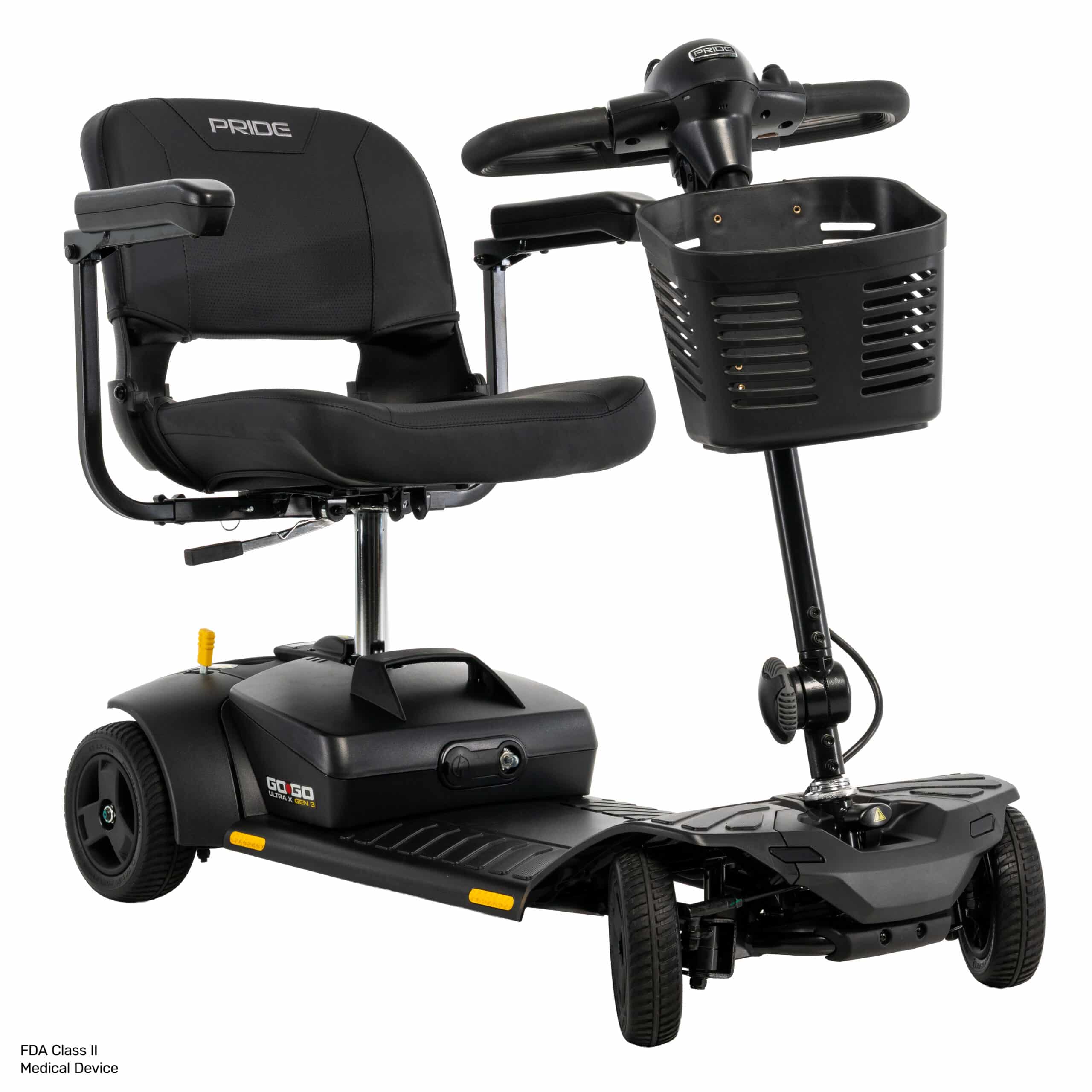
Adaptive Delta Tiller: The wraparound delta tiller is a hallmark of ergonomic design in mobility scooters. Its multi-positional grip significantly reduces the repetitive strain that can occur with traditional straight tillers. Users suffering from conditions such as arthritis, carpal tunnel syndrome, or general hand weakness will find the wigwag control particularly beneficial, as it allows for precise throttle and steering input using a variety of finger and thumb movements. This adaptability ensures that control remains comfortable and intuitive, even over longer distances, thereby increasing user confidence and overall safety. The ability to shift hand positions regularly prevents muscle fatigue and allows for a more relaxed, natural driving posture.
Unmatched Portability: The feather-touch disassembly feature, separating the scooter into five lightweight pieces with the heaviest at just 36.2 lbs., is a testament to intelligent engineering focused on maximizing user freedom. For context, 36.2 lbs. is comparable to a fully loaded carry-on suitcase, a weight manageable for many individuals or with minimal assistance. This ease of breakdown and reassembly removes the common barrier of transportation, allowing users to easily load the scooter into car trunks, taxis, or even onto airplanes (subject to airline regulations). This feature transforms travel logistics, enabling users to explore new places, visit family, or simply enjoy a spontaneous outing without the need for specialized vehicle modifications or cumbersome lifting equipment. The standard front basket, while seemingly minor, adds significant practical value, allowing users to carry groceries, personal items, or even small oxygen tanks, further enhancing the scooter’s utility in daily life.
Performance Metrics for Real-World Use: The 300-lb. weight capacity ensures that a broad spectrum of individuals can safely and comfortably utilize the scooter, promoting inclusivity. The top speed of 4.3 mph is ideal for maintaining a comfortable pace, whether navigating crowded shopping centers or enjoying a leisurely stroll in the park. It’s faster than average walking speed but not so fast as to compromise safety or control. The 8.9-mile battery range, while subject to factors like user weight, terrain, and battery age, provides substantial operational time for most daily activities, reducing the need for frequent recharges and offering peace of mind.
HCPCS Code K0800 – Group 1 Standard: This classification is vitally important for users seeking financial assistance for their mobility device. The Healthcare Common Procedure Coding System (HCPCS) codes are used by Medicare, Medicaid, and private insurance companies to identify medical supplies, equipment, and services. A K0800 code indicates a "standard mobility scooter," which typically refers to basic, compact, and highly maneuverable scooters. This classification generally means the Go Go Ultra X Gen 3 meets the fundamental criteria for medical necessity for individuals requiring assistance with mobility, making it potentially eligible for reimbursement, thereby improving affordability and access for many users.
Official Endorsements and User Perspectives
The launch of the Go Go Ultra X Gen 3 has been met with enthusiasm from within Pride Mobility and is anticipated to resonate strongly with the user community.
"At Pride Mobility, our guiding principle has always been to innovate with purpose, designing products that not only meet but exceed the expectations of our users," stated Meghan Seibel, Vice President of Product Development at Pride Mobility. "The Go Go Ultra X Gen 3 is a direct reflection of this commitment. We’ve listened intently to feedback from our loyal customers and dedicated dealers, and we’ve poured that insight into every aspect of this new scooter. From the expanded legroom and enhanced traction of the new deck to the ergonomic versatility of the delta tiller, every improvement is geared towards maximizing comfort, control, and independence. We are incredibly proud to offer a product that empowers individuals to live life to the fullest, without compromise."
Early feedback from a beta testing program also highlights the practical impact of the Gen 3’s enhancements. Eleanor Vance, a 68-year-old retired teacher and avid traveler who participated in the testing phase, shared her experience: "I’ve owned several mobility scooters over the years, and my previous Go Go Ultra X was a reliable companion. But the Gen 3 truly feels like a significant upgrade. The extra legroom is a blessing on longer outings, and I immediately noticed how much more comfortable the new tiller felt in my hands, especially with my arthritis. What truly sets it apart, though, is how effortless it is to take apart and put back together. My husband and I can easily load it into the car for weekend trips, giving me the freedom to explore places I thought were no longer accessible. It’s given me a new lease on my independence."
These sentiments underscore the product’s alignment with Pride Mobility’s mission and its potential to genuinely improve the quality of life for its users. The combination of expert design and real-world applicability solidifies the Gen 3’s position as a standout in the travel mobility segment.
Broader Implications and Future Outlook for Personal Mobility
The introduction of the Go Go Ultra X Gen 3 carries significant implications for both the personal mobility device market and the broader landscape of independent living.
Raising the Industry Standard: By integrating advanced ergonomic features, enhanced safety elements, and maintaining its renowned portability, Pride Mobility is effectively raising the bar for what consumers can expect from a travel mobility scooter. This move will likely prompt competitors to re-evaluate their own product offerings, fostering a climate of innovation across the industry. The emphasis on user comfort, particularly in areas like legroom and tiller design, highlights a growing trend towards more personalized and human-centered design in assistive technologies.
Empowering an Active Demographic: As global demographics shift towards an aging population, the demand for reliable, comfortable, and portable mobility solutions is on a continuous upward trajectory. The Go Go Ultra X Gen 3 directly addresses the needs of this active and discerning demographic, offering them the means to maintain their social engagements, pursue hobbies, and travel without significant limitations. This empowerment extends beyond mere physical assistance; it fosters psychological well-being by reducing feelings of isolation and increasing participation in community life. The ease of transport, in particular, unlocks unprecedented opportunities for travel and spontaneity, which are key drivers of quality of life for many seniors and individuals with mobility challenges.
Accessibility and Inclusivity: The HCPCS code K0800 classification also plays a crucial role in broader accessibility. By meeting the criteria for a "standard mobility scooter," the Gen 3 is positioned to be more readily available to individuals who rely on insurance coverage for such essential devices. This financial accessibility ensures that the benefits of its advanced features are not limited to a select few but can be enjoyed by a wider segment of the population, promoting greater inclusivity in society.
Future of Mobility: The innovations seen in the Go Go Ultra X Gen 3 hint at the future direction of personal mobility. Expect to see continued advancements in battery technology for extended ranges and faster charging, lighter and more durable materials for even greater portability, and potentially the integration of smart features like GPS tracking or remote diagnostics. As technology evolves, mobility devices will become even more seamlessly integrated into users’ lives, offering not just transportation but also enhanced connectivity and support. Pride Mobility, with its consistent track record of innovation, is well-positioned to continue leading these developments.
The Go Go Ultra X Gen 3 is more than just a new scooter; it’s a statement about the future of independent living. It embodies Pride Mobility’s enduring dedication to creating products that offer unparalleled freedom, comfort, and confidence, enabling users to navigate their world with renewed vitality. For more information on the Go Go Ultra X Gen 3 and other Pride Mobility products, interested parties are encouraged to contact their Pride sales representative.