










Published July 17, 2026
Long before the advent of climate-controlled, scent-diffused studios and high-traction, antimicrobial rubber flooring, the practice of yoga was defined by its proximity to the raw, untamed earth. Ancient yogis sought the silence of dense forests, the isolation of high-altitude mountain caves, and the rhythmic flow of riverbanks to facilitate deep meditation. These environments were not merely backdrops; they were considered integral components of the spiritual technology of yoga. The Yoga Sutras of Patanjali, a foundational text for practitioners globally, repeatedly references quiet, natural spaces as the ideal setting for observing the fluctuations of the mind—a process known as citta vritti nirodha.
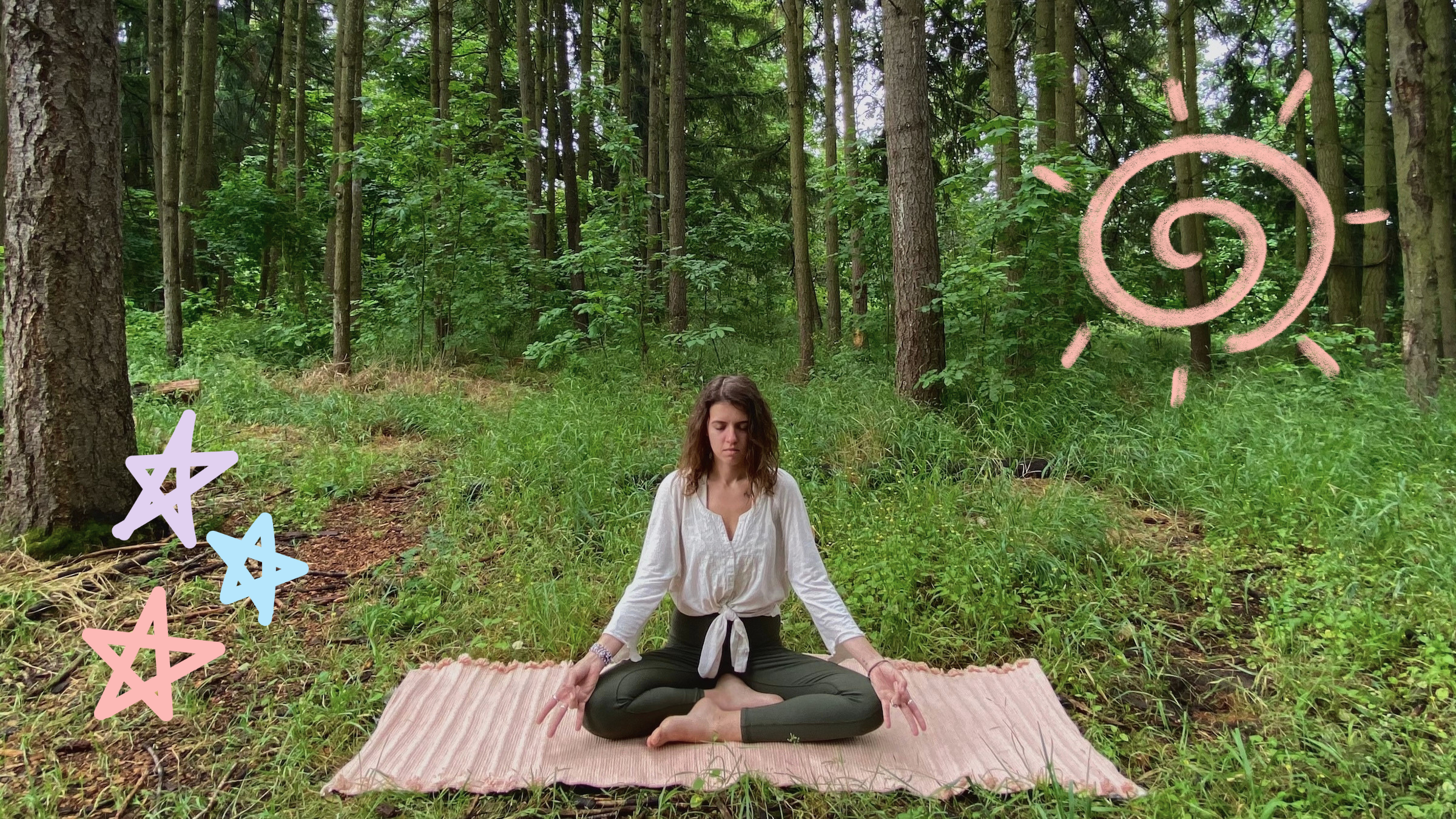
Yet, in the modern era, yoga has largely migrated indoors, sequestered within the four walls of urban studios. For many, this has created a disconnect between the practice and the environment it was originally designed to harmonize with. Seeking to bridge this gap, I embarked on a 30-day experiment: moving my entire daily practice outdoors. What began as a personal challenge to reconnect with the rhythms of the Pacific Northwest summer evolved into a profound re-examination of what it means to be a student of yoga in the 21st century.
The Chronology of the 30-Day Immersion
The transition from studio to backyard was not immediate. The first week was characterized by a struggle against habit. Accustomed to the "looming threat" of late-cancellation fees and the structured guidance of an instructor, I found my initial attempts at outdoor self-practice to be fragmented.
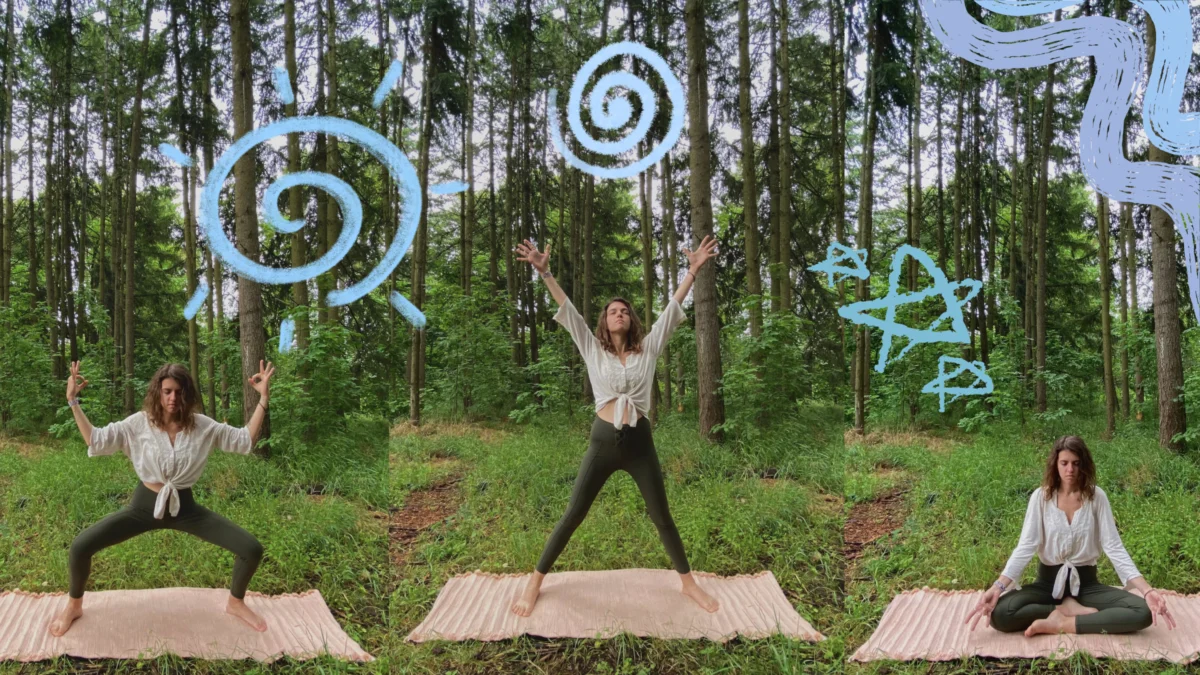
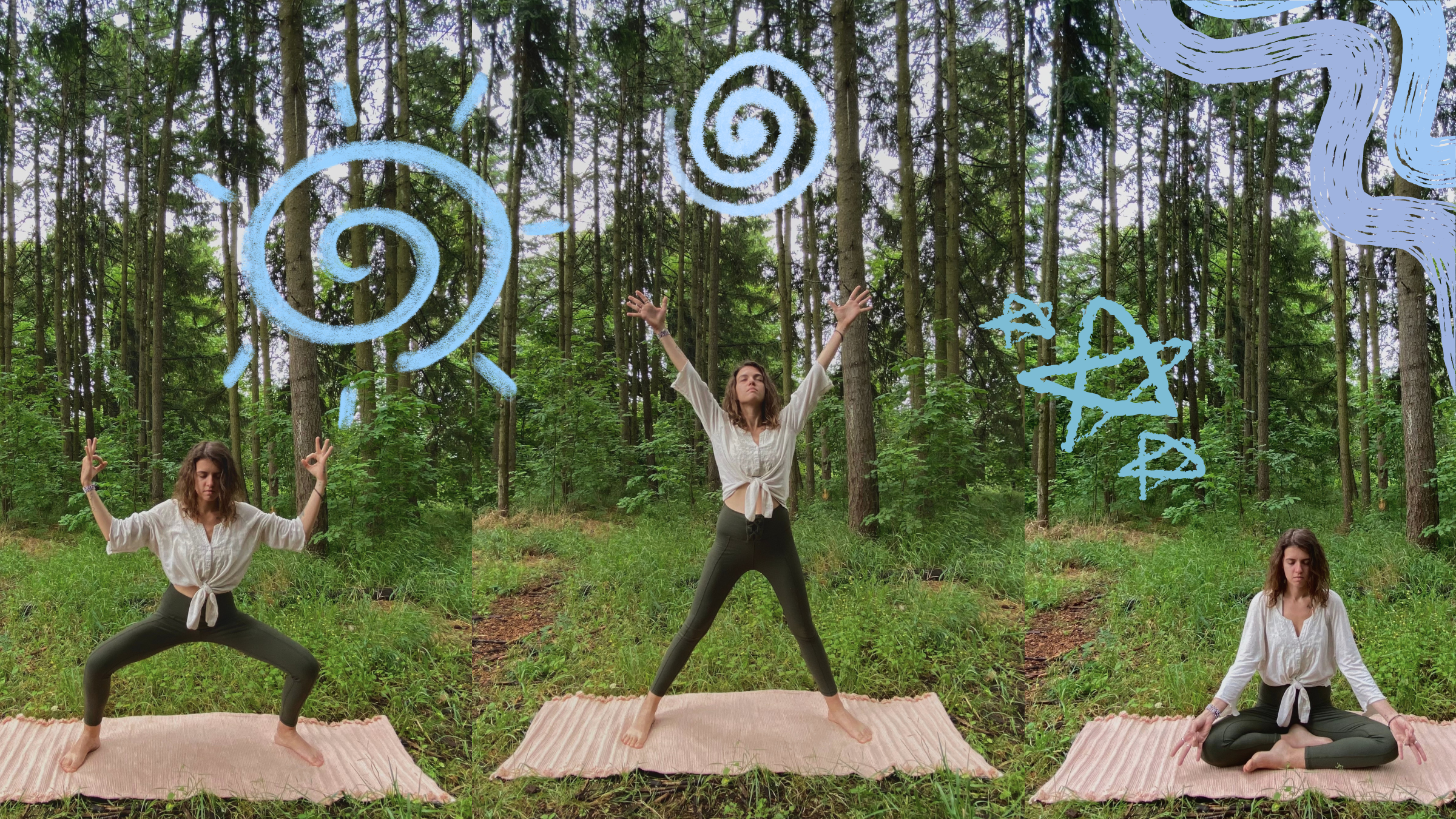
By the second week, the resistance began to wane. I moved my mat from the trunk of my car to my patio, creating a morning ritual that involved syncing my asana (posture) practice with the rising sun. By the third week, the sensory input of the outdoors—the shifting temperatures, the sounds of suburban life, and the unevenness of the terrain—shifted from being a "distraction" to becoming the primary focus of my meditation. By the final week, which coincided with the summer solstice, the distinction between "practicing yoga" and "living in the world" had blurred significantly.
Supporting Data and Observations: The Sensory Shift
The experiment was grounded in the realization that our modern obsession with comfort may be stifling the very growth yoga is intended to cultivate. During my month of practice, I documented several key observations that challenge the conventional studio-based narrative.
1. The Symphony of Sensory Input (Pratyahara)
Yoga philosophy teaches pratyahara, often translated as the withdrawal of the senses. In a studio, we practice this by ignoring the person in the next mat or the traffic outside. Outside, the volume of the world is turned up. Whether it was the mechanical drone of a neighbor’s lawnmower or the distant roar of a passing jet, the "commotion" of life became an inescapable reality.
I learned that pratyahara is not about creating a vacuum; it is about changing one’s relationship to external stimuli. By integrating these sounds into my awareness rather than attempting to filter them out, I found a deeper state of focus. The world is a constant cycle of birth, decay, and movement; by acknowledging this, the practitioner ceases to be an observer of life and becomes an active participant in it.
2. The Cultivation of Tapas (Heat and Adaptability)
We spend a significant portion of our lives engineering our environments for peak comfort. We avoid the dampness of morning grass, the chill of a breeze, or the intense glare of the sun. However, the yogic concept of tapas—the discipline required to endure and transform through adversity—is physically manifested in the outdoor experience.
Every time I practiced through a cool, damp morning or a gusty, unpredictable afternoon, I was forced to abandon the desire for a "perfect" session. This physical adaptability fostered a psychological resilience. By removing the climate control, I discovered that I am far more capable of enduring minor environmental stresses than I previously believed.
3. The Shift to Self-Reliance (Svadhyaya)
As a "recovering eldest daughter" and a Type-A personality, I have long relied on the "instruction-and-follow" model of studio classes. There is a distinct, addictive relief in having someone else dictate the sequence, the timing, and the breath.
Practicing outside, stripped of an instructor’s guidance, I was forced into svadhyaya—the practice of self-study. On days where I felt resistance to movement, I had to listen to my body’s actual needs rather than follow a prescribed flow. This transition from "performing" yoga to "listening" to yoga provided the most significant breakthrough of the 30-day experiment.
Expert Perspectives on Nature-Based Movement
While this was a personal account, the trend of moving yoga outdoors is supported by broader research in environmental psychology. Studies have shown that "Green Exercise"—physical activity performed in the presence of nature—leads to greater improvements in self-esteem and mood compared to exercise in indoor settings.
Dr. Elena Vance, a movement specialist, notes: "The modern yoga studio is a sanitized environment that prioritizes safety and predictability. While this is excellent for beginners, it can lead to a plateau in kinesthetic awareness. When you move onto uneven ground, your body is forced to engage stabilizer muscles that remain dormant on a flat, hardwood floor. You aren’t just practicing poses; you are developing a functional relationship with the earth."
Implications: The Future of the Practice
The implications of this experiment extend beyond the benefits of fresh air and Vitamin D. The 30-day period served as a stark reminder that the word yoga literally means "union." In our modern context, we have interpreted this as the union of mind and body, but the original intent was much broader: the union of the individual with the cosmos.
Reintegrating the Environment
The shift from indoor to outdoor practice requires a recalibration of our expectations:
- Accessibility vs. Immersion: While studios provide essential community and professional guidance, they should be viewed as training grounds rather than the end-all-be-all of practice.
- The Philosophy of Imperfection: Outdoor practice demands that we relinquish the pursuit of the "perfect" mat space. It teaches us that the practice is valid even when the grass is damp or the wind is intrusive.
- Ecological Awareness: By moving our practice into the living world, we begin to treat nature not as a scenic background, but as a silent partner. This transition is essential for those looking to deepen their connection to the environmental reality of our changing planet.
As my 30-day journey concluded on the summer solstice, I did not find myself wishing for the return of the air-conditioned studio. Instead, I found a newfound gratitude for the ability to step outside. My practice did not become "better" in terms of technical precision, but it became significantly more "real."
For the practitioner, the lesson is clear: The walls of the yoga studio are meant to be a threshold, not a boundary. Whether it is a local park, a backyard, or a forest clearing, the world is waiting to be included in the conversation. By stepping out of the shadows of the studio, we do not leave our yoga behind; we finally bring it home.