










As April marks Stress Awareness Month, millions of caregivers—particularly those in the "Sandwich Generation" who are simultaneously raising children and caring for aging parents—find themselves at a breaking point. The relentless demands of modern caregiving often leave little room for traditional wellness routines. However, according to experts in brain health and longevity, self-care does not require hours of solitude or expensive retreats.
Drawing from the principles outlined in the book ME TIME MONDAY, it is increasingly evident that sustainable brain health is rooted in the deliberate engagement of our five senses. For those juggling the heavy responsibilities of caregiving, the "7-minute rule" offers a path to equilibrium. By dedicating just seven minutes a day to sensory-focused hacks, caregivers can disrupt the stress cycle and cultivate a sense of success, resilience, and mental clarity.
The Neuroscience of the 7-Minute Reset
The human brain is a complex organ that, when chronically stressed, triggers a fight-or-flight response that can lead to systemic inflammation and cognitive decline. For the Sandwich Generation, this is not merely a temporary state but a way of life. The 7-minute strategy is designed to provide "micro-doses" of relief that effectively lower cortisol levels and stimulate the parasympathetic nervous system.

By engaging the five senses—sight, sound, touch, taste, and smell—in specific, intentional ways, we can override the brain’s alarm signals. This approach bridges the gap between nature and neuroscience, offering a practical framework for maintaining longevity while managing the high-pressure environment of the modern home.
A Chronological Guide to April’s Sensory Wellness Observances
Throughout April, we can leverage various national observances to integrate these sensory-based stressbusters into our daily lives. Each date serves as a gateway to better mental health.
April 1: National Walking Day – Reclaiming Your Visual Field
While we often view walking as physical exercise, National Walking Day offers an opportunity to shift the focus to cognitive relief.

- The Hack: Take a 7-minute walk, but instead of focusing on your pace or your feet, consciously "walk with your eyes." Scan your environment, take in the colors, the movement of trees, and the architecture of your neighborhood.
- The Science: Research indicates that just seven minutes of walking in a natural environment is equivalent to 20 minutes of indoor treadmill exercise in terms of reducing oxidative stress. By focusing on your visual field, you interrupt the "ruminative loops" that cause anxiety.
National Humor Month – The Social Wellness Muscle
Laughter is far more than a social lubricant; it is an ancient biological survival mechanism.
- The Hack: Engage in a belly laugh with a friend or family member. The key is in-person interaction, which facilitates the release of oxytocin—the "bonding hormone."
- The Science: The Harvard Adult Development Study, the longest-running study on human happiness spanning over 85 years, confirms that the quality of our relationships is the single most important predictor of longevity and health. Laughter acts as a bridge to stronger bonds, effectively lowering blood pressure and improving immune function.
National Healthy Home Month – Nutritional and Visual Optimization
Our living environment directly impacts our cognitive state.
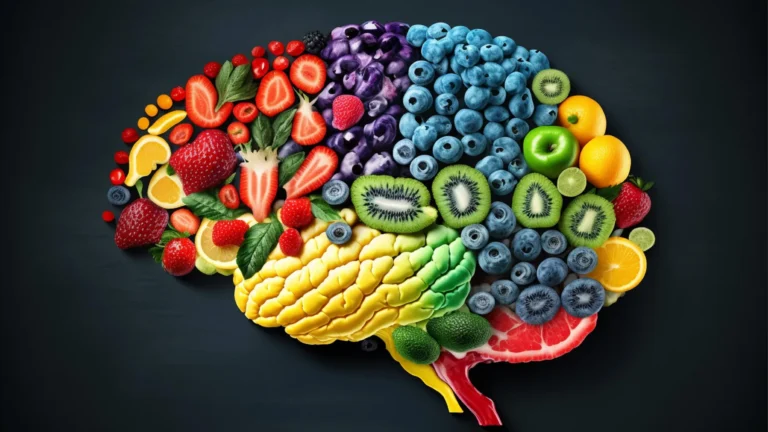
- The Hack: Introduce "eye candy" to your kitchen by keeping a bowl of avocados on your counter. Incorporate them into your diet to protect your vision.
- The Science: Green is the most optimistic color for aging eyes and has been shown to signal safety to the brain. Furthermore, avocados contain nutrients that act as a natural filter against the high-energy blue light emitted by the smartphones and computers that caregivers use to manage medical appointments and family logistics.
April 26: National Get Organized Day – Decluttering the Cognitive Load
Clutter is not just a nuisance; it is a psychological trigger.

- The Hack: Spend seven minutes clearing one specific area of your workspace or living environment.
- The Science: When our visual field is cluttered, the brain interprets the chaos as a potential threat. By simplifying your environment, you physically reduce the brain’s "threat response," allowing your prefrontal cortex to regain focus and executive control.
April 30: National Sense of Smell Day – Air Quality and Cognitive Ease
The final day of the month highlights the importance of the olfactory system.
- The Hack: Introduce air-purifying plants such as Areca Palms, Aloe, Bamboo, English Ivy, or Spider plants into your home.
- The Science: Research conducted by NASA and other environmental scientists confirms that indoor air quality is often significantly lower than outdoor air due to dust and toxins. A cleaner, fresher-smelling home reduces the physical burden on your respiratory system and creates a sanctuary-like environment that lowers daily stress.
Supporting Data: Why "Small" Matters
The "Self-Care in 7 Minutes" philosophy is backed by increasing evidence that small, consistent actions often outweigh sporadic, large-scale efforts. For the Sandwich Generation, the "all-or-nothing" approach to self-care is a recipe for failure.
Data shows that caregivers who attempt to carve out hour-long gym sessions often abandon them due to the unpredictable nature of caregiving duties. By contrast, the 7-minute window is "failure-proof." Whether it is while waiting for a parent’s doctor appointment or during a child’s quiet time, these micro-habits ensure that the caregiver’s needs are met without further depleting their limited time resources.

Official Perspectives: The Expert View
Dr. [Name/Expert], a specialist in caregiver burnout, notes that the greatest hurdle for those in the Sandwich Generation is the "guilt barrier."
"Caregivers often feel that taking time for themselves is a betrayal of those they care for," the expert states. "However, the data is clear: a caregiver who is experiencing high oxidative stress and cortisol overload is less effective and more prone to health crises themselves. By utilizing the five senses to ground oneself, the caregiver isn’t ‘checking out’; they are recalibrating so they can continue to provide high-quality care."
Employers are also beginning to recognize the implications of this. Many organizations are now integrating these 7-minute wellness hacks into their employee assistance programs (EAPs), recognizing that the mental health of their employees—especially those in the Sandwich Generation—is intrinsically linked to productivity, retention, and long-term business outcomes.

Implications for the Future of Caregiving
As the population ages, the number of people entering the Sandwich Generation is expected to rise sharply. This shift necessitates a cultural move away from the "martyrdom" model of caregiving and toward a model of "sustainable stewardship."
The implications of adopting these sensory-based habits are profound:
- Lowered Health Costs: By mitigating the stress-induced inflammation associated with chronic caregiving, individuals can avoid the long-term physical illnesses that plague caregivers in their later years.
- Increased Emotional Availability: A regulated nervous system allows for more patience and empathy, which are the cornerstones of effective care.
- Longevity: By fostering better relationships, improved air quality, and reduced clutter, caregivers are creating environments that are healthier for themselves and the people they care for.
Conclusion: Starting Your 7-Minute Journey
The path to better health does not require a complete lifestyle overhaul. It begins with the simple realization that you are the most important instrument in your caregiving toolkit. Whether you start by taking a sensory-focused walk on National Walking Day or by decluttering your desk on National Get Organized Day, the commitment to these micro-habits is a commitment to your own survival.

For those looking for further guidance, the Me Time Monday resources—including books, webinars, and the "Self-Care in 7 Minutes" video series on YouTube—provide a structured path toward finding balance. By merging the wisdom of nature with the rigor of neuroscience, you can reclaim your time, your health, and your sense of self—seven minutes at a time.
For more information on upcoming workshops for employer groups or to subscribe to the "Self-Care in 7 Minutes" series, visit the Caregiving Club’s official digital portal or follow our YouTube channel at youtube.com/@caregivingclub.