WASHINGTON, D.C. — In an era defined by a burgeoning mental health crisis among young adults, the conversation surrounding "self-care" is undergoing a radical transformation. No longer relegated to the realm of expensive spa retreats or luxury vacations, self-care is being reimagined by student advocates as a clinical necessity rooted in daily, micro-habits. Leading this shift is Yashvi Bharariya, a prominent voice within the Active Minds movement, who argues that the path to mental regulation begins not with grand gestures, but with the mundane consistency of a nighttime routine.
As the academic and professional pressures on Gen Z reach unprecedented levels, organizations like Active Minds are centering their advocacy on the "grounding" power of small routines. This shift comes at a critical juncture as students prepare to take their lived experiences to Capitol Hill, advocating for systemic changes like the Campus Lifeline Act.
Main Facts: The Deconstruction of Self-Care
For many, the term "self-care" has been hijacked by a multi-billion-dollar wellness industry, often creating a barrier to entry for the very individuals who need it most. Yashvi Bharariya, a student, storyteller, and member of the Active Minds Student Advisory Committee (SAC), highlights a growing consensus among youth advocates: the "social media version" of self-care—ten-step regimens and expensive products—is often a deterrent to actual mental wellness.
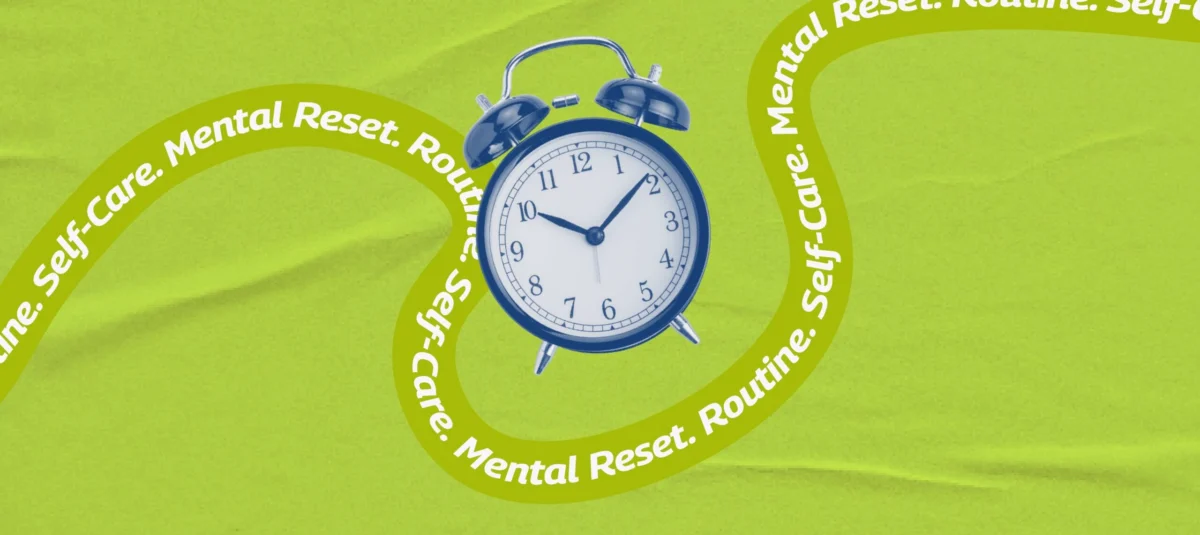
"When life gets busy, self-care is often the first thing to disappear," Bharariya notes. Her perspective reflects a broader trend within student populations where the pursuit of perfectionism in wellness has become another source of stress. The core of the modern self-care movement, as promoted by Active Minds, is the "reset button"—a simple, repeatable action that signals to the nervous system that the day’s external demands have ended.
For Bharariya, this reset is found in a basic skincare routine. The importance lies not in the dermatological benefits, but in the psychological "pause." It is a five-to-ten-minute window where the brain is permitted to disengage from deadlines, emails, and social obligations. This "micro-routine" serves as a foundational pillar for mental health, providing a sense of agency in a world that often feels chaotic.
Chronology: From Reactive to Proactive Wellness
The evolution of self-care from a luxury to a survival strategy has followed a distinct timeline over the last decade.

The Era of "Treat Yourself" (2010–2018)
In the early 2010s, self-care was largely popularized through the "treat yourself" mantra. It was reactive—something one did after a period of burnout. It usually involved consumption: a shopping trip, a heavy meal, or a day off. While beneficial in the short term, this model failed to address the underlying chronic stress of the modern student-athlete or student-worker.
The Pandemic Pivot (2020–2022)
The COVID-19 pandemic acted as a catalyst for change. As external structures (campus life, office routines, social gatherings) vanished, individuals were forced to create internal structures. It was during this period that the link between "daily routine" and "anxiety reduction" became a mainstream psychological focus. Students began to realize that without a self-imposed schedule, mental regulation was nearly impossible.
The Rise of Functional Advocacy (2023–Present)
Today, advocates like those on the Active Minds Student Advisory Committee are merging personal habits with national policy. The chronology has moved from personal survival to collective advocacy. In July 2026, student leaders are no longer just talking about "feeling better"; they are preparing to meet with policymakers on Capitol Hill to ensure that mental health resources are integrated into the very fabric of higher education.
Supporting Data: The Efficacy of the Routine
The push for daily routines is backed by significant clinical data. Research from UCLA Health suggests that daily routines are a primary defense against the physiological symptoms of anxiety. By automating certain parts of the day—such as a morning walk or a nighttime hygiene ritual—the brain reduces its "decision fatigue," lowering overall cortisol levels.
Key data points supporting this movement include:
- Stress Reduction: According to the American Psychological Association (APA), consistent routines help the body maintain its circadian rhythm, which is directly linked to mood stabilization and cognitive function.
- The Consistency Factor: A study published in the Journal of Abnormal Child Psychology found that family and individual routines were associated with increased resilience against environmental stressors.
- The Student Crisis: Recent surveys indicate that over 60% of college students meet the criteria for at least one mental health problem. In this high-stakes environment, "micro-habits" provide a low-barrier entry point for those who are too overwhelmed to seek traditional therapy.
Active Minds further supports this data through their "Nine Dimensions of Wellness" framework, which emphasizes that emotional and physical wellness are inextricably linked to one’s environment and daily habits.

Official Responses and Expert Insights
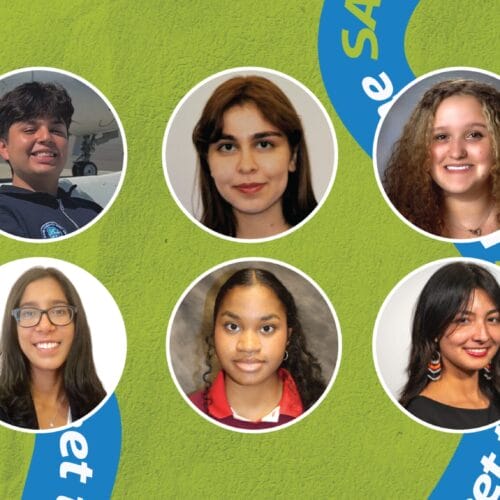
The shift toward sustainable self-care is being championed by a new cohort of student leaders. The Active Minds Student Advisory Committee (SAC) for the 2025-2026 term represents a diverse cross-section of young adults who are bringing these "small habit" philosophies to a national stage.
Nadira Akilo, a Biology major at the University of Texas at Austin and SAC member, emphasizes the cultural dimension of this work. Growing up in a community where mental health was often dismissed, Akilo views these small routines as a way to "bridge the gap" in understanding for minority communities. "I hope to be a voice of vulnerability and representation… making mental health discussions more accessible through pop culture," she states.
Varsha Penumalee, Co-President of Active Minds at VCU, adds that these individual habits must be supported by systemic change. Her work with NAMI Virginia and the Youth MOVE National Board focuses on expanding peer support, ensuring that when a student’s "daily routine" isn’t enough, there is a robust system of care ready to catch them.
Psychological experts at Active Minds are careful to draw a distinction: Self-care is a tool for maintenance, not a replacement for clinical treatment. "A skincare routine won’t eliminate anxiety, burnout, or depression," Bharariya clarifies in her dispatch. "But it can become one small habit that helps you feel grounded." This nuance is vital; it prevents the "toxic positivity" that suggests a person can "wash away" clinical depression with better hygiene.
Implications: From Personal Routines to National Policy
The implications of this "start small" philosophy are reaching the highest levels of government. The upcoming "Hill Day," organized by Active Minds, represents the culmination of personal self-care meeting public policy.
The Campus Lifeline Act
Student advocates are currently preparing to lobby for the Campus Lifeline Act, a piece of legislation aimed at providing federal funding for comprehensive mental health services on college campuses. The argument being made is that if students are doing the work of "daily maintenance" (self-care), the government must do the work of "structural support" (funding and resources).
Redefining Success in Higher Education
There is a growing movement to move away from the "grind culture" that celebrates sleep deprivation and overwork. By highlighting routines like Bharariya’s nighttime ritual, advocates are pushing universities to value "regulated students" over "exhausted achievers." This could lead to changes in how coursework is structured, the implementation of "wellness days," and better access to on-campus counseling.
The Power of Storytelling
As a storyteller and documentary filmmaker, Yashvi Bharariya represents a new breed of advocate who uses empathy to bridge gaps. The implication for the future of mental health advocacy is clear: personal narratives are the most effective tools for policy change. When a student tells a senator that a five-minute routine is what keeps them in school, it humanizes the statistics of the mental health crisis.
Conclusion: Starting Small for a Larger Future
The message from the 2025-2026 Student Advisory Committee is one of radical simplicity: Start small.
"Maybe tonight it’s washing your face. Maybe tomorrow it’s taking a five-minute walk," Bharariya suggests. This incremental approach is designed to combat the "all-or-nothing" mentality that leads to burnout. By reclaiming self-care as a series of small, imperfect, and consistent acts of "self-love," young adults are building a more resilient foundation for the challenges of the 21st century.
As the Active Minds delegation heads to Washington D.C., they carry with them more than just talking points; they carry a new cultural blueprint. It is a blueprint where mental health is prioritized not just in times of crisis, but in the quiet, five-minute moments before bed. In the words of the advocates themselves: "You don’t have to navigate life’s challenges alone," and sometimes, the first step toward a better world is simply taking a breath and washing your face.