For many, the first sign of spinal aging isn’t an acute injury, but a subtle, creeping sense of fragility. As we pass the age of 60, the physiological reality of our anatomy begins to shift. Muscles that were once taken for granted—those that support the spine, maintain our posture, and facilitate our independence—begin to atrophy if they are not consistently challenged.
"Lower back discomfort often starts long before pain ever appears," says Tyler Read, a veteran personal trainer with 15 years of experience in human performance. "After 60, the muscles that support your spine naturally weaken. Everyday tasks—bending to pick up a package, reaching for a high shelf, or even taking a brisk walk—start to feel more demanding, not because of an injury, but because the structural support system has been allowed to go dormant."
This article explores the science behind spinal health in later life, debunks the myth that expensive gym memberships are required for vitality, and provides a roadmap for regaining functional strength through five accessible home exercises.
The Anatomy of Stability: Why Isolated Back Training Fails
A common misconception among the aging population is that lower back pain should be treated by exercising the lower back directly. If your back hurts, the logic goes, you should strengthen your back.
However, functional movement experts argue that this is a fundamental error. "Many people mistakenly focus only on the lower back itself," Read explains. "But a healthy spine is a team player. It depends on much more than one muscle group. Your glutes, abdominal muscles, hips, and upper back all work together to stabilize the spine during movement. When one area becomes weak, the lower back often works overtime to compensate."
This phenomenon, known as compensatory strain, is the primary driver of chronic discomfort. When the glutes are weak, the lower back must provide the force to stand up from a chair. When the core is unstable, the lower back must act as a rigid brace rather than a flexible support. By strengthening the entire "support system"—the core, hips, and posterior chain—you effectively offload the pressure from your lumbar vertebrae.
Chronology of Decline vs. The Path to Recovery
The biological decline of musculoskeletal tissue in adults over 60 is largely tied to a process called sarcopenia—the age-related loss of muscle mass and strength. Without deliberate resistance training, an individual can lose 3% to 5% of their muscle mass per decade after age 30, with that rate accelerating significantly after age 60.
The Cycle of Inactivity
- The Sedentary Trap: As tasks become harder, people move less to avoid discomfort.
- Atrophy: Reduced movement leads to muscle wasting, particularly in the glutes and core.
- Compensatory Stress: The lower back takes on the burden of daily movement, leading to stiffness and fatigue.
- Chronic Discomfort: The resulting pain leads to further avoidance of movement, completing the cycle.
The Path to Restoration
The recovery process is not about "bulking up," but about "waking up." Through consistent, functional movement patterns, individuals can reverse the symptoms of weakness. By introducing specific, body-weight-based movements 3–4 times per week, the body undergoes neuromuscular adaptation, improving coordination, balance, and core engagement.
5 Essential Movements for Spinal Resilience
Below are the five foundational exercises recommended for adults over 60 to build long-term spinal health.
1. Bird Dog: The Foundation of Neutral Stability
The Bird Dog is arguably the gold standard for spinal stabilization. It requires the individual to maintain a flat, neutral back while moving the limbs, which forces the deep stabilizers of the spine to fire in unison.
- Why it works: It teaches the brain to decouple limb movement from spinal movement, preventing the "swayback" motion that often leads to injury.
- The Benefit: Enhanced core stability and improved confidence when reaching or lifting objects.
2. Glute Bridges: Relieving the Lumbar Burden
If you sit for long periods, your glutes are likely "asleep." The Glute Bridge is the most effective way to re-engage these muscles.
- Why it works: It isolates the gluteus maximus, the primary mover for hip extension. When your glutes are strong, they handle the load of standing up, sparing your lower back from the effort.
- The Benefit: Reduced stiffness in the lower back and improved ease when rising from chairs or climbing stairs.
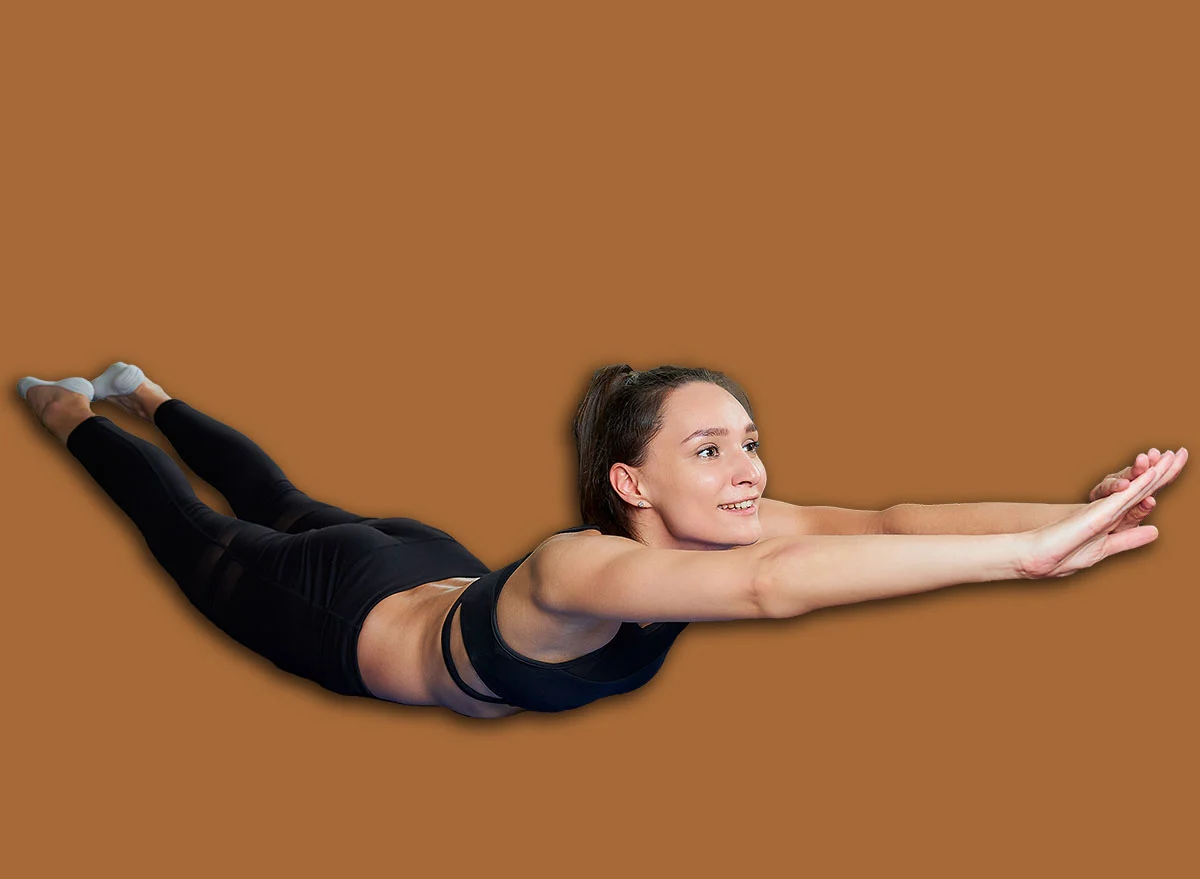
3. The Superman Lift: Strengthening the Posterior Chain
The muscles running parallel to your spine (the erector spinae) are responsible for keeping you upright.
- Why it works: By gently lifting the chest and limbs off the floor while prone, you build endurance in the entire back chain.
- The Benefit: Better posture and the ability to stand for longer durations without fatigue. Note: Keep the range of motion small; control is the objective, not height.
4. Dead Bug: Core Strength Without Spinal Strain
Many people attempt sit-ups to "fix" their backs, but traditional sit-ups often exacerbate lumbar pain by pulling on the vertebrae. The Dead Bug is the safer, more effective alternative.
- Why it works: It challenges the deep abdominal muscles (the transverse abdominis) to keep the spine pressed firmly against the floor while the limbs move.
- The Benefit: A "corset" of muscle that protects the spine from the inside out, improving overall balance.
5. Standing Hip Hinge: Practical Mechanics for Daily Life
The hip hinge is the "master skill" of functional movement. It is the mechanic of bending over to pick up groceries or gardening supplies without rounding the back.
- Why it works: It teaches you to push your hips back rather than bending at the waist.
- The Benefit: It effectively "bulletproofs" the back for real-world activities, drastically reducing the risk of acute strains.
Implications for Long-Term Mobility
The implications of building this strength go far beyond the prevention of back pain. In the field of gerontology, the ability to maintain independent movement is the single greatest predictor of quality of life.
When you strengthen the support system of the spine, you aren’t just protecting your back—you are protecting your lifestyle. You are ensuring that you can play with grandchildren, travel without dreading a long flight, and maintain your home without the constant fear of a "thrown-out" back.
Professional Guidance
As with any new exercise program, it is vital to consult with a physician, especially if you have a history of herniated discs, osteoporosis, or spinal stenosis. Start slowly, focus on the quality of the movement, and remember the words of Tyler Read: "The goal is not to be a bodybuilder; it is to be capable. Consistent, small, deliberate movements are the key to feeling stronger tomorrow than you did today."
By integrating these five movements into your weekly routine, you move away from a defensive posture—constantly guarding against pain—and toward a proactive, resilient lifestyle that embraces movement as a source of health rather than a source of stress.