










In a decisive move to curb the rising tide of cardiovascular disease, the American College of Cardiology (ACC) and the American Heart Association (AHA) have issued their first comprehensive update to clinical guidance on blood cholesterol management since 2018. Unveiled on March 28 at the ACC’s 75th Annual Scientific Session in New Orleans, these recommendations represent a fundamental shift in how clinicians assess, screen, and treat lipid-related cardiovascular risk.
The guidelines, published simultaneously in the Journal of the American College of Cardiology and Circulation, arrive alongside a pivotal paper titled, "The ABCs of Cardiovascular Disease Prevention: Communicating What We Know in 2026," featured in the American Journal of Preventive Cardiology. Together, these documents provide a modernized framework that prioritizes aggressive, personalized, and early-life intervention to combat atherosclerosis.
A Chronology of Clinical Evolution
The journey to these 2026 guidelines reflects a decade of evolving cardiovascular science. Since the 2018 standards, medical research has increasingly moved away from a "one-size-fits-all" approach to cholesterol management.
- 2018: The previous landmark guidelines established the foundation for using statins and non-statin therapies based on risk categories.
- 2020–2024: A period marked by the integration of large-scale clinical trials, such as the VESALIUS-CV, which explored the efficacy of intensive lipid-lowering therapies in patients with moderate atherosclerosis.
- 2025: Extensive data collection from the PREVENT risk calculator project synthesized records from over 6.6 million individuals, moving beyond the limited 26,000-person cohort used in older models.
- March 2026: The formal release of the new guidelines at the ACC 75th Annual Scientific Session, setting the gold standard for clinical practice for the remainder of the decade.
The Core Mandate: Lowering LDL and Personalized Risk
At the heart of the new guidance is a renewed emphasis on the "lower is better" philosophy regarding low-density lipoprotein (LDL) cholesterol. Dr. Roger S. Blumenthal, chair of the guideline writing committee and director of the Johns Hopkins Ciccarone Center for the Prevention of Cardiovascular Disease, explains that the goal is not merely to treat disease, but to optimize vascular health throughout the life course.
"We know that lower LDL cholesterol levels are better when it comes to reducing the risk of heart attacks, strokes, and congestive heart failure," says Dr. Blumenthal. "We also know that bringing elevated lipids and blood pressure down in young adults supports optimal heart and vascular health throughout a person’s life."
The guidelines demand a departure from generic risk assessments. Clinicians are now urged to integrate a patient’s unique history—including genetic predispositions, obstetric history, and underlying inflammatory conditions—into their treatment plans.
Supporting Data: Why Early Intervention is Critical
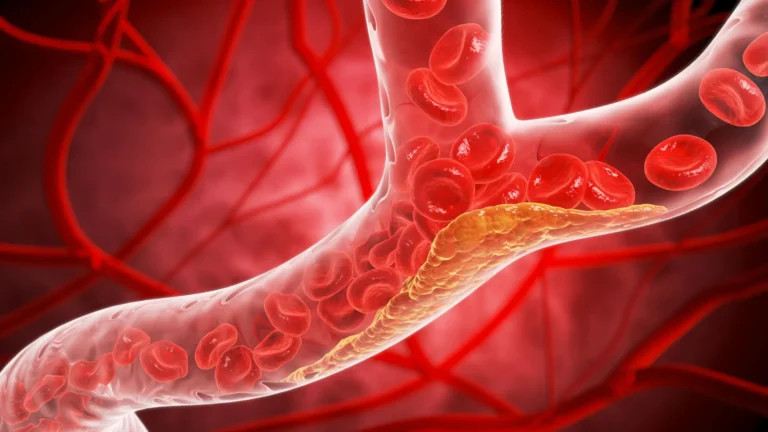
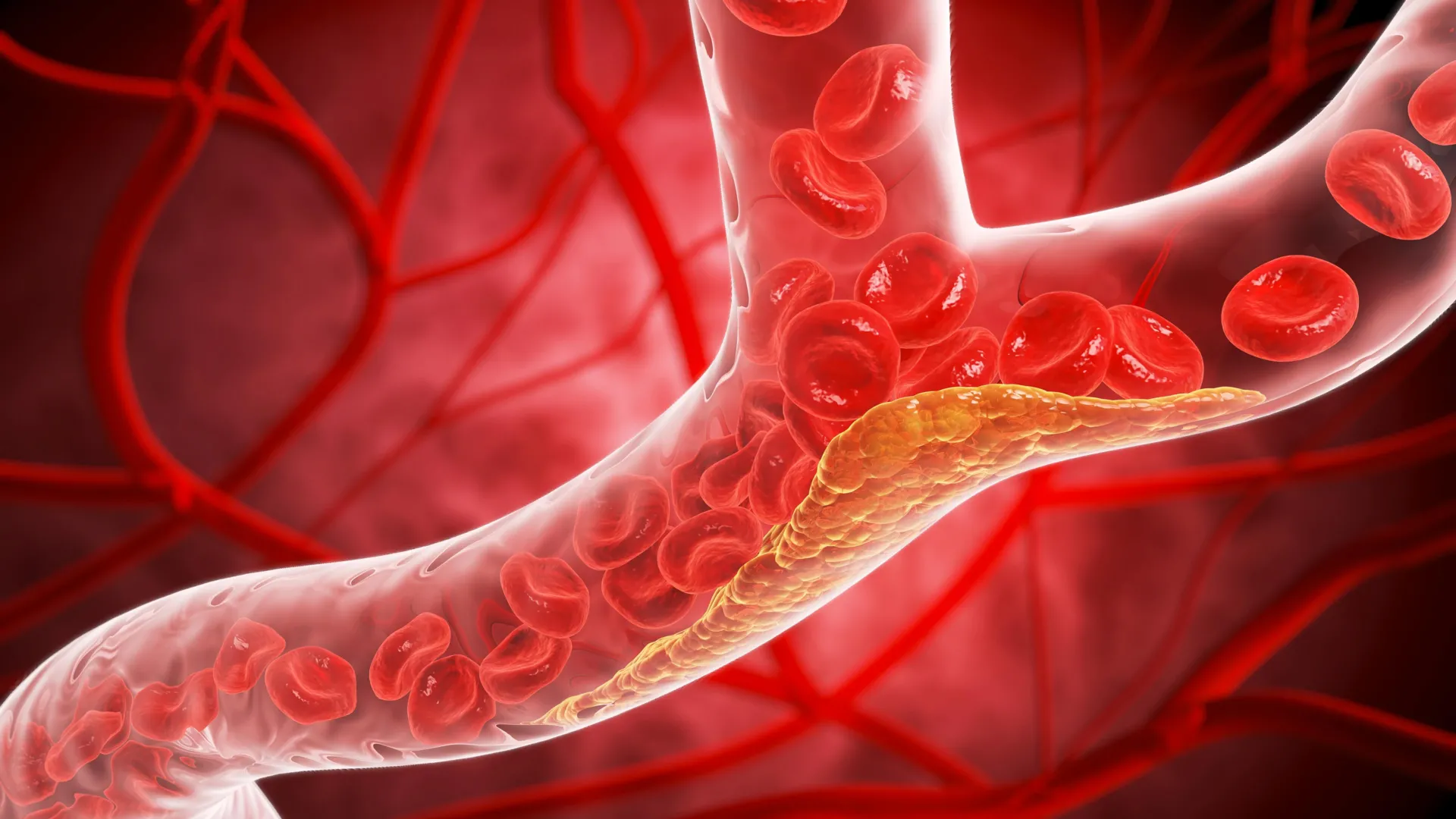
The urgency of these guidelines is underscored by sobering statistics: approximately 1 in 4 adults in the United States currently lives with elevated LDL-C. This prevalence contributes significantly to atherosclerosis, the silent process where lipid buildup forms plaques in artery walls. If these plaques rupture, they can trigger acute events such as myocardial infarction (heart attack) or ischemic stroke.
The Role of Genetics and Lp(a)
One of the most significant changes in the 2026 guidelines is the integration of lipoprotein(a) or Lp(a) screening. Elevated levels of Lp(a) are genetically inherited and are associated with a 40% increased risk of heart disease at levels of 125 nmol/L, with that risk doubling at 250 nmol/L.
Furthermore, the guidelines mandate earlier screening for familial hypercholesterolemia. For those with this genetic predisposition, screening is now recommended to begin as early as age 9. This shift acknowledges that delaying intervention until middle age often misses the critical window to prevent lifelong arterial damage.
The PREVENT Calculator: A Technological Leap
Perhaps the most significant diagnostic update is the introduction of the "Predicting Risk of Cardiovascular Disease EVENTs" (PREVENT) calculator. The previous risk assessment tools were limited to a 10-year outlook for individuals over the age of 40.
The PREVENT tool dramatically expands this scope:
- Expanded Data Set: Derived from 6.6 million patient records, offering significantly higher predictive accuracy.
- Comprehensive Metrics: It incorporates blood sugar levels and kidney function alongside traditional age, cholesterol, and blood pressure markers.
- Earlier Utility: The calculator is now designed for use starting at age 30, allowing clinicians to identify cardiovascular risk a full decade earlier than previously possible.
Dr. Seth Martin, a cardiologist and member of the writing committee, notes the importance of this shift: "Shifting the paradigm toward proactive prevention strategies earlier in life can meaningfully change the trajectory of cardiovascular disease and lead to better health outcomes for people decades later."
Official Responses and Clinical Implications
The medical community has largely embraced the guidelines as a necessary modernization of cardiology. By incorporating "risk enhancers"—such as high-sensitivity C-reactive protein (hsCRP) for inflammation, coronary artery calcium scans, and history of preeclampsia or gestational diabetes—the guidelines provide clinicians with a more granular view of patient health.
Treatment Targets and Pharmacological Expansion
The guidelines also clarify treatment targets, acknowledging that different risk tiers require different levels of intervention:
- Low/Intermediate Risk: Aim for LDL-C below 100 mg/dL.
- Intermediate Risk: Aim for LDL-C below 70 mg/dL.
- High Risk: Aim for LDL-C below 55 mg/dL.
The pharmacological toolbox has also expanded. While statins remain the cornerstone of treatment, the 2026 guidance explicitly includes ezetimibe, bempedoic acid, and PCSK9 monoclonal antibodies as validated options for patients who are statin-intolerant or require more aggressive reductions to reach their targets.
Lifestyle: The Unchanging Foundation
Despite the advanced pharmacological and diagnostic tools, the guidelines maintain that lifestyle modification remains the most effective intervention. Experts reiterate that 80% to 90% of cardiovascular disease is, at least in part, linked to modifiable factors. A balanced diet, regular physical activity, tobacco cessation, adequate sleep, and weight management remain the primary pillars of heart health.
Future Outlook: The Path Toward 55 mg/dL
The release of these guidelines is not an endpoint but a trajectory. The accompanying editorial in the American Journal of Preventive Cardiology hints at an even more aggressive future. Based on findings from the VESALIUS-CV trial, there is a growing consensus that for individuals with established or moderate atherosclerosis, pushing LDL-C levels even lower—consistently below 55 mg/dL—may become the standard for preventing future events.
As healthcare systems begin to implement these standards, the emphasis will be on "shared decision-making." By providing patients with more detailed data through the PREVENT calculator and clearer imaging of their arterial health, doctors hope to foster a partnership that empowers patients to take ownership of their cardiovascular trajectory.
The 2026 Guideline on the Management of Dyslipidemia serves as a vital blueprint for the next generation of heart care. By prioritizing early screening, embracing genetic markers, and utilizing data-driven risk assessment, the ACC and AHA are setting a new standard that promises to improve the quality and length of life for millions of Americans. As Dr. Blumenthal concluded during the New Orleans session, the goal is clear: to ensure that heart disease is treated not as an inevitable consequence of aging, but as a manageable, and often preventable, condition.