The release of the 9th edition of the Dietary Guidelines for Americans (2020-2025) represents a significant milestone in public health policy. Spanning nearly 150 pages, this comprehensive document serves as the cornerstone for federal nutrition programs, healthcare providers, and policy architects. With the overarching mandate to "Make Every Bite Count," the latest edition marks a departure from traditional, rigid food-group mandates, moving instead toward a philosophy of holistic dietary patterns that acknowledge the complexities of modern life.
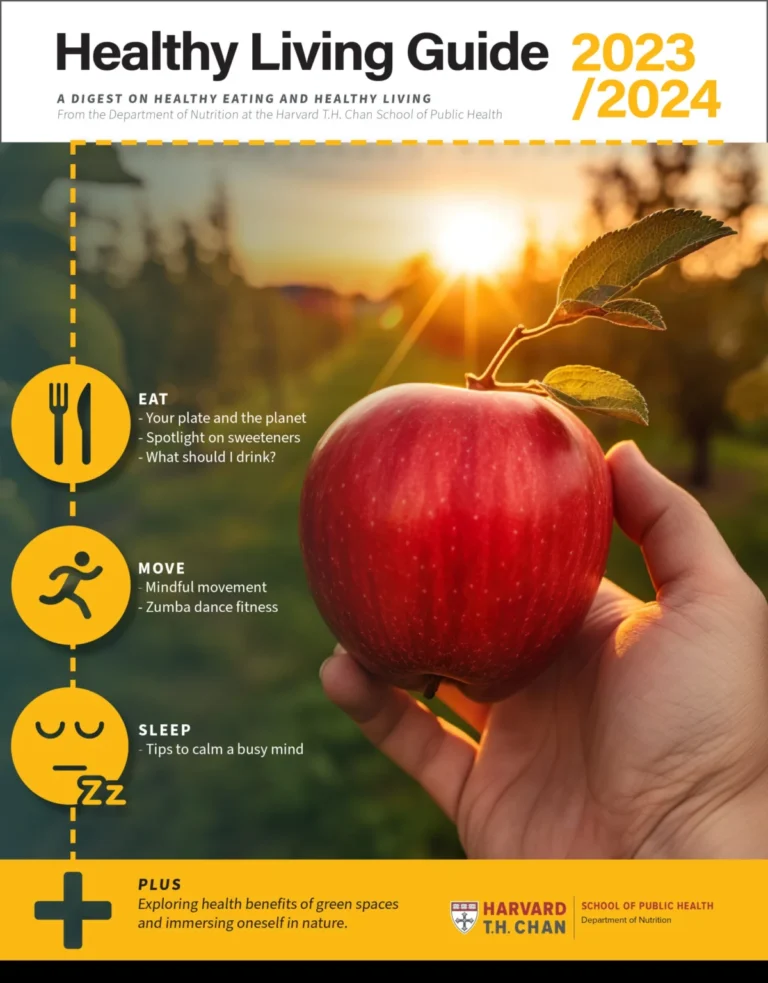
However, as the guidelines move into circulation, they have ignited a robust debate among public health experts. While the document succeeds in providing a flexible framework for diverse populations, critics—including leading researchers at Harvard T.H. Chan School of Public Health—argue that the guidelines remain tethered to outdated industrial models, failing to address the urgent intersection of human health and environmental sustainability.
The Evolution of Federal Nutrition Policy
To understand the current iteration of the Dietary Guidelines, one must look at the trajectory of American nutrition policy over the last decade. Since the 2015-2020 cycle, the federal government has pivoted away from focusing on isolated nutrients or the pursuit of "superfoods." Instead, the current guidelines emphasize the cumulative impact of daily dietary patterns.
The 2020-2025 edition expands this scope significantly, providing life-cycle-specific guidance for the first time. It addresses nutritional needs from infancy and early childhood through pregnancy, lactation, and into older adulthood. This granular approach acknowledges that a "one-size-fits-all" model is insufficient for a nation as diverse as the United States. Furthermore, the guidelines explicitly instruct nutrition educators to consider the socio-economic reality of the American consumer, including factors such as cultural traditions, food access, budget constraints, and personal belief systems.
Chronology: From Concept to Implementation
The development of these guidelines is a multi-year, rigorous process involving the U.S. Department of Agriculture (USDA) and the Department of Health and Human Services (HHS).
- Preparation Phase: Committees review existing scientific literature to identify gaps and updates.
- Scientific Report: An independent advisory committee compiles evidence-based recommendations.
- Public Comment: The draft undergoes rigorous public scrutiny to ensure transparency and accountability.
- Final Publication: The federal agencies harmonize the science with policy goals, resulting in the final document.
This cycle, however, is often criticized for the time lag between the emergence of new nutritional science and the formal adoption of policy. Critics argue that by the time the guidelines are published, the scientific consensus on certain issues—such as the environmental impact of industrial agriculture—has already shifted, rendering the guidelines slightly out of step with contemporary global crises.
Supporting Data and Key Recommendations
The 2020-2025 guidelines maintain the "Healthy U.S.-Style Dietary Pattern," which prioritizes nutrient-dense foods across all categories. The core components remain familiar: a focus on vegetables, fruits, grains (at least half of which should be whole grains), fat-free or low-fat dairy, and a variety of protein foods.
The Numbers to Watch
The guidelines maintain strict, evidence-based caps on three primary dietary culprits:
- Added Sugars: Recommended to be less than 10% of calories per day for individuals 2 years and older.
- Saturated Fat: Recommended to be less than 10% of calories per day for those 2 years and older.
- Sodium: Recommended to be less than 2,300 milligrams per day for adults, with even stricter limits for children younger than 14.
These metrics are essential for managing the prevalence of chronic diseases, including obesity, type 2 diabetes, and cardiovascular conditions. Yet, the framing of these recommendations remains a point of contention. By focusing heavily on the "Healthy U.S.-Style Pattern," the guidelines tacitly validate a diet that remains disproportionately high in animal-based proteins, specifically meat, eggs, and dairy.
The Sustainability Gap: Official Responses and Expert Critique
Perhaps the most vocal criticism of the 2020-2025 guidelines comes from Dr. Walter Willett, Professor of Epidemiology and Nutrition at the Harvard T.H. Chan School of Public Health. Dr. Willett has been a prominent voice in calling for a more modern, science-based approach to the American diet.
The Missing Piece: Climate Change
The most glaring omission in the current guidelines is the lack of consideration for the environmental consequences of food production. While other international guidelines have begun incorporating the concept of "sustainable diets," the U.S. federal government has remained notably silent.
"Guidance that considers scientific evidence on specific protein sources and health, and also the environmental consequences of dietary patterns, is needed," says Dr. Willett. "The current Dietary Guidelines fail to do this."
The production of animal-based foods, particularly beef and dairy, carries a massive greenhouse gas footprint. By failing to acknowledge that plant-based proteins offer both superior health outcomes and a significantly lower carbon footprint, the guidelines miss an opportunity to lead the public toward a more sustainable future.
The "Dairy Fantasy"
The recommendation of three servings of dairy per day is a point of specific concern for researchers. Dr. Willett points out that this requirement is not supported by robust evidence regarding long-term health outcomes. Furthermore, the push for low-fat and fat-free dairy products creates a logistical and economic contradiction.
If consumers are encouraged to switch to low-fat dairy, the discarded dairy fat must go somewhere. "Because the disposal of dairy fat would be hugely wasteful, it would almost certainly remain in the food supply, which makes this recommendation somewhat of a fantasy," notes Dr. Willett. He argues that for the guidelines to be truly effective, they should pivot toward plant-based alternatives, such as soy milk, which can provide necessary nutrients without the disproportionate greenhouse gas emissions associated with intensive dairy farming.
Implications for Public Health and Policy
The implications of these guidelines are far-reaching. They dictate the menus of school lunches, the requirements for WIC and SNAP benefits, and the nutritional standards for hospitals and military bases. When the guidelines prioritize "lean meats" without explicitly warning against processed meats, the ambiguity can be exploited.
The Trap of "Lean" Meats
While the guidelines clarify in the fine print that consumers should opt for fresh, whole-food proteins over processed meats like sausages, hot dogs, and deli meats, this advice is often lost in the summary. For a consumer on a budget, the word "lean" can be misinterpreted to include processed products that are marketed as "low-fat."
This is particularly dangerous for lower-income populations, who are already at a higher risk for diet-related diseases. The failure to clearly prioritize legumes, nuts, and fish over processed animal proteins is a missed opportunity to reduce systemic health disparities.
Toward a More Robust Future
The 2020-2025 Dietary Guidelines for Americans offer a useful, if limited, roadmap for healthy eating. They provide flexibility and acknowledge the multifaceted nature of human nutrition. However, they stop short of the radical transparency required to address the twin crises of the modern era: the epidemic of diet-related chronic illness and the existential threat of climate change.
To remain relevant, future editions of the guidelines must move beyond the status quo. This includes:
- Integrating Sustainability: Acknowledging that the health of the individual is inseparable from the health of the planet.
- Clearer Protein Guidance: Explicitly prioritizing plant-based proteins and minimizing the recommendation of processed meats.
- Evidence-Based Dairy Policy: Moving away from arbitrary serving requirements that are not supported by the latest clinical research.
Ultimately, the guidelines are a tool for the public. As we look toward the next cycle, the goal must be to provide citizens with information that is not only nutritionally sound but also socially and environmentally responsible. By closing the gap between outdated industrial preferences and the realities of modern science, the federal government can finally provide a set of guidelines that truly "make every bite count" for both the consumer and the world they inhabit.