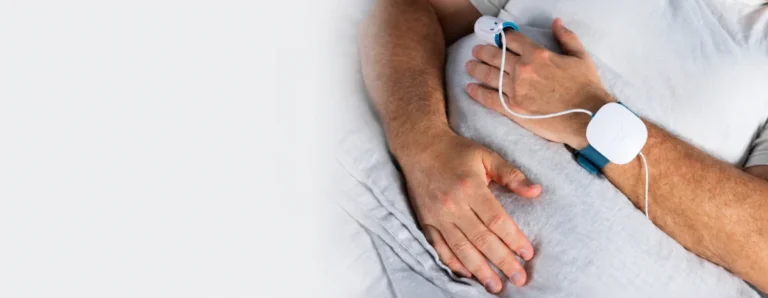
In an era where technology is rapidly intersecting with healthcare, the challenge of monitoring the aging population has long been tethered to intrusive methods. From cumbersome wearable devices that are often forgotten or misplaced, to video surveillance that raises significant privacy concerns, caregivers have historically struggled to balance safety with dignity.
Iveda, a global leader in artificial intelligence (AI)-driven video analytics and smart city solutions, is aiming to dismantle these barriers. The company recently announced a major expansion of its "IvedaCare" platform with the introduction of "Sleep Sense." This contactless, overnight wellness sensor provides a sophisticated, privacy-first approach to monitoring the health of older adults, effectively turning the bedroom into a data-rich environment for proactive care.
The Core Innovation: Passive Monitoring Without the Privacy Trade-off
The primary innovation of Sleep Sense lies in its invisible footprint. By utilizing advanced radar-based technology, the system captures vital signs and behavioral data without the use of cameras, microphones, or wearables. For older adults, particularly those experiencing cognitive decline or discomfort with modern technology, this represents a paradigm shift.
"Sleep is one of the earliest places health changes show up—and one of the last places senior care thinks to look," says David Ly, CEO and founder of Iveda. "When you can monitor it passively every night, without waking anyone or asking them to wear a device, you start to see patterns that can surface a health change weeks before it becomes a crisis. That’s what we’ve built into the new IvedaCare Kit, and it’s what senior care has needed for a long time."
Chronology: The Evolution of IvedaCare
Iveda’s journey toward the development of Sleep Sense did not occur in a vacuum. It is the result of years of refinement in sensor technology and AI data processing.
- Foundation Phase: Iveda established its reputation through smart city infrastructure, developing sophisticated AI analytics that could interpret visual data in real-time for security and traffic management.
- The Pivot to Healthcare: Recognizing that the same AI engines used for municipal safety could be repurposed for individual well-being, the company pivoted to create IvedaCare. The initial platform focused on movement detection and general environment monitoring.
- Research Partnerships: The development was accelerated through collaborations with prestigious institutions, including the National Science Foundation, UC Berkeley, Johns Hopkins University, Georgia Tech, and the Emory Brain Health Center. These partnerships ensured that the clinical applications of the AI were grounded in empirical research.
- The Launch of Sleep Sense: Integrating these research findings, Iveda developed the proprietary radar-based sensor. This final piece of the puzzle allows for the monitoring of biological rhythms, filling the gap between "wellness tracking" and "clinical-grade observation."
Supporting Data and Technical Capabilities
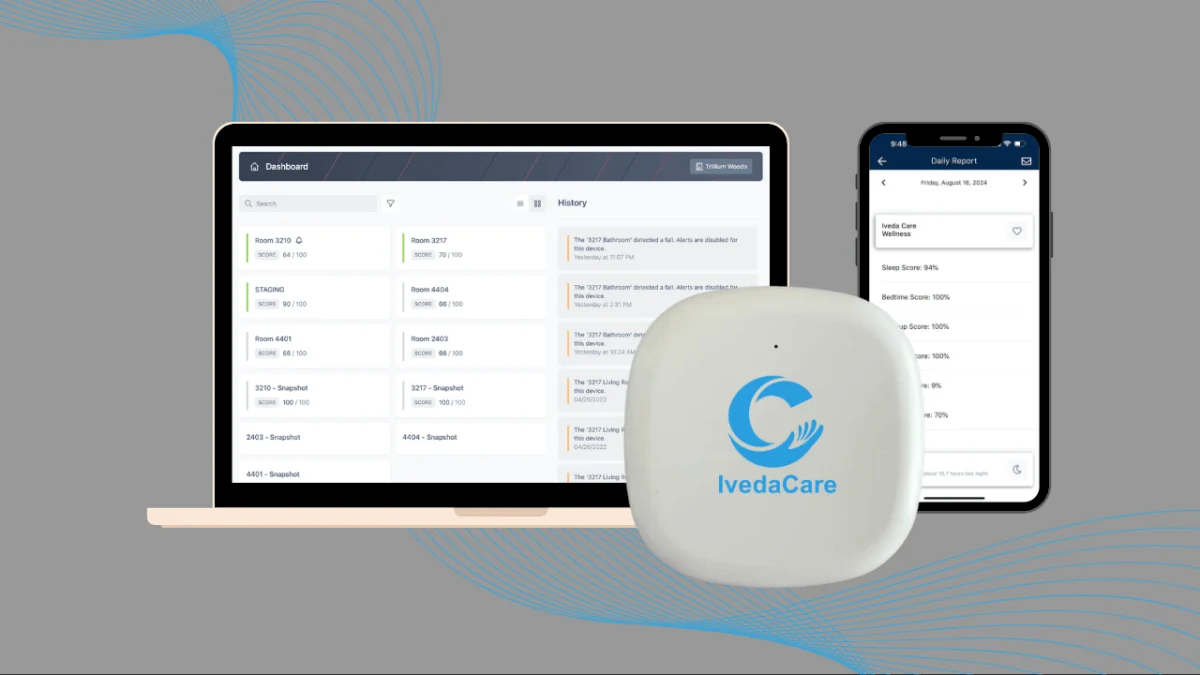
The IvedaCare Kit, now bolstered by Sleep Sense, is designed to be a comprehensive ecosystem for residential care. Its capabilities extend far beyond simple heart rate tracking. The system operates on a proprietary AI engine that interprets minute movements, providing a granular view of a resident’s overnight health.
Key Functional Metrics
- Vital Sign Monitoring: The system tracks both heart rate and respiratory rate with high precision, identifying irregularities that could indicate the onset of respiratory infections, cardiovascular strain, or sleep apnea.
- Movement Analysis: Beyond breathing and heartbeat, the sensor tracks "bed presence." It alerts staff to prolonged exits from the bed (a primary indicator of fall risk) and flags abnormal frequency of movement, which can be symptomatic of discomfort, pain, or restlessness.
- Oversleeping Alerts: By establishing a baseline for a resident’s typical circadian rhythm, the system can detect when a resident has failed to wake at their usual time, allowing for rapid welfare checks without the need for intrusive hourly rounds.
- Daily Analytics: Data is synthesized into daily reports, providing nursing staff with objective, longitudinal insights that can be shared with family members and primary care physicians to adjust care plans before a medical emergency occurs.
Official Responses and Strategic Rationale
The integration of Sleep Sense into the IvedaCare platform reflects a broader corporate strategy to move from reactive to proactive care. By prioritizing data-driven insights, Iveda is attempting to alleviate the burden on the nursing staff, who are currently facing historic levels of burnout and labor shortages.
"IvedaCare is proud to have some of the most respected names in aging research behind this work," notes Ly. "It reflects what we’ve always believed: that technology can and should play a meaningful role in how we care for our older adults. By empowering caregivers with information rather than just alerts, we are changing the nature of the interaction between staff and residents."
From a regulatory standpoint, Iveda has been careful to address the complex landscape of health data. The platform is fully compliant with HIPAA (Health Insurance Portability and Accountability Act), GDPR (General Data Protection Regulation), and CCPA (California Consumer Privacy Act). This compliance is essential for the platform’s adoption in institutional settings, where data protection is a primary liability concern.
Implications for the Future of Senior Care
The introduction of Sleep Sense has profound implications for the senior living industry, the family caregiver market, and the broader healthcare system.
1. The Shift to "Aging in Place"
As the population ages, there is a strong desire for seniors to remain in their homes for as long as possible. Traditionally, the transition to assisted living is forced by the inability of family members to provide 24/7 monitoring. Sleep Sense acts as a digital "third party," providing that oversight and increasing the safety margin for seniors living independently.
2. Easing the Burden on Nursing Staff
In high-acuity facilities, nursing staff often spend a significant portion of their shift conducting manual "bed checks." These checks are not only labor-intensive but can also disrupt the quality of a resident’s sleep. By automating this process, Iveda enables staff to focus their attention on residents who require immediate intervention, thereby increasing the efficiency and effectiveness of the entire facility.
3. Early Warning Systems
Many chronic conditions in the elderly—such as urinary tract infections (UTIs) or heart failure—often manifest through subtle changes in sleep patterns or activity levels days before more severe physical symptoms arise. By providing a longitudinal view of these metrics, Sleep Sense could potentially reduce hospital readmission rates, a key performance indicator for both care facilities and healthcare insurers.
4. Financial Accessibility
Iveda has positioned the IvedaCare Kit with a retail price of $500, accompanied by a $50 monthly subscription. This pricing model is designed to be accessible to middle-market assisted living facilities and private households. By lowering the barrier to entry for high-tech health monitoring, Iveda is democratizing access to what was previously considered luxury, hospital-only technology.
Conclusion: A New Standard for Care
The intersection of AI and gerontology is still in its infancy, yet the launch of Sleep Sense suggests a promising future where technology serves as a silent, invisible guardian. By focusing on the "invisible" data of sleep and rest, Iveda is not only providing peace of mind to families but is also laying the groundwork for a more efficient, evidence-based approach to senior care.
As the global population continues to age, the demand for such solutions will only intensify. With a robust research foundation, strict adherence to privacy regulations, and a clear vision for proactive health management, Iveda is well-positioned to lead the conversation on how we monitor, protect, and respect our aging population in the digital age. The goal is no longer just to keep seniors safe; it is to keep them healthy, independent, and undisturbed in the sanctity of their own rooms.