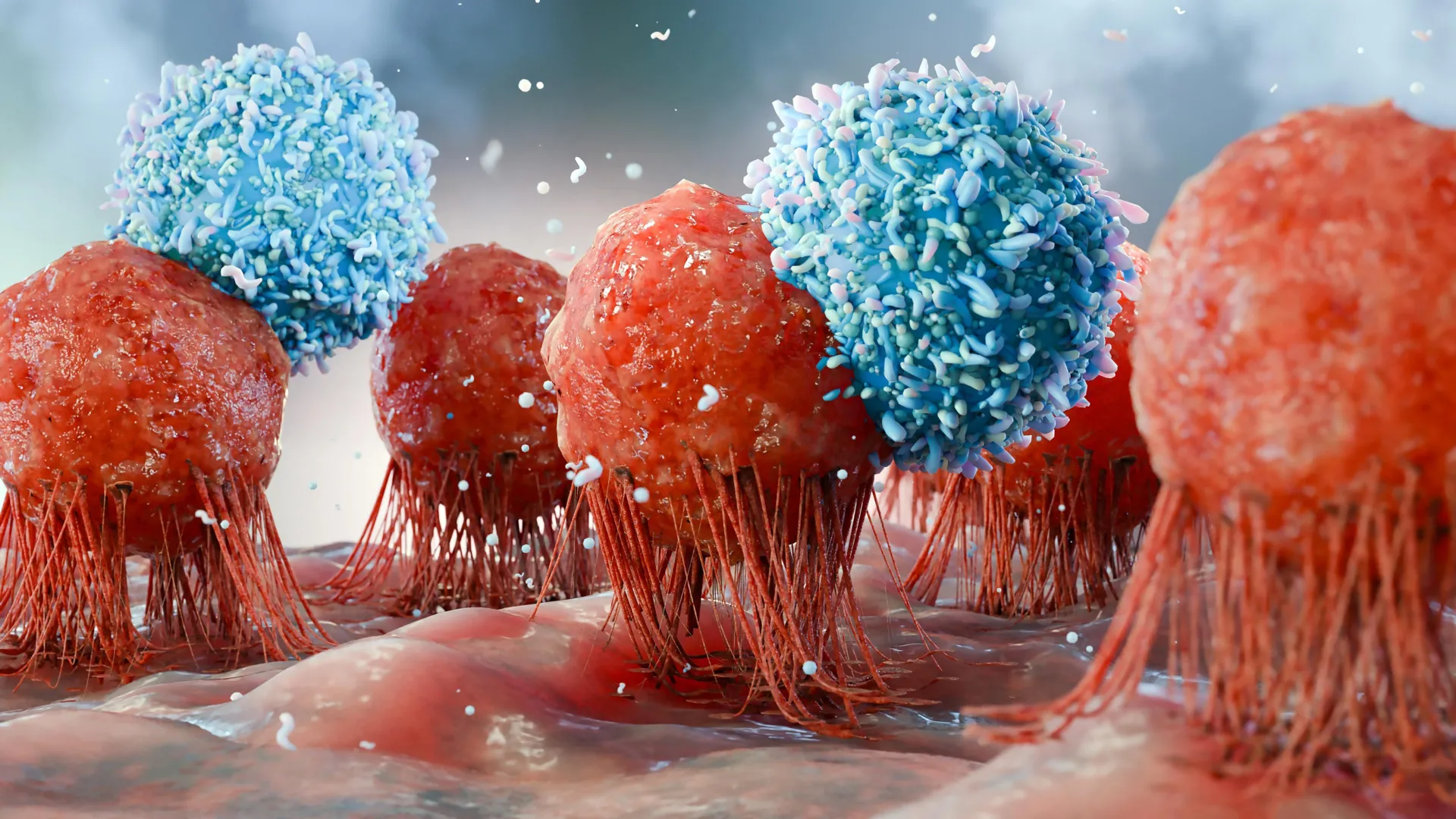
In a breakthrough that bridges the gap between nutrition and oncology, researchers from Trinity College Dublin and University College Dublin (UCD) have uncovered a promising new strategy to bolster the human immune system’s ability to fight cancer. By utilizing a common yeast-based dietary supplement, the team successfully "reprogrammed" the immune cells of obese laboratory mice, enhancing their ability to identify and neutralize tumors.
The findings, published in the prestigious journal Cell Reports, suggest that the path to a more robust anti-tumor response might be found not just in complex pharmaceutical interventions, but in the marrow of our bones—influenced by the food we consume.
The Intersection of Obesity and Immune Dysfunction
For years, medical science has recognized that obesity is a significant risk factor for a wide array of cancers. Beyond the metabolic complications such as diabetes and cardiovascular disease, obesity creates a chronic state of systemic inflammation that paradoxically suppresses the immune system. In many individuals, this creates an environment where the body’s "sentinel cells"—those responsible for detecting and destroying malignant cells—become sluggish, dysfunctional, or exhausted.
Crucially, the research team identified a persistent problem: even when individuals successfully lose weight, these "immune memory" defects often remain. The immune system, having been altered by the physiological stress of obesity, does not always revert to its baseline healthy state. This leaves post-obesity patients in a vulnerable position, still facing heightened risks of infection and cancer despite their weight loss. The study from Trinity and UCD offers the first clear evidence that this damage might be reversible through targeted dietary intervention.
Chronology of the Discovery: From Bone Marrow to Clinical Potential
The journey to this discovery began with a fundamental question posed by Dr. Anna Ledwith, a postdoctoral researcher in Professor Helen Roche’s group: Could we train the immune system from the inside out using a simple, orally administered supplement?
The Experimental Framework
The researchers focused on yeast beta-glucan, a naturally occurring polysaccharide found in the cell walls of yeast. While its immune-boosting properties have been observed in various contexts, the mechanism behind its long-term efficacy remained elusive.
- Phase 1 (The Challenge): Mice were subjected to either a standard diet or a high-fat diet for a period of 4 to 12 weeks. This established a baseline for healthy vs. obesity-induced immune function.
- Phase 2 (The Intervention): Both groups were provided with the yeast beta-glucan supplement. The goal was to see if the supplement could alter the "early-stage" immune cells located within the bone marrow.
- Phase 3 (The Assessment): The researchers "challenged" the immune systems of these mice with different types of cancer cells, including colorectal, breast, and skin cancer models.
- Phase 4 (The Sustainability Test): The team tracked whether the protective effects of the supplement persisted even after the mice underwent weight loss, aiming to solve the clinical riddle of post-obesity immune dysfunction.
The results were striking. The yeast beta-glucan did not just act as a temporary stimulant; it acted as an "immunological trainer," fundamentally reprogramming the stem cells in the bone marrow to produce more aggressive and efficient cancer-fighting cells.
Supporting Data: Why Diet Beats Injection
Historically, the concept of "trained immunity"—the idea that the innate immune system can develop a form of memory similar to the adaptive immune system—has been restricted to clinical settings requiring direct injections.
Professor Helen Roche, Director of the UCD Conway Institute and Professor of Nutrigenomics, highlights the significance of the delivery method. "This is the first demonstration that dietary delivery of yeast beta-glucan is sufficient to induce trained immunity through the reprogramming of bone marrow stem cells," she explains.
The data revealed that the dietary intervention:
- Restored innate immunity: Mice that were previously immunocompromised due to a high-fat diet regained the ability to mount a robust defense against introduced cancer cells.
- Reversed "Memory" Defects: Perhaps most importantly, the supplement corrected the long-term immune memory issues that typically persist after weight loss. This effectively resets the immune clock for the subjects.
- Broad Efficacy: The protective effect was not limited to one cancer type, suggesting that the supplement creates a generalized "heightened state of alertness" within the immune system, rather than a narrow-spectrum response.
Official Responses and Expert Perspectives
The lead researchers, Professor Frederick Sheedy of Trinity’s School of Biochemistry and Immunology and Professor Helen Roche of UCD, have framed these findings as a turning point for "nutrigenomics"—the study of how nutrition affects gene expression and biological function.
Professor Frederick Sheedy’s Vision
Professor Sheedy emphasizes the practical, immediate viability of this research. "The yeast beta-glucan used, Wellmune™, is already food-grade and commercially available," he notes. "This facilitates a very rapid transition to clinical trials."
He believes that this supplement will not replace chemotherapy or immunotherapy, but rather act as a potent "force multiplier." By priming the immune system, the supplement could make existing treatments more effective, potentially reducing the required doses of aggressive drugs and improving the patient’s overall quality of life.
The Clinical Necessity
For patients with obesity, chronic infections, or those who are immunocompromised due to other underlying conditions, the current standard of care often focuses on managing symptoms rather than restoring the immune system’s foundational integrity. The Trinity-UCD study proposes a paradigm shift: move toward proactive, restorative nutrition that addresses the root cause of immune failure.
Implications for Future Oncology and Public Health
The potential implications of this study are vast, touching upon several key areas of medical research and public health policy.
1. A New Paradigm for Cancer Support
If human trials confirm the findings observed in the mouse models, doctors could soon be prescribing specific dietary supplements alongside traditional cancer treatments. This represents a move toward "integrative oncology," where the patient’s nutritional intake is managed with the same precision as their pharmaceutical regimen.
2. Addressing the "Obesity Paradox"
As global obesity rates continue to rise, the healthcare burden of cancer will only increase. Finding a way to mitigate the immune-related risks of obesity without requiring the total reversal of weight (which is notoriously difficult to achieve and maintain) provides a critical lifeline for millions. It offers a pharmacological-grade intervention through a non-invasive, dietary route.
3. Vaccine Efficacy and Beyond
Beyond cancer, the implications extend to infectious diseases. If yeast beta-glucan can "train" the bone marrow to produce more responsive immune cells, it could potentially improve the body’s response to vaccines. This is particularly relevant for aging populations or those with suppressed immune systems, who often struggle to develop adequate protection from standard vaccinations.
4. Accessibility and Scalability
Because the supplement is already manufactured, safe, and commercially available, the logistical hurdles to implementation are significantly lower than for a new, synthetic drug. This democratization of a potential cancer-fighting tool could be a significant win for public health in both developed and developing nations.
The Road Ahead: From the Laboratory to the Clinic
While the results are undeniably encouraging, the researchers are quick to urge caution. "Future studies will need to determine whether the immune benefits seen in mice can also be reproduced in humans," the team noted in their conclusion.
The next steps for the Trinity and UCD teams involve the design and execution of human clinical trials. These studies will focus on determining the optimal dosage, the duration of the "training" period, and identifying which specific populations—such as cancer patients or individuals with metabolic syndrome—will derive the greatest benefit from this intervention.
Furthermore, scientists are eager to understand the deeper biological mechanisms at play. Exactly how do the signaling molecules from the gut, influenced by beta-glucan, travel to the bone marrow to alter stem cell development? Unlocking this "gut-bone marrow axis" could lead to a whole new field of medicine dedicated to the nutritional regulation of immune memory.
Conclusion
The study conducted by the researchers at Trinity College Dublin and University College Dublin represents a masterful synthesis of nutrition science and immunology. By proving that the immune system is not a fixed entity but a dynamic, trainable, and potentially repairable system, the team has opened a door that could lead to more resilient, effective, and accessible cancer treatments.
In an era where cancer remains a leading cause of death globally, the prospect of a simple, safe, and widely available dietary supplement acting as a shield against malignancy is a beacon of hope. As we move closer to human trials, the scientific community—and the millions of people whose health is compromised by immune dysfunction—will be watching this space with great anticipation. The future of oncology may well be found not just in the high-tech lab, but in the dietary choices we make every day.