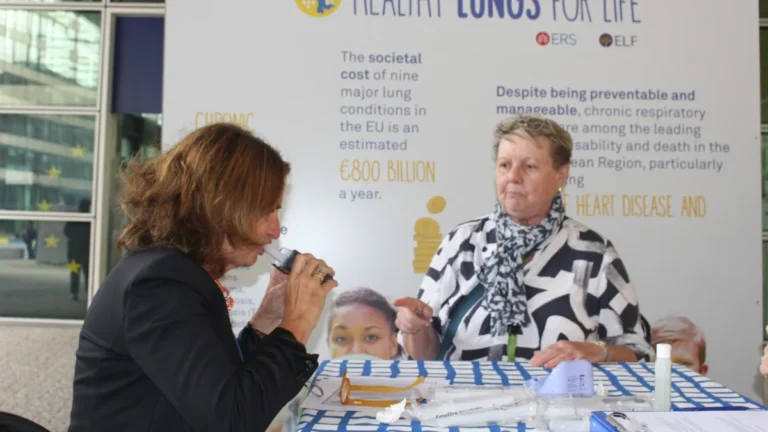
As the profession of respiratory care continues to evolve, the impact of its practitioners is being felt far beyond the confines of the intensive care unit. From the halls of academia to the front lines of public health advocacy and the creative studios of local artists, members of the American Association for Respiratory Care (AARC) are making headlines.
Recent media coverage highlights a diverse array of achievements, underscoring the versatility and critical importance of Respiratory Therapists (RTs) in contemporary society. Whether they are spearheading structural changes in higher education, providing life-saving care to family members, or shaping public policy regarding environmental health, these professionals are demonstrating the vital role of the RT in 2026.
I. Academic Advancement and Institutional Growth
The academic landscape for respiratory care is undergoing a significant transformation, with AARC members at the forefront of institutional restructuring.
Boise State University Elevates Respiratory Care
At Boise State University, the establishment of the new School of Respiratory Care marks a pivotal moment for the discipline. Previously a department within the broader School of Allied Health Sciences, the transition to a standalone school represents a strategic commitment to the field.
Megan Koster, EdD, RRT, RRT-NPS, FAARC, a prominent AARC member, has been instrumental in this development. By elevating the status of the program, the university aims to foster a more robust environment for faculty research and student clinical preparation. This structural change is expected to grant RT educators the autonomy and resources necessary to make greater strides in research, curriculum development, and interdisciplinary collaboration. Read more about the transition here.
Excellence in Degree Advancement
Further east, the recognition of Southern Connecticut State University (SCSU) serves as a testament to the effectiveness of advanced education in the field. Joan Kreiger, EdD, RRT, RPFT, FNAP, FAARC, recently accepted the prestigious AARC Apex Award on behalf of the university. The award recognizes SCSU’s exceptional BSRT degree advancement program, which has been cited as one of the best in the nation. Dr. Kreiger’s acceptance of the honor at the AARC Congress 2026 in Phoenix highlighted the growing importance of bachelor-level education in ensuring high-quality respiratory care standards. Read more here.
II. The Human Element: RTs in Community and Crisis
While academic accolades are important, the heart of the profession remains the patient-practitioner relationship. Recent stories have highlighted how the skills of an RT transcend the hospital walls.
A Personal Mission in the NICU
John Dvorak, BS, RRT, recently shared a poignant narrative via St. Cloud LIVE regarding the deeply personal nature of his career. Dvorak’s journey into respiratory care was put to the ultimate test when his own niece was born with respiratory complications. His story serves as a powerful reminder of the specialized care RTs provide to the most vulnerable patients. In the NICU, Dvorak utilized his professional training to advocate for and care for his family member, bridging the gap between clinical expertise and personal compassion. His story underscores the enduring value of specialized respiratory training in emergency pediatric settings. Read the full story here.
Celebrating the Next Generation
In North Carolina, the commitment to the future of the profession was on full display at Newman University. Tim Cho, MD, RRT, and Charity Clark, MSOHRD, RRT, along with student member Haven Sjogren, were featured in coverage of a pinning ceremony. This rite of passage for nursing and RT students is a cornerstone of the medical community, signaling the transition from rigorous academic training to the clinical workforce. The involvement of established professionals like Dr. Cho and Clark serves as a vital mentorship bridge for students entering a high-demand, high-reward career. See the coverage here.
III. Environmental Health and Public Advocacy
Respiratory therapists are increasingly serving as the "canary in the coal mine" for public health, leveraging their clinical expertise to interpret environmental risks for the general public.
Investigating Air Quality and Community Health
In Florida, Joseph Buhain, EdD, MBA, RRT, CHSOS, CMSP, FAARC, NBREMTB, has taken on an advocacy role regarding air quality concerns. Following complaints from neighbors regarding dust particles emanating from a local waste and recycling plant, Dr. Buhain provided expert commentary to WINK News.
His contribution highlights the intersection of environmental policy and public health. As an expert in respiratory physiology, Dr. Buhain’s input helps residents understand the potential long-term health risks associated with particulate matter inhalation. This case serves as a prime example of the RT’s role in community health advocacy, moving beyond the bedside to influence public safety and corporate accountability. Read the investigative report here.
IV. Recognition and Cultural Contributions
Beyond the clinic and the classroom, AARC members are also contributing to the broader cultural fabric of the nation.
High-Performing Maternity Care
Haley Mitchell, RRT, RRT-NPS, was recently recognized for her role at the Penn State Health Milton S. Hershey Medical Center. The facility earned a designation as a 2026 High Performing Hospital for Maternity Care by U.S. News & World Report. Mitchell’s inclusion in the coverage emphasizes the critical role of respiratory specialists in the successful outcomes of high-risk maternity and neonatal care. See the announcement here.
Artistic Tributes to American History
In a unique intersection of medicine and art, Jim Rudegeair, RRT, RRT-ACCS, has captured local headlines for his creative work. To celebrate the upcoming semi-quincentennial anniversary of the United States in 2026, Rudegeair designed a custom Liberty Bell sculpture. His project, featured in the Lebanon Daily News, highlights the multi-faceted nature of the RT workforce—individuals who balance the high-stress demands of clinical medicine with creative pursuits that strengthen community bonds. Read more here.
V. Implications: The Evolving Scope of Practice
The stories of these AARC members reflect a clear trend: the scope of the Respiratory Therapist is expanding.
Chronology of Professional Growth
- Educational Autonomy: The shift from departments to independent schools (as seen at Boise State) suggests that RTs are becoming primary stakeholders in university administration.
- Clinical Specialization: As hospitals compete for "High Performing" status, the role of the RT in specialized areas like maternity and NICU care is being explicitly recognized by rating organizations like U.S. News & World Report.
- Public Advocacy: The willingness of RTs to speak on environmental health issues indicates that the profession is moving toward a broader public health focus, where clinical knowledge is applied to prevention and community protection.
Summary of Impact
The professional landscape for respiratory therapists in late 2025 and 2026 is one of growth and diversification. Whether through the formal recognition of academic programs by the AARC Apex Awards, the mentorship of the next generation, or the proactive stance on environmental health, these AARC members are setting a high bar for excellence.
As these professionals continue to lead, the public can expect to see the RT role become more prominent in areas previously considered peripheral. From the halls of government and academia to the local art expo, the expertise of the respiratory therapist is proving to be a cornerstone of a healthy, informed, and resilient society.
For more information on the AARC and the ongoing achievements of its members, visit the AARC website to follow the latest updates and industry news.