




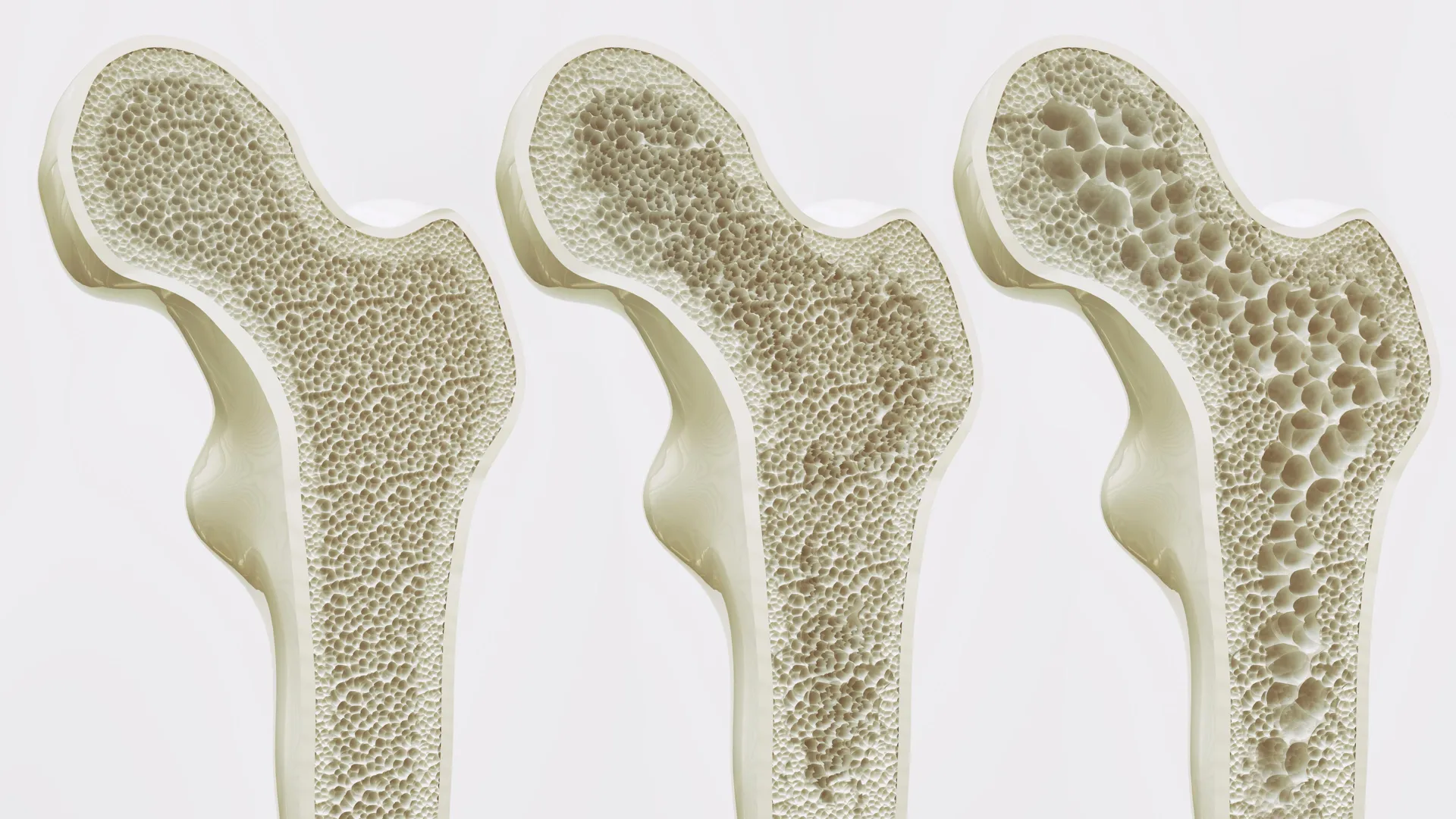
For decades, the standard medical advice for aging adults—particularly those concerned about osteoporosis or the fragility of advancing years—has been simple: take your calcium and vitamin D. These supplements have become a cornerstone of preventative health, lining the shelves of pharmacies and appearing on the daily checklists of millions of seniors. However, a landmark review published in The BMJ has cast a long shadow over this conventional wisdom, suggesting that for the vast majority of the elderly population, these supplements provide little to no meaningful protection against the falls and fractures that threaten their independence.
The Magnitude of the Issue: A Public Health Crisis
Falls among the elderly are not merely accidents; they are significant medical events with far-reaching consequences. Statistically, nearly one in three adults aged 65 and older experiences at least one fall annually. For many, these incidents are the beginning of a downward spiral. A single fall can result in complex fractures, long-term chronic pain, a debilitating loss of mobility, and a profound reduction in quality of life. In many cases, the aftermath of a fracture necessitates a permanent move into residential care, fundamentally altering the trajectory of a person’s life.
Given these stakes, the medical community has spent years hunting for low-risk, high-reward interventions. Because calcium is a primary structural component of bone and vitamin D is essential for the body’s absorption of calcium and overall bone metabolism, the logic behind supplementation seemed bulletproof. Yet, despite the biological plausibility, clinical results have historically been disjointed and inconclusive.
A Rigorous Re-examination: The Methodology of the Study
To resolve the ambiguity that has long persisted in the medical literature, a team of researchers in Canada embarked on a massive, systematic review. They analyzed 69 randomized controlled trials (RCTs) involving a total of 153,902 participants. In the hierarchy of scientific evidence, RCTs are the gold standard; by randomly assigning participants to either a treatment group or a control group, researchers can effectively isolate the impact of the supplement from other variables, such as lifestyle, diet, or baseline health.
The researchers scrutinized studies that compared calcium supplements, vitamin D supplements, or a combination of both against a placebo or no treatment at all. By establishing rigorous thresholds for what constituted a "clinically meaningful benefit," the team sought to move beyond mere statistical significance and determine if these supplements actually made a tangible difference in the lives of seniors.
Key Findings: The Data Unveiled
The results of the analysis were both striking and sobering. When researchers applied their criteria for clinical importance, they found virtually no effect on the incidence of fractures across the board.
Breaking Down the Evidence:
- Calcium Supplements: Based on moderate-certainty evidence from 11 trials encompassing 9,067 participants, the data showed no meaningful reduction in fracture risk.
- Vitamin D Supplements: Utilizing high-certainty evidence from 36 trials involving 92,045 participants, the researchers concluded that vitamin D supplementation did not provide a protective shield against bone breakage.
- Combined Therapy: Perhaps most surprising was the outcome for those taking both calcium and vitamin D. With high-certainty evidence from 15 trials and 51,126 participants, the combined regimen—long considered the most effective strategy—also failed to demonstrate a meaningful impact on fracture prevention.
This lack of efficacy held true even when the data was disaggregated by specific outcomes, such as hip fractures or the frequency of falls. Whether the researchers looked at age, sex, prior history of falls, or even the baseline dietary intake of calcium, the conclusion remained consistent: the supplements were not acting as the protective panacea the public had been led to believe.
Important Caveats and Clinical Exceptions
While the findings are sweeping, the researchers are quick to offer nuance. Science is rarely absolute, and there are specific subpopulations for whom this data may not apply. Individuals suffering from specific bone disorders, those currently undergoing medical treatment for osteoporosis, or patients with documented nutritional deficiencies may still require targeted supplementation.
The researchers emphasize that this study should not be interpreted as a blanket recommendation for everyone to cease their intake of these nutrients. Instead, it serves as a wake-up call for patients to consult with their physicians to determine if their specific clinical profile warrants supplementation beyond what they receive through their daily diet.
Re-evaluating the Standard of Care
The implications of this study are profound. The researchers have issued a direct challenge to the medical establishment, stating clearly that the current evidence "does not support routine supplementation with calcium or vitamin D, or combined supplementation to prevent fractures and falls."
This finding puts immense pressure on clinical guidelines, regulatory agencies, and health organizations that have long advocated for the mass distribution of these supplements. The authors of the study argue that these entities must now re-evaluate their recommendations. If the goal of routine supplementation is to prevent fractures—a goal these supplements are clearly struggling to meet—then the widespread prescription of these products may be an inefficient use of public health resources.
The Shift Toward Proven Interventions
If calcium and vitamin D are not the answer, where should the focus of geriatric care lie? In a linked editorial accompanying the study, experts argue that the time has come to pivot toward interventions that have demonstrated proven efficacy.
The Path Forward:
- Resistance and Balance Training: Exercise is perhaps the most potent tool in the geriatric arsenal. Programs focused on resistance training improve muscle mass and bone density, while balance training significantly reduces the risk of the falls themselves.
- Comprehensive Risk Assessment: Rather than relying on a pill, care should focus on the individual. This includes home hazard assessments to prevent trips and falls, as well as medication reviews to identify drugs that may cause dizziness or instability.
- Tailored Education: Helping seniors understand their specific risk factors—and empowering them to take charge of their physical strength—has shown far more promise than the "one-size-fits-all" supplement approach.
Implications for the Future
The study published in The BMJ represents a shift in how we think about aging. For decades, the medical field has looked for a pharmacological shortcut to preserve bone health. What this research suggests is that there is no shortcut. Protecting the aging skeleton and preventing the devastating consequences of falls requires a more holistic, rigorous, and individualized approach.
As clinicians and patients digest these findings, the hope is that the conversation will move away from the supplement aisle and toward the gym, the physical therapist’s office, and a more nuanced understanding of personal risk. While the dream of a simple pill to prevent fractures remains unfulfilled, the path toward better outcomes for older adults has become clearer: it is found in movement, strength, and evidence-based care.
For the millions of seniors who have built their daily health routines around these supplements, this news may feel unsettling. However, it is an invitation to engage more deeply with their healthcare providers, to prioritize active prevention, and to demand that the guidance they receive is rooted in the most robust scientific data available. The quest for healthy aging continues, but it is now armed with a more realistic and actionable understanding of what truly works.