The World Health Organization (WHO) recently unveiled a sweeping update to its global dietary guidelines, aiming to provide a standardized framework for healthy eating for individuals aged two and older. While the guidelines—which cover carbohydrates, fiber, and various classes of fat—have been largely welcomed by the global health community as a positive step toward curbing non-communicable diseases, a significant point of contention has emerged.
Nutrition experts at the Harvard T.H. Chan School of Public Health have issued a strong critique regarding the WHO’s continued insistence on limiting total fat intake to 30% or less of total daily calories. According to these researchers, this specific recommendation is not only outdated but contradicts decades of robust clinical evidence that suggests the quality of fat is far more critical to long-term health than the quantity.
The Core Controversy: Quality Over Quantity
For years, the nutritional zeitgeist was dominated by the "low-fat" craze, a period during which dietary fat was vilified as the primary culprit for obesity and heart disease. However, as the science of nutrition has evolved, a consensus has emerged among top researchers: the source of fat—whether it is an avocado or a processed donut—matters far more than the percentage of calories derived from fat.
The Harvard faculty, led by prominent epidemiologist Dr. Walter Willett, argues that the WHO’s 30% cap on total fat is an arbitrary threshold that ignores the well-documented health benefits of the Mediterranean diet. The Mediterranean model, which typically features a higher fat intake (often between 35% and 42% of total calories) derived primarily from plant-based unsaturated fats like olive oil, nuts, and seeds, is consistently linked to lower risks of cardiovascular disease, type 2 diabetes, and certain cancers.
Chronology of the Debate
The tension between global health policy and academic nutrition research did not arise overnight. It is the culmination of a decades-long evolution in dietary science.
- Late 20th Century: The medical community largely embraced the "Lipid Hypothesis," which suggested that all fats were detrimental to heart health, leading to global health policies that prioritized low-fat diets.
- The Early 2000s: Landmark studies, including the PREDIMED trial, began to challenge the low-fat paradigm. These studies demonstrated that participants who followed a Mediterranean-style diet high in healthy fats showed superior health outcomes compared to those on low-fat, high-carbohydrate diets.
- July 2023: The World Health Organization released its updated guidelines on fats and carbohydrates, aiming to harmonize dietary advice to combat the rising global burden of obesity and metabolic syndrome.
- Post-Publication Critique: Almost immediately following the release, the Harvard T.H. Chan School of Public Health published an expert review calling into question the methodology used by the WHO to justify the total fat limit, setting the stage for a significant scientific debate.
Supporting Data: Why the 30% Limit is Under Fire
The primary objection from Harvard researchers centers on the meta-analysis utilized by the WHO to justify its recommendations. Dr. Willett and his colleagues point to several critical flaws in how this data was interpreted.
Flaws in Meta-Analytic Methodology
The researchers contend that the WHO’s conclusion was drawn from a narrow selection of studies that were not designed to measure weight gain as a primary outcome. Many of the studies included in the meta-analysis involved participants who already suffered from chronic conditions, such as existing cardiovascular disease or cancer. Consequently, the data is arguably not representative of the general, healthy population.
Furthermore, the "intervention bias" inherent in these studies cannot be ignored. In many of the cited trials, the "low-fat" group received intensive, personalized counseling and frequent monitoring, while the control groups—often on higher-fat diets—were left to their own devices. Researchers note that the mere act of being enrolled in a study with frequent contact from health professionals often results in modest weight loss, regardless of the dietary intervention itself.
The "Carbohydrate Displacement" Effect
Perhaps the most concerning implication of the WHO guidelines, according to Harvard experts, is what happens when people cut fat out of their diet. When individuals reduce their fat intake to meet a 30% threshold, they often replace those calories with carbohydrates. If those carbohydrates are refined—such as white bread, processed snacks, or added sugars—it can lead to an increase in triglycerides and blood pressure, effectively worsening the metabolic profile the guidelines intended to improve.
The Weight of Evidence: A Two-Pound Difference
One of the most striking arguments made by the Harvard team is the lack of clinical significance in the WHO’s findings. Dr. Willett pointed out that even if one were to accept the data presented in the meta-analysis at face value, the difference in weight between the low-fat and high-fat groups was statistically marginal—amounting to roughly 0.9 kilograms (about two pounds).
"Hardly sufficient to be setting global dietary recommendations," Willett noted. The focus on such a minor potential weight difference distracts from the far more significant impact of fat type. Current evidence strongly suggests that replacing saturated and trans fats with polyunsaturated and monounsaturated fats is a far more effective strategy for preventing chronic disease than a simple reduction in total fat volume.
Official Responses and Institutional Positions
The WHO’s role is to provide broad, global guidance that can be implemented across vastly different economic and cultural contexts. Their guidelines are designed to address not only the over-nutrition seen in Western nations but also the under-nutrition and food insecurity issues present in developing regions.
However, the disconnect between global policy and specific research institutions highlights the difficulty of creating a "one-size-fits-all" nutritional mandate. While the WHO remains committed to its updated guidelines as a foundational starting point for public health strategy, organizations like the Harvard T.H. Chan School of Public Health are advocating for a more nuanced approach—one that prioritizes the quality of macronutrients over rigid percentage caps.
Implications for Public Health Policy
The disagreement between these two influential entities has significant implications for how we translate science into policy.
For Clinicians and Nutritionists
For those working on the front lines of healthcare, the message is clear: dietary counseling should move away from broad, fear-based warnings about "fat" and toward a more comprehensive understanding of food quality. Clinicians should be encouraging patients to swap saturated fats for plant-based unsaturated fats rather than simply aiming for a low-fat target that may lead to the consumption of processed, high-carb substitutes.
For Global Food Policy
The WHO guidelines are often used by governments to craft national school lunch programs, food labeling requirements, and public health campaigns. If these guidelines remain rigid regarding total fat, they may inadvertently influence food manufacturers to reformulate products by removing healthy fats and replacing them with sugars or refined starches—a practice that has historically led to poor public health outcomes.
For the Consumer
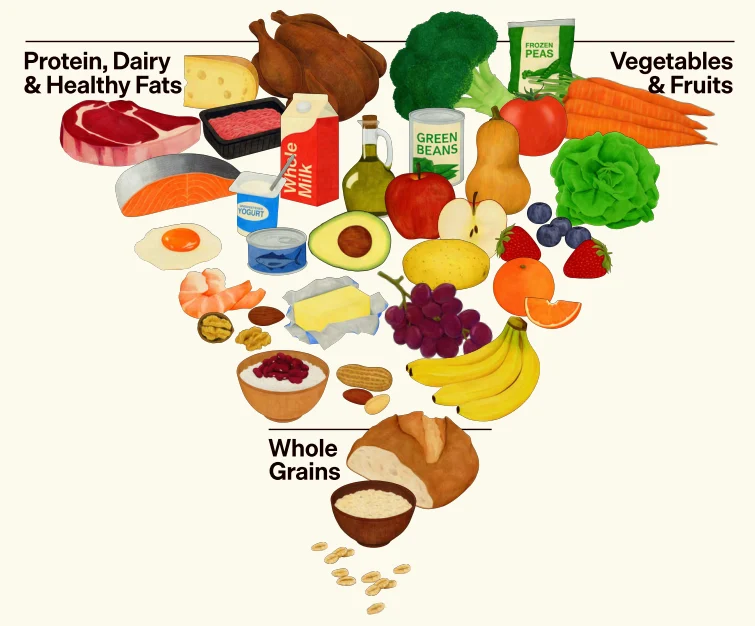
The general public is often confused by conflicting nutritional advice. The consensus among the Harvard experts is that consumers should not feel pressured to eliminate healthy fats from their diets. Instead, the focus should remain on a whole-food diet that incorporates a variety of vegetables, fruits, whole grains, and healthy fats (such as those found in olive oil, avocados, and fatty fish).
Conclusion: Toward a More Nuanced Future
The debate over the WHO’s new guidelines serves as a vital reminder that nutrition science is not static. While the WHO provides a critical service in establishing global standards, the critique from the Harvard T.H. Chan School of Public Health underscores the necessity of constant evaluation.
As the global community continues to grapple with the complexities of obesity and chronic metabolic disease, it is increasingly clear that the path to better health is paved not by strict limits on total macronutrients, but by the thoughtful selection of high-quality, nutrient-dense foods. The "low-fat" era, while well-intentioned, must give way to a more sophisticated, evidence-based approach that embraces the complexity of human biology and the diversity of the global diet.