As we cross the threshold into our fifties and beyond, the definition of "fitness" undergoes a fundamental shift. The goal is no longer merely aesthetic; it is about cultivating a body that remains capable, resilient, and independent. True total-body strength at this stage of life should be inherently functional—useful in real-world scenarios, from climbing a flight of stairs to hauling groceries or simply rising from a chair with ease.
The most effective strategy for building this enduring capacity is not found in complex gym machinery or the latest high-intensity fitness trends. Instead, it lies in mastering five core movement patterns: lunge, push, hinge, pull, and brace. By focusing on these pillars, you create a robust physical foundation that supports every aspect of daily life.
Main Facts: The Anatomy of Functional Aging
At the heart of functional training is the concept of movement patterns rather than isolated muscle groups. When you train a "pattern," you teach your nervous system and musculature to work in harmony. After years of coaching, a clear trend emerges: the most significant progress occurs when individuals stop chasing variety for its own sake and instead dedicate themselves to refining the basics.
The five pillars address the specific physiological demands of the aging body:
- The Lunge: Enhances unilateral leg strength and balance, critical for preventing falls.
- The Push: Builds the upper-body pressing strength required for navigating physical obstacles.
- The Hinge: Teaches the hips to bear the load, protecting the lower back during lifting tasks.
- The Pull: Corrects postural imbalances and strengthens the posterior chain.
- The Brace: Solidifies the core, providing the structural integrity needed for all other movements.
Chronology of Strength: Why These Patterns Matter
The decline of muscle mass—sarcopenia—naturally begins to accelerate after the age of 50. Without intentional resistance training, we lose the "biological armor" that protects our joints and facilitates movement.
- The Decade of Maintenance (50s): This is the prime time to solidify the foundational patterns. By establishing a routine now, you are essentially "pre-hab" training—strengthening tissues before they become vulnerable to injury.
- The Decade of Resilience (60s): Continued adherence to these movements ensures that the hips, spine, and shoulders remain mobile and stable.
- The Decade of Independence (70s+): The strength built through these five patterns becomes the literal difference between assisted living and living independently. The ability to perform a hinge or a push-up equates to the ability to stand up from a toilet or reach for a high shelf without assistance.
Supporting Data: The Science of Movement
Recent research published in journals such as the National Center for Biotechnology Information (NCBI) highlights that functional strength training is not merely beneficial—it is medicinal. Studies indicate that individuals who engage in multi-joint, pattern-based strength training show significant improvements in bone density, metabolic rate, and cognitive function.
A 2024 study noted that "useful" strength—defined as the ability to perform activities of daily living (ADLs)—is the strongest predictor of longevity. When you train a lunge, you aren’t just working the quads; you are challenging your proprioception and vestibular system, which are vital for fall prevention. Similarly, mastering the "hinge" (the mechanic behind the deadlift) is clinically proven to reduce the incidence of chronic lower-back pain, as it shifts the burden of a lift from the fragile lumbar spine to the powerful glutes and hamstrings.
Expert Perspectives: The Shift Toward Simplicity
Leading physical therapists and strength coaches advocate for a "less is more" approach for the over-50 demographic. The philosophy is straightforward: if you can master the hinge and the pull, you negate the need for dozens of isolation exercises that offer minimal carryover to the real world.
"When I watch a client perform a perfect reverse lunge, I see more than just leg strength," says one veteran coach. "I see a body that is communicating effectively. The brain is firing the glutes, the core is stabilizing the spine, and the ankles are providing a base. That is total-body fitness."
The Five Foundational Exercises
1. The Reverse Lunge (The Leg Foundation)
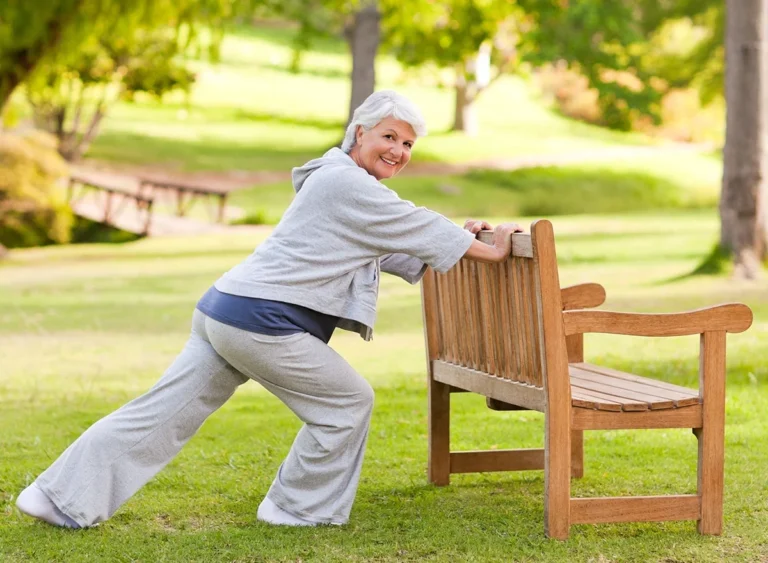
The reverse lunge is superior to the forward lunge for many over 50 because it places less shear force on the knee joint while promoting better balance.
- How to: Step backward with one foot, lowering your back knee toward the ground while keeping your torso upright. Drive through the front heel to return to standing.
- Target: Glutes, hamstrings, quads.
2. The Push-Up (The Upper Body Baseline)
The push-up is the ultimate assessment of upper-body integrity. It requires your chest, shoulders, and triceps to move, while your core must hold the body in a rigid, straight line.
- Scalability: If the floor is too difficult, start with wall push-ups or incline push-ups on a sturdy counter. The movement pattern remains the same, regardless of the angle.
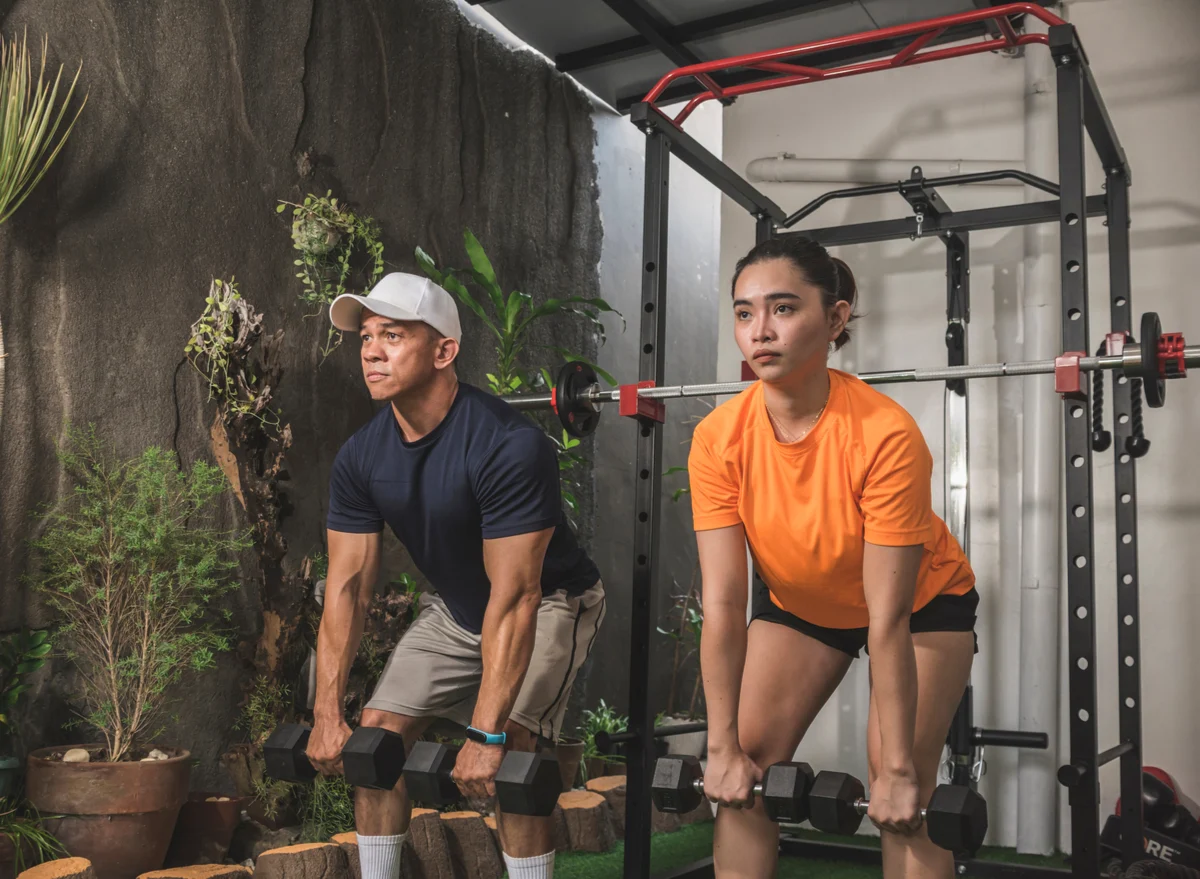
3. The Dumbbell Romanian Deadlift (The Hinge)
The hinge is the most misunderstood movement. It is not a squat; it is a hip-dominant movement where you push your hips back while maintaining a flat back.
- Why it’s vital: It teaches you how to pick up heavy objects from the floor safely, which is the primary movement involved in preventing back injuries.
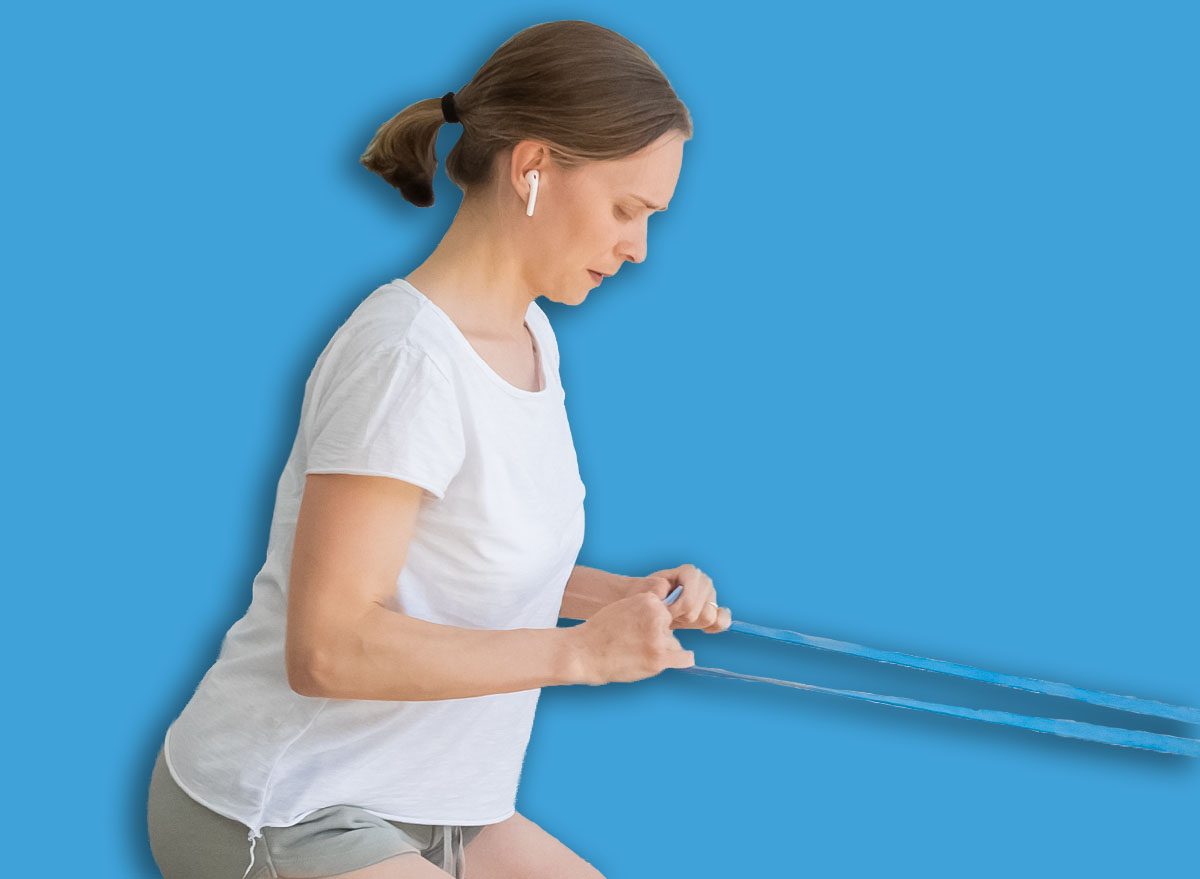
4. The Standing Band Row (The Postural Pull)
Modern life is "forward-facing"—we hunch over computers, phones, and steering wheels. The rowing pattern pulls the shoulders back and strengthens the upper back and lats.
- Why it works: Using a band allows for a controlled, constant tension that is easier on the joints than heavy, erratic dumbbell rowing.
5. The Forearm Plank (The Core Brace)
A plank is not just an abdominal exercise; it is a full-body tension drill. It teaches you how to lock your ribcage down and stabilize your spine.
- Form Tip: Focus on quality over duration. A 30-second plank with perfect form—glutes squeezed, ribs tucked—is far superior to a 2-minute plank with a sagging lower back.
Implications: Building Your Routine
You can integrate these five movements into your life in several ways. If you are a beginner, treat them as a "baseline circuit."
The Circuit Protocol:
- Perform each of the five exercises for 30–45 seconds.
- Rest for 30 seconds between movements.
- Complete 3 full rounds.
This approach elevates your heart rate, providing an aerobic stimulus alongside the strength benefits. Alternatively, you can perform them as traditional sets (3 sets of 8–12 reps) for pure strength development.
Progression and Safety
The golden rule for fitness after 50 is progressive overload. Start where you are, not where you think you should be. If you cannot perform a floor push-up, start at the wall. As your strength improves, move to a lower incline (like a bench) before attempting the floor. Consistency is the primary driver of results.
By prioritizing these five movements, you are not just exercising; you are investing in your future. You are building a body that can handle the unexpected, resist the decline of age, and support you in all the activities you love for decades to come.
Summary Checklist for Success:
- Prioritize Form: Never sacrifice movement quality for speed or weight.
- Stay Consistent: Aim for 3 days a week.
- Listen to Your Body: Minor muscle soreness is normal; joint pain is a signal to regress or adjust your form.
- Track Progress: Keep a simple log of your reps and the weight used to ensure you are incrementally challenging your body.
The journey to total-body strength is a marathon, not a sprint. By focusing on the "Big Five," you ensure that every minute spent in the gym pays dividends in your everyday life.