In a landmark development for cardiovascular medicine, a new experimental oral medication known as enlicitide has demonstrated the ability to slash "bad" low-density lipoprotein (LDL) cholesterol levels by up to 60%. The findings, published in The New England Journal of Medicine, arrive at a critical juncture in the global fight against heart disease, potentially offering a more accessible, patient-friendly alternative to the current generation of injectable therapies.
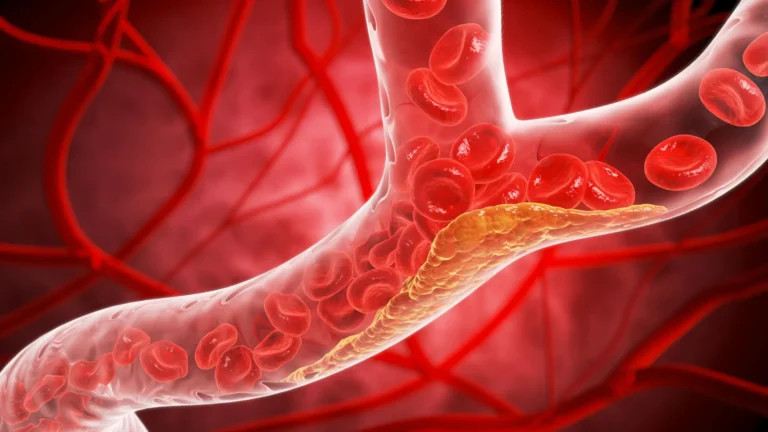
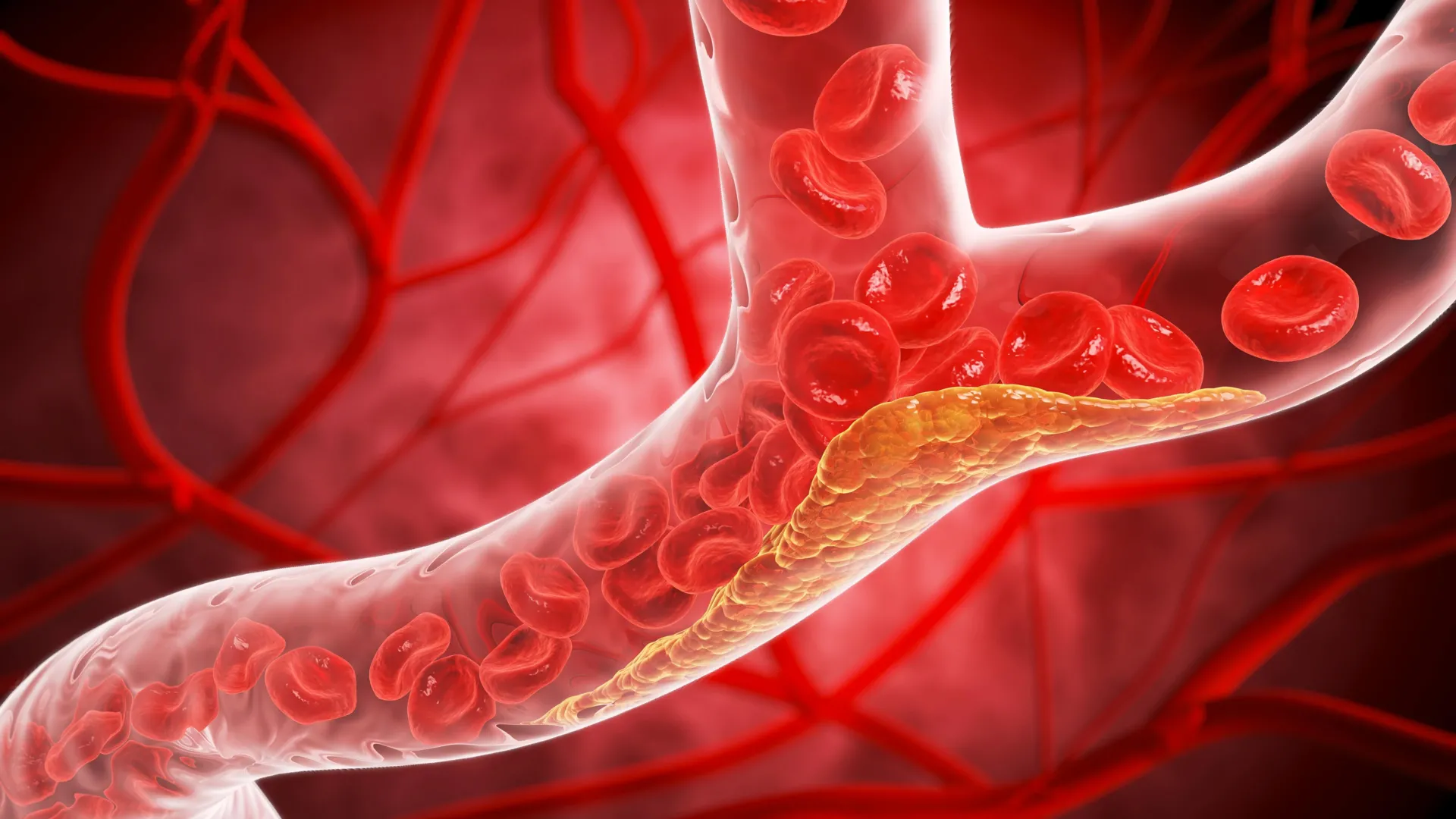
For millions of Americans living with atherosclerotic cardiovascular disease (ASCVD), the battle to control cholesterol is often a frustrating struggle. Despite the widespread availability of statins, many patients remain unable to reach their clinical goals, leaving them at a persistently elevated risk for heart attacks and strokes. Enlicitide, if granted approval by the U.S. Food and Drug Administration (FDA), could represent the most significant advancement in lipid-lowering pharmacology since the introduction of statins decades ago.
The Scientific Foundation: A Legacy of Innovation
The development of enlicitide is not a sudden medical miracle, but rather the culmination of decades of rigorous scientific inquiry, much of which originated at the UT Southwestern Medical Center.
The story of modern cholesterol management began in the mid-20th century with the pioneering work of Michael Brown, M.D., and Joseph Goldstein, M.D. Their discovery of the LDL receptor on liver cells—the mechanism responsible for clearing cholesterol from the bloodstream—earned them the Nobel Prize in Physiology or Medicine in 1985. Their research provided the blueprint for statins, which remain the first line of defense in cholesterol management today.
However, science continued to evolve. Later, the Dallas Heart Study at UT Southwestern, spearheaded by Helen Hobbs, M.D., and Jonathan Cohen, Ph.D., unlocked the next secret: the PCSK9 protein. The researchers discovered that some individuals possess natural genetic variations that limit the production of PCSK9, resulting in exceptionally low LDL levels and, consequently, a drastically lower risk of heart disease. This discovery led to the development of injectable PCSK9 inhibitors, such as evolocumab and alirocumab, which mimic this natural genetic protection.
The Challenge of Administration and Compliance
While injectable PCSK9 inhibitors are remarkably effective—also capable of lowering LDL cholesterol by approximately 60%—they have faced significant hurdles in achieving widespread clinical adoption.
Historically, these drugs were hampered by prohibitive costs and stringent insurance coverage criteria. Even as these barriers have begun to recede, a more fundamental issue remains: the mode of delivery. Many patients and even primary care physicians are hesitant to adopt a treatment regimen that requires regular self-administered injections. This "needle fatigue" often leads to inconsistent use, which can undermine the long-term goal of cardiovascular protection.
"Fewer than half of patients with established atherosclerotic cardiovascular disease currently reach LDL cholesterol goals," explains Dr. Ann Marie Navar, M.D., Ph.D., a cardiologist and Associate Professor of Internal Medicine and in the Peter O’Donnell Jr. School of Public Health at UT Southwestern, who led the phase three clinical trial. "An oral therapy this effective has the potential to dramatically improve our ability to prevent heart attacks and strokes on a population level."
Enlicitide: The Oral Solution to the PCSK9 Puzzle
Enlicitide functions by targeting the same biological pathway as the injectable inhibitors. By attaching to the PCSK9 protein in the bloodstream, the drug prevents it from interfering with the body’s LDL receptors. This allows the liver to clear cholesterol from the blood more efficiently.
The transformative difference, however, is the delivery method. Enlicitide is a daily oral pill. By removing the need for injections, developers hope to significantly improve patient adherence, allowing individuals to incorporate their cholesterol management seamlessly into their existing daily medication routines.
Clinical Trial Insights: Rigorous Data and Promising Results
The phase three clinical trial for enlicitide involved a robust cohort of 2,909 participants, all of whom were categorized as having atherosclerosis or being at high risk for the disease due to secondary health conditions.
The demographics of the study were intentionally designed to mirror the reality of modern clinical practice. Most participants were already adhering to statin therapy, yet their baseline LDL levels remained concerningly high, with an average of 96 mg/dl. For patients with established atherosclerosis, clinical guidelines typically target levels below 70 mg/dl, and even lower (55 mg/dl) for those at the highest risk.
"The study population reflects what we see in clinical practice," Dr. Navar noted. "Even the highest intensity statins are often not enough to get people to their cholesterol goals."
Key Findings of the Trial:
- Primary Outcome: After 24 weeks of treatment, patients randomized to receive enlicitide experienced a 60% reduction in LDL cholesterol compared to those in the placebo group.
- Additional Benefits: Beyond LDL, the drug demonstrated efficacy in reducing other atherogenic markers, including non-HDL cholesterol, apolipoprotein B, and lipoprotein(a).
- Sustainability: The observed reductions were maintained consistently over a full year of follow-up, suggesting that the drug remains effective over the long term.
These results are historic. As Dr. Navar emphasized, "These reductions in LDL cholesterol are the most we have ever achieved with an oral drug by far since the development of statins."
Official Responses and Clinical Implications
The medical community has reacted with cautious optimism. For cardiologists, the ability to achieve PCSK9-inhibitor-level results with an oral medication is the "holy grail" of lipid management. If the results from the phase three trial are replicated in larger, long-term cardiovascular outcome trials—which are currently underway—the treatment could fundamentally change how physicians approach the management of high-risk patients.
By moving from a specialized, injectable treatment to a daily pill, the burden of care is shifted back toward primary care settings. This could lead to earlier interventions and better disease management before a catastrophic event like a heart attack occurs.
Looking Ahead: The Road to Approval
While the clinical data is compelling, the path forward involves rigorous scrutiny. The next critical phase involves proving that these laboratory reductions in cholesterol translate directly into tangible clinical outcomes: fewer hospitalizations for myocardial infarction and stroke.
Researchers are currently monitoring the trial participants for long-term health outcomes. Meanwhile, the pharmaceutical sponsor, Merck & Co. Inc., is preparing for the regulatory submission process. Should the FDA determine that the benefit-risk profile is favorable, enlicitide could reach pharmacy shelves within the next few years.
Conclusion: A New Era for Cardiovascular Health
The development of enlicitide marks a confluence of decades of foundational research and modern drug delivery innovation. By bridging the gap between the potent efficacy of injectable biologics and the simplicity of a daily pill, enlicitide addresses a critical gap in the standard of care for millions of patients.
While the medical world waits for the final results of long-term outcome trials, the message from the current data is clear: we are on the precipice of a new era in cardiology. With the right tools, the goal of effectively managing—and perhaps even reversing—the progression of atherosclerotic disease is closer than it has ever been.
Disclosure: This study was funded by Merck Sharp & Dohme, a subsidiary of Merck. Dr. Ann Marie Navar has disclosed receiving consulting fees from Merck and other pharmaceutical companies involved in the development of lipid-lowering therapies.