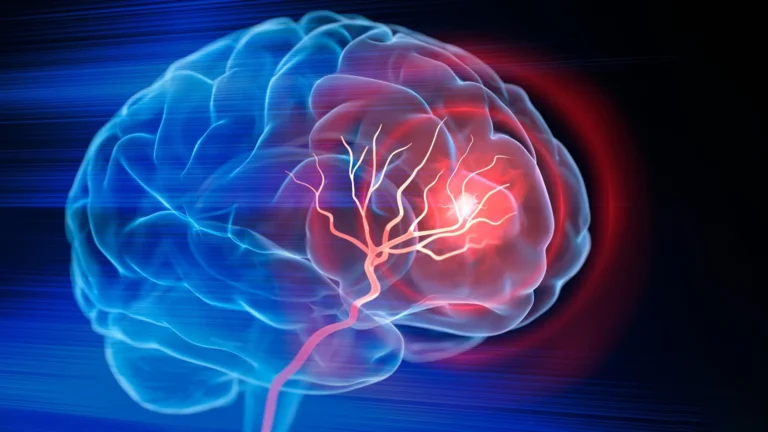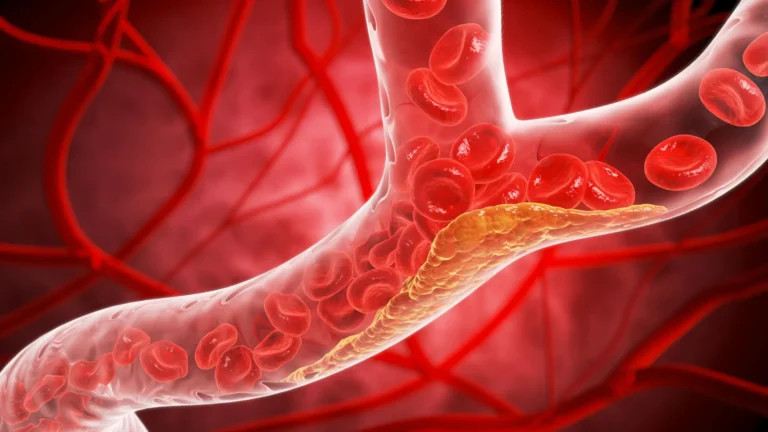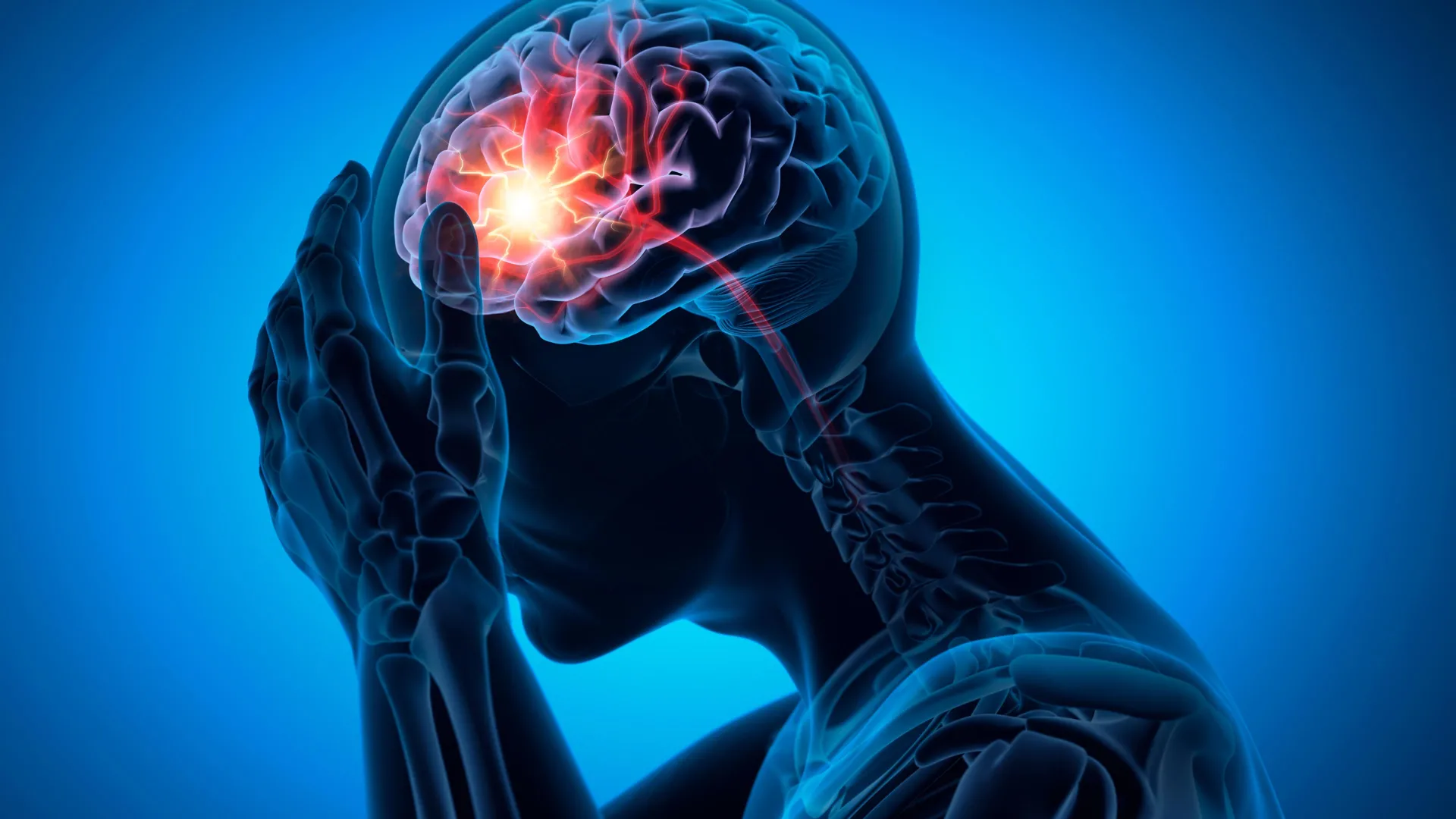
In a paradigm-shifting study that could fundamentally alter the landscape of stroke prevention, an international team of researchers has uncovered evidence that challenges decades of clinical consensus regarding lacunar ischemic strokes. For years, the medical community has operated under the assumption that these strokes—a common and debilitating form of brain injury—are primarily driven by the buildup of fatty plaques within the arteries, similar to the mechanisms that cause heart attacks.
However, new research suggests this focus may be misplaced. The findings indicate that the primary culprit is not plaque-induced narrowing, but rather the structural degradation of the brain’s smallest blood vessels, characterized specifically by the enlargement and elongation of these delicate structures. This revelation provides a long-awaited explanation for why standard antiplatelet therapies, such as aspirin, have historically yielded limited success in preventing these strokes.
The Mystery of the Lacunar Stroke
Lacunar strokes occur when the tiny, deep-seated arteries within the brain are compromised by a condition known as Small Vessel Disease (SVD). Unlike strokes that affect the large arteries of the neck or the surface of the brain, lacunar strokes strike the "plumbing" deep within the brain’s white matter.
These events are not merely acute medical emergencies; they are powerful harbingers of long-term neurodegeneration. They are closely associated with cognitive decline, the onset of dementia, and a high probability of recurrent, often "silent," strokes. Despite their prevalence, the medical community has struggled to pinpoint the exact mechanism behind SVD, leading to a "one-size-fits-all" approach to stroke prevention that, as the new study confirms, may be fundamentally mismatched with the disease’s pathology.
Chronology of the Discovery
The research, published in the journal Circulation, involved a rigorous longitudinal analysis of 229 participants who had either experienced a lacunar stroke or a mild non-lacunar stroke. The study, led by the University of Edinburgh and the UK Dementia Research Institute, utilized a multi-stage approach to isolate the causes of vascular damage:
- Baseline Assessment: Upon enrollment, participants underwent comprehensive clinical and cognitive evaluations to establish a baseline of their neurological health.
- Advanced Imaging: Researchers utilized high-resolution MRI scans shortly after the initial stroke to map the condition of the brain’s vascular network.
- One-Year Follow-Up: Participants returned one year later for secondary imaging and cognitive testing to monitor the progression of brain injury.
- Comparative Analysis: The team systematically compared the presence of "fatty narrowing" (atherosclerosis) in larger vessels against the "widening and elongation" of the smaller, deeper brain vessels.
The results of this longitudinal tracking revealed a stark contrast. While large-artery narrowing was present in some patients, it showed no statistical correlation with the development of lacunar strokes or the progression of SVD. Conversely, the widening of small brain arteries emerged as a primary marker, with patients exhibiting this structural change being more than four times as likely to suffer a lacunar stroke.
Supporting Data: The Case Against Plaque
The data collected during the study provides a compelling argument for reorienting clinical focus. Most notably, the study found that "silent" strokes—small, asymptomatic areas of brain tissue damage—occurred in more than one in four participants over the course of just one year. This occurred despite all participants being on standard, evidence-based stroke prevention regimens.
The correlation between artery widening and disease progression was consistent across the cohort. When these vessels lose their elasticity and begin to widen, the brain’s internal circulatory system becomes prone to fluctuations in blood pressure and flow, which the researchers believe causes cumulative damage that standard antiplatelet drugs—which are designed to prevent blood clots—cannot address.
Key Research Findings
- Decoupling from Atherosclerosis: Large artery narrowing did not predict new brain damage, challenging the common practice of treating lacunar stroke patients with aggressive lipid-lowering therapies alone.
- The "Widening" Marker: The elongation and widening of small vessels were identified as the strongest predictors for the recurrence of strokes and the worsening of SVD.
- The Silent Stroke Epidemic: Over 25% of the study group suffered new, silent brain damage within 12 months, highlighting the urgent need for more effective prophylactic treatments.
Official Responses and Clinical Perspectives
The implications of these findings have sent ripples through the neurological community. Joanna Wardlaw, Professor of Applied Neuroimaging at the University of Edinburgh’s Institute for Neuroscience and Cardiovascular Disease and a Group Leader at the UK Dementia Research Institute, has been at the forefront of the call for a shift in strategy.
"This study provides strong evidence that lacunar stroke is not caused by fatty blockage of larger arteries, but by disease of the small vessels within the brain itself," Professor Wardlaw stated. "Recognising this distinction is crucial, because it explains why conventional treatments like antiplatelet drugs are not as effective for this type of stroke and highlights the urgent need to develop new therapies that target the underlying microvascular damage."
The research is already informing active clinical trials. The LACI-3 (LACunar Intervention Trial 3) study is currently testing whether drugs designed to protect and support the integrity of the brain’s smallest blood vessels can succeed where traditional treatments have failed. By repurposing medications such as cilostazol and isosorbide mononitrate, investigators hope to mitigate the structural damage to the microvasculature, thereby lowering the risk of future strokes and slowing the march toward dementia.
Implications for Future Medicine
The transition from a "plaque-centric" model to a "vessel-structure" model represents a massive shift in how neurologists will approach the aging brain. If the brain’s microvasculature is the primary site of failure, then the focus of future pharmacological interventions must shift toward vascular health, endothelial function, and the structural integrity of vessel walls.
A New Era of Targeted Therapy
The shift in understanding could lead to:
- Personalized Diagnostic Imaging: Using specific MRI protocols to identify early signs of vessel widening rather than relying solely on traditional stroke risk scores.
- Drug Repurposing: Leveraging existing vasodilators or vascular-protective agents that were previously sidelined because they did not target the "clotting" mechanism.
- Neuroprotective Strategies: Focusing on the link between microvascular health and cognitive decline, potentially opening new doors in the treatment of vascular dementia.
The funding landscape for this research—supported by the UK Dementia Research Institute, the Leducq Foundation, the Stroke Association, and the British Heart Foundation, among others—reflects the global recognition of the severity of this issue. As the population ages, the burden of lacunar stroke and its associated cognitive impairments will continue to grow, making this research not just a academic milestone, but a public health imperative.
Conclusion
The findings from the University of Edinburgh and their international partners serve as a reminder that in medicine, the most established dogmas are often the ones most in need of scrutiny. By shifting the focus away from the large-vessel fatty plaques that define our understanding of heart disease and toward the hidden, structural decay of the brain’s deepest vessels, scientists are finally beginning to see the "silent" enemy clearly.
With ongoing trials like LACI-3, the medical community is moving toward a future where patients at risk of lacunar stroke are offered more than just aspirin—they are being offered treatments that address the root of their condition, potentially preserving both their mobility and their minds in the years following a stroke. The path forward is challenging, but for the millions affected by small vessel disease, this research offers a new and vital sense of direction.