










In a medical landscape where cardiovascular disease remains the leading cause of mortality worldwide, a significant paradigm shift may be on the horizon. Researchers from Mass General Brigham have unveiled findings that challenge the traditional "wait-and-see" approach to treating patients with high-risk diabetes. According to a new study presented at the American College of Cardiology’s Annual Scientific Session & Expo and published simultaneously in JAMA, the administration of the PCSK9 inhibitor evolocumab can significantly reduce the risk of a first-ever major cardiovascular event in high-risk patients who have not yet developed clinical atherosclerosis.
This development marks a potential turning point in preventative cardiology, suggesting that intensive cholesterol-lowering therapy—long reserved for those who have already suffered a heart attack or stroke—should be deployed much earlier in the patient’s journey to stave off the initial onset of disease.
The Core Findings: A New Strategy for Primary Prevention
The study, a subgroup analysis of the extensive VESALIUS-CV randomized trial, focused on a specific, vulnerable demographic: patients with diabetes categorized as "high risk" but who lacked the presence of plaque build-up in their artery walls (atherosclerosis).
The data revealed that patients treated with evolocumab experienced a 31% reduction in the risk of experiencing their first major cardiovascular event—a composite measure including death from coronary heart disease, myocardial infarction (heart attack), or ischemic stroke. Over a five-year follow-up period, the incidence of such events was 5% in the evolocumab group, compared to 7.1% in the placebo group. These findings suggest that by aggressively lowering "bad cholesterol" (LDL-C) before the arteries become diseased, clinicians can fundamentally change the trajectory of cardiovascular health.
Chronology: From Trial Design to Clinical Validation
The road to these findings began with the conceptualization of the VESALIUS-CV trial, an ambitious, multi-year study funded by Amgen Inc. To understand the impact of the research, it is essential to look at the timeline of the investigation:
- Patient Selection: Researchers identified 3,655 participants who met the criteria for "high-risk diabetes." This included individuals who had been living with diabetes for at least a decade, those requiring daily insulin therapy, or patients already exhibiting signs of diabetes-related microvascular damage (small blood vessel complications).
- The Intervention: Participants were randomized into two groups. The experimental group received bi-weekly subcutaneous injections of evolocumab, while the control group received a placebo. Notably, both groups continued to receive the gold standard of care, including statins and, where appropriate, ezetimibe.
- The 48-Week Benchmark: By the 48-week mark, the efficacy of the drug was clearly evidenced by the stark divergence in cholesterol levels. The median LDL-C levels plummeted to approximately 52 mg/dL in the evolocumab cohort, compared to 111 mg/dL in the placebo group—a massive 51% reduction.
- Five-Year Follow-Up: The study tracked these patients over nearly five years to monitor the long-term incidence of major cardiovascular events. The sustained reduction in cholesterol correlated directly with the decreased rate of cardiac events, validating the hypothesis that long-term, intensive management is superior to standard care alone.
The Role of LDL-C and the Mechanism of PCSK9 Inhibitors
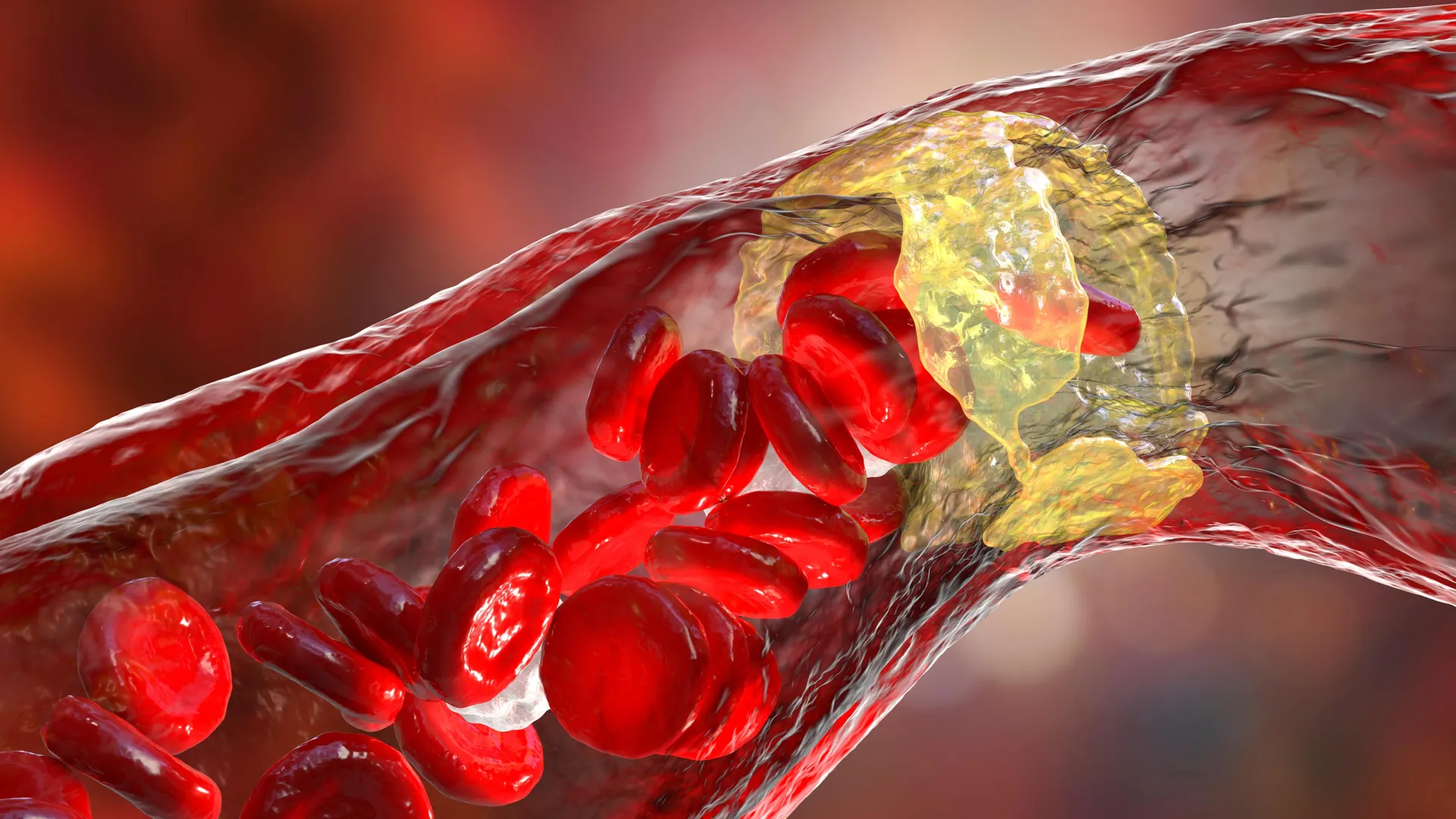
To understand why these results are so compelling, one must consider the biology of atherosclerosis. Low-density lipoprotein cholesterol (LDL-C), colloquially known as "bad cholesterol," is the primary building block of arterial plaque. Over years of elevated exposure, this cholesterol infiltrates the arterial walls, leading to inflammation, narrowing, and eventual blockage.
How PCSK9 Inhibitors Differ from Statins
For decades, statins have been the bedrock of cholesterol management. Statins work by inhibiting the production of cholesterol in the liver. However, PCSK9 inhibitors, such as evolocumab, utilize a different mechanism. PCSK9 is a protein that binds to LDL receptors on the liver, causing them to be degraded. By inhibiting this protein, evolocumab allows more LDL receptors to remain on the surface of liver cells, effectively "clearing" the bad cholesterol from the bloodstream at a much higher rate.
While statins are effective, many patients—particularly those with complex metabolic profiles like diabetes—cannot reach their target LDL levels through statins alone. Evolocumab’s ability to further reduce LDL levels by roughly 60% provides a crucial safety net for high-risk patients.
Official Responses and Expert Commentary
The medical community has reacted with cautious optimism, noting that this study could influence clinical guidelines worldwide.
"For over a decade, intensive cholesterol-lowering therapies have been reserved for patients who already have established cardiovascular disease," said corresponding author Nicholas A. Marston, MD, MPH, a cardiologist with the Mass General Brigham Heart and Vascular Institute. "These results demonstrate the benefit of intensive cholesterol lowering earlier and should change how we think about the prevention of heart attacks, strokes, and heart disease in patients without known significant atherosclerosis."
Dr. Marston’s emphasis on "changing the way we think" highlights the paradigm shift from reactive treatment to proactive risk mitigation. The study underscores that waiting for the first major event to occur before initiating potent therapy may be an outdated strategy, particularly for diabetic patients whose metabolic environment accelerates the progression of vascular damage.
Implications: The Future of Preventive Cardiology
The implications of the VESALIUS-CV subgroup analysis are vast, touching upon clinical practice, insurance policy, and patient care models.
1. Redefining "High Risk"
The study provides a roadmap for identifying patients who may benefit from aggressive intervention before the onset of disease. By focusing on diabetes duration and the presence of microvascular damage, clinicians may have new, measurable metrics to justify the use of advanced therapies like PCSK9 inhibitors earlier in a patient’s treatment plan.
2. Safety and Tolerability
A critical aspect of the study was the safety profile of the treatment. The researchers reported that serious side effects were consistent between the evolocumab and placebo groups. This high level of tolerability is vital, as preventative therapies must be safe enough for long-term, perhaps lifelong, use.
3. The Need for Further Investigation
Despite the promising results, the authors remain circumspect. They acknowledge that while the benefit for high-risk diabetic patients is clear, further research is required to determine if these findings can be generalized to other high-risk populations—such as those with chronic kidney disease or familial hypercholesterolemia—who also lack established atherosclerosis.
4. Economic and Practical Considerations
While the clinical benefits are evident, the practical application of PCSK9 inhibitors involves significant cost and logistical hurdles. As a biological therapy requiring injections, it differs significantly from once-daily oral statins. The future of this treatment will likely depend on cost-effectiveness analyses and the willingness of healthcare systems to invest in expensive primary prevention to avoid the even higher downstream costs of emergency cardiac procedures and long-term disability.
Conclusion
The Mass General Brigham study represents a significant leap forward in the treatment of patients with high-risk diabetes. By demonstrating that evolocumab can substantially reduce the risk of primary cardiovascular events in patients without atherosclerosis, the researchers have provided a powerful argument for earlier, more intensive intervention.
As the medical community continues to review these findings, the focus will likely shift toward integrating these powerful tools into standard primary care protocols. For the millions of individuals living with diabetes, the hope is that this research will translate into more robust, proactive strategies that prevent the tragedy of a first heart attack or stroke before it ever happens.
Author Disclosures and Funding Note
This study was funded by Amgen Inc. Several researchers, including Dr. Marston and members of the TIMI Study Group, reported receiving grant support, personal fees, or honoraria from Amgen and other pharmaceutical entities. A full disclosure list is available in the original JAMA publication. The trial reflects a rigorous, multi-institutional effort to refine the boundaries of preventive cardiology, relying on the collaboration of experts from Brigham and Women’s Hospital, international universities, and clinical centers worldwide.