




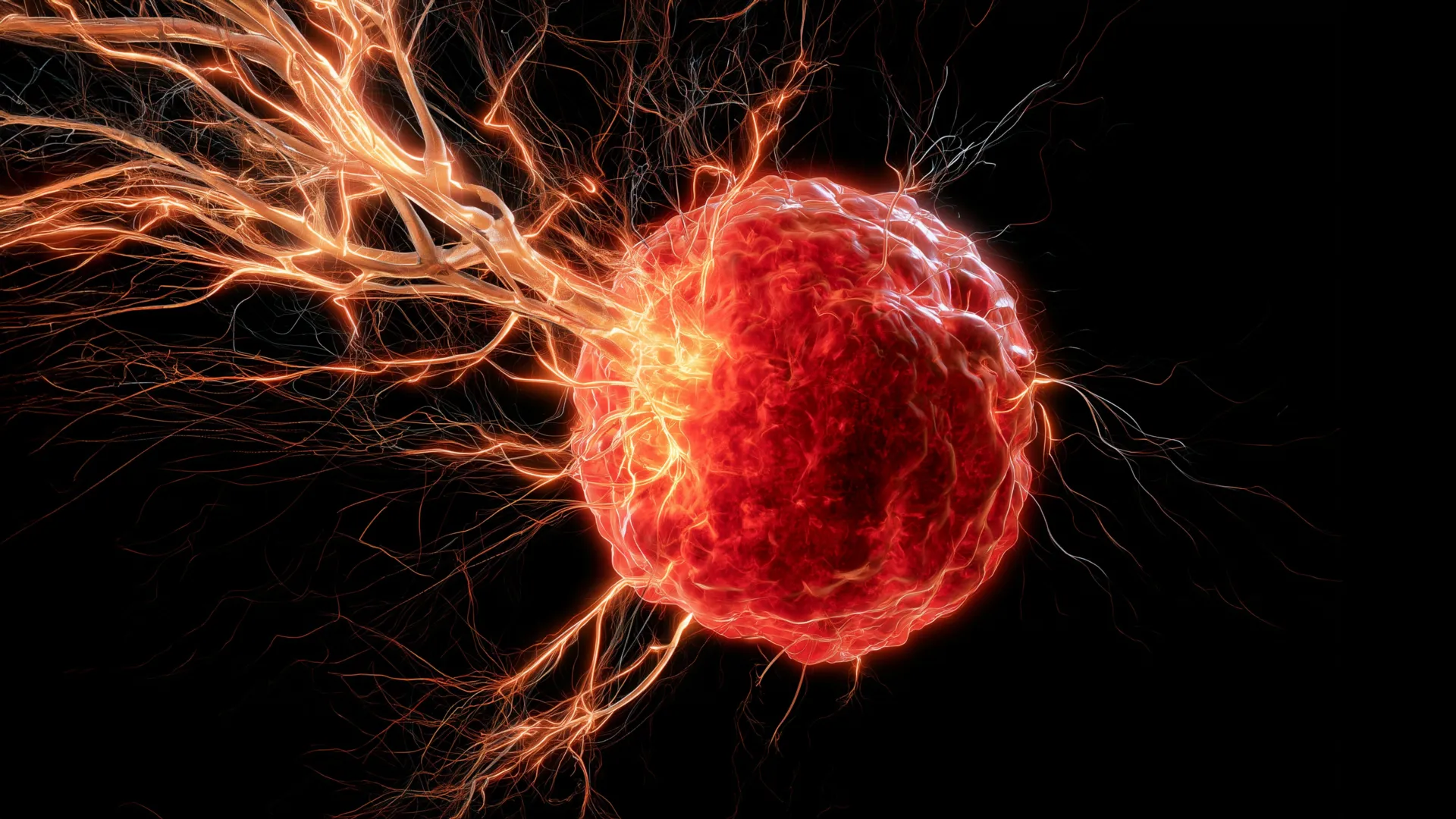
In the complex battlefield of oncology, researchers have long observed a puzzling phenomenon: aggressive solid tumors often appear to be "hardwired" into the body’s peripheral nervous system. For years, the presence of these extensive nerve networks within malignant growths was noted, yet the mechanics of how these nerves were recruited remained shrouded in mystery.
A groundbreaking study led by the University of Oklahoma (OU) has now unveiled a chilling biological "Trojan horse" strategy. Published in the journal Cell Death & Differentiation, the research reveals that triple-negative breast cancer (TNBC)—one of the most aggressive and treatment-resistant forms of the disease—actively manipulates the immune system to invite nerves into its core. By hijacking macrophages, the tumor creates a supportive microenvironment that fosters its own growth, effectively turning the body’s defenses against itself.
The Chronology of Discovery: From Observation to Mechanism
The journey to this discovery began with a simple, yet profound observation: solid tumors are not isolated masses; they are deeply integrated into the host’s physiological architecture. While scientists previously identified nerve fibers threading through various cancers, the "how" remained an open question.
The Recruitment Hypothesis
The OU research team, led by Maureen Cox, Ph.D., an assistant professor in the Department of Microbiology and Immunology at the OU College of Medicine, hypothesized that tumors were not passive bystanders in this process. Instead, they posited that tumors were actively signaling to the environment to recruit nerve cells.
The Role of Macrophages
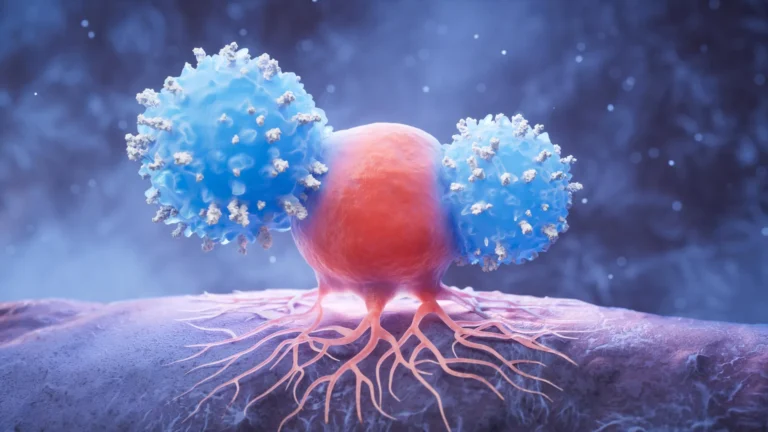
Focusing their investigation on the tumor microenvironment, the team identified a critical intermediary: macrophages. These immune cells are the body’s "cleanup crew," responsible for phagocytosis—engulfing cellular debris and pathogens. In the context of cancer, however, these cells are often "reprogrammed" by the tumor to support its expansion rather than destroy it.
The researchers discovered that in TNBC, these hijacked macrophages secrete a protein known as brain-derived neurotrophic factor (BDNF). While BDNF is vital for neural development and maintenance in a healthy brain, its presence in a tumor acts as a potent attractant for nerve fibers.
Experimental Validation
To prove this mechanism, the team moved to murine models. By inhibiting the BDNF signaling pathway, the researchers effectively severed the "chemical leash" between the macrophages and the nerves. The result was twofold: nerve infiltration into the tumors ceased, and, crucially, the overall growth rate of the tumors slowed significantly. This provided the first clear evidence that nerve recruitment is a functional necessity for the tumor’s aggressive progression.
Supporting Data: Translating Findings to Human Pathology
The validity of the study extends beyond the laboratory bench and into the clinical reality of cancer patients. To determine if the mechanism observed in mice was relevant to human oncology, the OU researchers conducted a retrospective analysis of tissue samples from triple-negative breast cancer patients.
Correlation and Prognosis
The data revealed a stark correlation: patients whose tumors displayed higher densities of macrophages and elevated levels of BDNF protein experienced poorer clinical outcomes and lower survival rates. This clinical evidence serves as a vital bridge, suggesting that the "nerve-recruitment" pathway is not merely an anomaly in a controlled experiment but a significant biological driver of disease progression in human patients.
The Mechanism of Malignancy
Why would a tumor want nerves? The researchers suggest that the nervous system provides more than just structural support. Nerves can stimulate the formation of new blood vessels (angiogenesis), which act as a vital supply chain for oxygen and nutrients that allow a tumor to grow rapidly. Furthermore, emerging evidence suggests that cancer cells may utilize nerve fibers as "highways" for metastasis, migrating along these biological conduits to escape the primary tumor and colonize distant organs.
Official Responses: Shifting the Paradigm of Cancer Therapy
The findings have sent a ripple of excitement through the oncology community, as they suggest a paradigm shift in how we approach "untreatable" cancers.
"Macrophages are the critical source for drawing nerves into the tumor," explained Dr. Maureen Cox. "Although macrophages typically play a positive role in the body, they are facilitating a negative function in this scenario of breast cancer."
Rethinking the Therapeutic Arsenal
Current cancer therapies—such as chemotherapy and radiation—are largely focused on the "scorched earth" policy of destroying rapidly dividing cells. However, if the tumor’s survival depends on a symbiotic relationship with the nervous system, then targeting that relationship could be the "Achilles’ heel" researchers have been searching for.
"It looks really promising that we can use this drug, which is already on the market, to target BDNF," Dr. Cox noted. "We believe that the nerves are immunosuppressive, so if we can stop the nerves from growing in the first place, maybe we can boost the immune response to help fight the cancer."
By repurposing existing drugs that block BDNF signaling, clinicians might be able to effectively "starve" the tumor of its neural support network, potentially re-sensitizing the cancer to conventional immunotherapies.
Future Implications: A New Frontier in Oncology
The implications of the OU study are vast, extending far beyond the current focus on triple-negative breast cancer.
Beyond Breast Cancer
The research team has already outlined plans to investigate whether this same mechanism drives other aggressive malignancies. Specifically, they intend to focus on high-grade ovarian cancer, a disease notorious for its late diagnosis and poor prognosis. If the "nerve-macrophage" axis is a universal feature of aggressive tumors, it could lead to a new class of "nerve-blocking" adjunct therapies that could be applied across multiple cancer types.
Restoring Immune Surveillance
The ultimate goal, as Dr. Cox articulated, is to "turn the anti-tumor immunity back on." By stripping the tumor of its nerve supply, researchers believe they can reduce the immunosuppressive environment that currently shields cancer cells from the patient’s own immune system. This could potentially transform "cold" tumors—those that do not respond to immunotherapy—into "hot" tumors that are susceptible to the body’s natural defenses.
A Foundation of Collaborative Support
The success of this study is rooted in robust institutional and federal support. The research was funded by the National Institute of General Medical Sciences (NIGMS) of the National Institutes of Health (NIH), specifically under award numbers P20GM103447 and P20GM103639.
Furthermore, the project benefited from the infrastructure provided by Oklahoma’s Tobacco Settlement Endowment Trust (TSET), a critical financier of the Stephenson Cancer Center at the University of Oklahoma. Additional support was provided by the Oklahoma Shared Clinical and Translational Resources through an Institutional Development Award (grant no. U54GM104938). This collaborative framework highlights the importance of sustained, long-term funding in unraveling the most complex biological puzzles of human disease.
Conclusion: The Path Forward
The discovery that breast cancer behaves like a biological parasite, manipulating both the immune system and the nervous system to secure its own survival, is a sobering reminder of the complexity of the disease. However, it also provides a clear roadmap for intervention. By identifying the specific proteins and immune cells involved in this process, scientists have moved from simply observing the behavior of cancer to actively identifying its vulnerabilities.
As the research moves toward potential clinical trials, the medical community remains hopeful. If this strategy proves successful in human patients, it would represent a significant leap forward in the fight against triple-negative breast cancer and other aggressive, treatment-resistant malignancies. The battle against cancer is long, but with every mechanism decoded, the path toward a cure becomes increasingly defined. Through the intersection of neuroscience and immunology, the future of cancer treatment may lie in the very systems we once thought were mere bystanders in the process of tumor growth.