











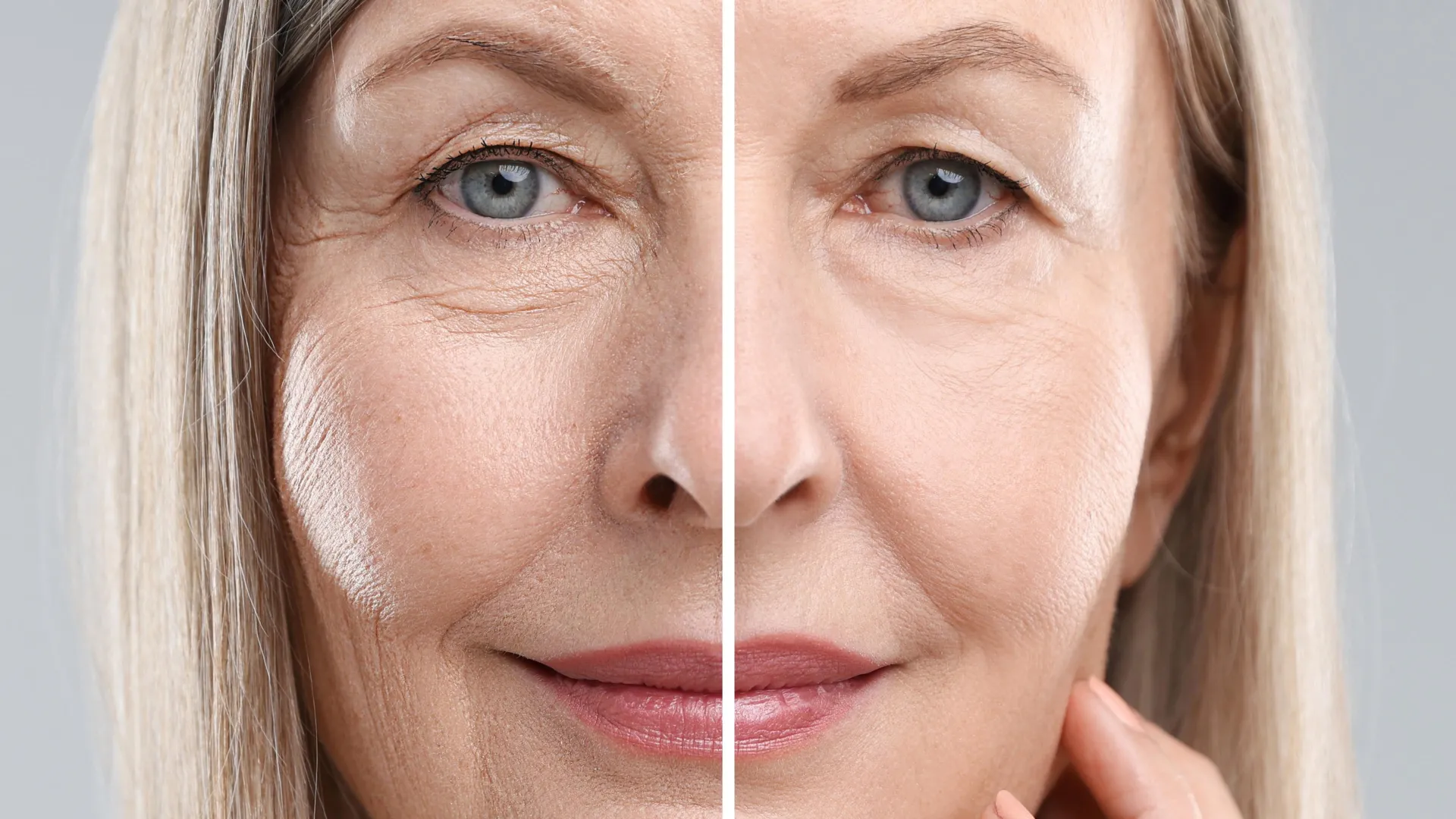
For generations, the concept of aging was viewed as an immutable, linear progression—a countdown dictated by the calendar. We reach 65, then 70, then 75, and our physiology is expected to follow suit. However, a groundbreaking study from the University of Sydney is challenging this fatalistic view, suggesting that the "biological clock" ticking within our cells may be more adjustable than previously imagined, and that the dial can be turned back through simple, targeted dietary interventions.
In a study published in the journal Aging Cell, researchers have uncovered compelling evidence that older adults aged 65 to 75 can significantly improve markers associated with biological aging in as little as four weeks. By simply shifting the composition of their macronutrient intake—specifically by reducing dietary fat or animal-based proteins—participants saw a measurable decline in their biological age, a metric that reflects the body’s actual functional health rather than the number of birthdays celebrated.
The Distinction Between Chronological and Biological Age
To understand the weight of these findings, one must first distinguish between chronological age and biological age. Chronological age is a fixed measurement of time—the years elapsed since birth. It is a constant, unaffected by lifestyle, environment, or genetics.
Biological age, by contrast, is a fluid assessment of physiological vitality. It captures the "wear and tear" on the body’s systems, including cardiovascular health, metabolic efficiency, and systemic inflammation levels. Two individuals of the exact same chronological age can exist in vastly different biological states; one may be biologically "younger" due to high cellular resilience, while another may be "older" due to systemic inflammation or metabolic strain.
When researchers speak of "reversing" biological age, they are not suggesting a literal return to youth, but rather an optimization of the body’s internal machinery. By improving markers such as cholesterol, insulin sensitivity, and levels of C-reactive protein (a key indicator of inflammation), the body can function with the vigor typically associated with a younger physiological profile.
A Four-Week Timeline: The Chronology of the Study
The study, titled the "Nutrition for Healthy Living" project, was conducted at the University of Sydney’s prestigious Charles Perkins Centre. It involved 104 participants, all between the ages of 65 and 75. To ensure the integrity of the data, the researchers implemented strict criteria for enrollment: all participants were non-smokers, non-vegetarians, and lacked severe underlying conditions such as type-2 diabetes, cancer, or advanced renal/liver disease.
The experiment was structured over a brief four-week period to determine how quickly the body might respond to dietary manipulation. The participants were randomly assigned to one of four specific dietary protocols, all of which maintained a consistent protein intake of 14 percent of total daily energy.
The groups were divided based on their protein source (omnivorous vs. semi-vegetarian) and their macronutrient distribution (high-fat vs. high-carbohydrate):
- Omnivorous High-Fat (OHF): A diet mirroring the participants’ pre-study habits.
- Omnivorous High-Carbohydrate (OHC): A diet focusing on reduced fat and increased carbohydrates, while maintaining animal protein.
- Semi-Vegetarian High-Fat (VHF): A diet emphasizing plant-based proteins but maintaining a higher fat content.
- Semi-Vegetarian High-Carbohydrate (VHC): A diet emphasizing plant-based proteins and higher carbohydrate intake.
By the conclusion of the 28-day window, the researchers analyzed the biomarker profiles of every participant, comparing their physiological status against the baseline data collected at the start of the study.
Supporting Data: Which Diets Won the Race?
The results were as telling as they were surprising. The group that adhered to the "Omnivorous High-Fat" diet—the regimen most similar to their original, pre-study eating habits—showed virtually no change in their biological age markers. They were, in effect, maintaining their status quo.
However, the three other groups experienced a statistically significant reduction in their estimated biological age. The most pronounced improvements were observed in the Omnivorous High-Carbohydrate (OHC) group. These participants consumed a diet consisting of 14 percent protein, 28 to 29 percent fat, and 53 percent carbohydrates.
This specific balance appears to have acted as a "reset" for metabolic and inflammatory markers. By lowering the intake of fat—which is often associated with pro-inflammatory responses in high-fat, westernized diets—and increasing the intake of carbohydrates (which, in this context, refers to complex, nutrient-dense fuel), the body’s systemic stress was markedly reduced.
The study utilized a sophisticated composite of 20 distinct biomarkers to arrive at these scores. These included:
- Cholesterol levels: Essential for monitoring cardiovascular risk and arterial health.
- Insulin sensitivity: A primary marker for metabolic flexibility and the prevention of glucose-related cellular damage.
- C-reactive protein (CRP): A crucial indicator of chronic, low-grade systemic inflammation, which is a hallmark of the aging process.
When these markers were aggregated, the "biological age" of the OHC, VHF, and VHC groups shifted downward, suggesting that the body was functioning as if it were physiologically younger than it was just four weeks prior.
Official Responses and Scientific Caution
While the data is undeniably optimistic, the researchers behind the study have been careful to temper public excitement with scientific rigor. Dr. Caitlin Andrews, the study’s lead author from the School of Life and Environmental Sciences, emphasized that while these findings represent a "promising early signal," they do not yet constitute a blueprint for longevity.
"It’s too soon to say definitively that specific changes to diet will extend your life," Dr. Andrews noted. "But this research offers an early indication of the potential benefits of dietary changes later in life."
Associate Professor Alistair Senior, who supervised the research, echoed this sentiment, highlighting the need for longitudinal analysis. "Longer-term dietary changes are needed to assess whether these shifts alter the risk of age-related diseases," Senior stated.
The scientific community recognizes a critical distinction between improving a "biomarker" and "slowing the aging process." A biomarker is a proxy; while a lower C-reactive protein level is excellent, it does not guarantee a total cessation of the aging process. The question remains whether these four-week gains are a temporary spike in vitality or if they represent the foundation of long-term health span extension.
Implications for Public Health and Longevity
The implications of the University of Sydney’s research are far-reaching. If a mere four-week dietary adjustment can shift the needle on biological markers in older adults, it suggests that the "aging process" is not a one-way street.
1. The Power of Dietary Flexibility
The study underscores that the body retains a degree of plasticity even in the seventh and eighth decades of life. For public health officials, this is a clarion call to move away from "one size fits all" nutritional guidelines and toward more targeted, evidence-based dietary interventions for the elderly.
2. Inflammation as a Target
The reduction in inflammation markers observed in the study is particularly significant. Chronic inflammation is increasingly recognized as a "driver" of many age-related pathologies, including dementia, cardiovascular disease, and autoimmune decline. By utilizing diet to dampen this inflammatory fire, we may be able to lower the incidence of these chronic conditions.
3. Future Research Directions
The researchers have identified several paths forward. Future studies must determine:
- Persistence: Can these biological age reductions be maintained for six months, a year, or a decade?
- Disease Prevention: Does the drop in biological age correlate with a decrease in the incidence of heart disease, type-2 diabetes, and cognitive decline?
- Generational Scope: Do these findings apply to younger cohorts, or is the body’s responsiveness to these dietary changes specific to the 65–75 age bracket?
Conclusion: A New Era of Nutritional Science
The University of Sydney study serves as a powerful reminder that our daily choices are constantly interacting with our biology. While the Fountain of Youth remains a myth, the data suggests we possess a "biological thermostat" that can be adjusted.
By prioritizing lower-fat, plant-forward diets, older adults may be able to nudge their physiology toward a more youthful, resilient state. While we await the results of longer-term studies to confirm whether these biomarker shifts translate into a longer lifespan, the immediate takeaway is clear: it is never too late to change the way we fuel our bodies. The clock may keep ticking, but we now have evidence that we can influence the speed at which it runs.