











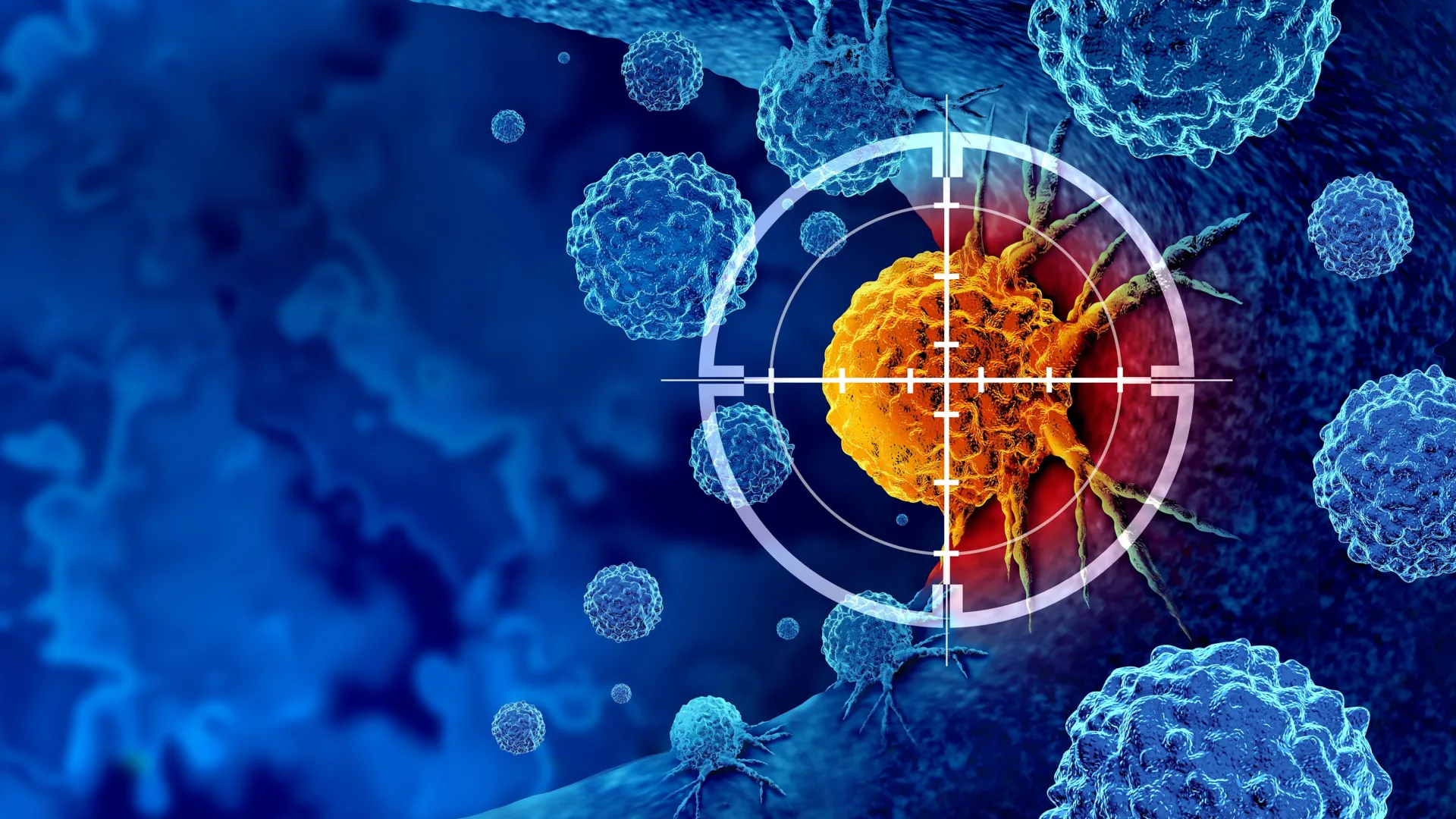
For decades, the promise of immunotherapy—a treatment modality that trains the body’s own immune system to recognize and eliminate malignant cells—has been a cornerstone of modern oncology. By unleashing the power of T cells, doctors have achieved unprecedented success in treating cancers like melanoma and certain lung carcinomas. However, for millions of patients, this promise remains unfulfilled. Prostate cancer, in particular, has remained notoriously resistant, often described by oncologists as "immune cold." These tumors effectively cloak themselves, becoming invisible to the immune system’s primary defenders.
Now, a groundbreaking study published in Nature Biomedical Engineering offers a potential paradigm shift. Researchers, led by a collaborative team from the University of Rochester and Duke University, have developed an experimental RNA-targeting technology that effectively "re-lengthens" shortened genetic instructions within cancer cells. By doing so, they have successfully stripped away the tumor’s camouflage, making it highly vulnerable to immune attack.
The Problem: Why Prostate Cancer Remains "Immune Cold"
To understand the magnitude of this discovery, one must first understand the fundamental failure of current immunotherapies in prostate cancer. The immune system relies on a complex series of checkpoints and signals to distinguish "self" from "non-self." The MHC-1 complex (Major Histocompatibility Complex class I) acts as a critical molecular antenna on the surface of cells, presenting internal protein fragments to patrolling T cells. If a T cell identifies an abnormal or cancerous fragment, it triggers a cascade of destruction.
In many prostate tumors, this antenna is missing or deactivated. Consequently, the tumor becomes "immune cold," meaning it lacks the necessary T-cell infiltration required for immunotherapies—such as checkpoint inhibitors—to gain any traction. Without these T cells, the tumor continues to grow unchecked, indifferent to the presence of an immune system that is essentially blind to its existence.
A Twelve-Year Journey: From Glioblastoma to Prostate Cancer
The origins of this breakthrough date back over a decade. Eric J. Wagner, PhD, a co-author of the study and professor of Biochemistry and Biophysics at the University of Rochester, was investigating glioblastoma, a highly aggressive brain cancer, when his team stumbled upon an anomaly: the messenger RNAs (mRNAs) within the tumor cells were consistently shorter than those in healthy tissue.
Messenger RNA is the vital intermediary that carries genetic instructions from DNA to the cell’s protein-making machinery. Wagner’s team hypothesized that this shortening was not a random defect but a deliberate survival strategy. Just as animals might evolve smaller physical forms to survive in harsh environments, tumor cells appear to use "compact" mRNA to avoid degradation. By shortening these strands, the cancer cells increase the stability of their genetic instructions, preventing enzymes from "eating" them. This stability allows the cancer to bypass cellular regulatory controls, producing an overabundance of proteins that aid in tumor survival, growth, and immune evasion.
CRISPR Reimagined: The RNA-Targeting Approach
The research team, spearheaded by scientists at the Duke University School of Medicine, sought to reverse this evolutionary trick. They focused on a specific protein called SPSB1, which plays a pivotal role in the degradation of the MHC-1 complex. By producing excessive amounts of SPSB1, prostate cancer cells effectively "shut off" their own immune signals.
To counter this, the team deployed a sophisticated CRISPR-based system. Unlike traditional CRISPR-Cas9, which is famous for its ability to cut or "edit" DNA, this new approach utilizes a Cas13 system engineered for a more delicate task: binding without cutting.
By targeting the mRNA responsible for creating SPSB1, the CRISPR tool acts like a molecular scaffold. It attaches to the end of the shortened mRNA, preventing the cell’s internal machinery from further trimming it. By forcing the mRNA to return to its original, longer length, the production of the harmful SPSB1 protein is significantly reduced. With SPSB1 levels lowered, the MHC-1 complex is restored, and the "immune magnet"—the signal that calls T cells to the tumor—is once again active.
Supporting Data: Efficacy in Preclinical Models
The results of the study are compelling. When the researchers applied this RNA-targeting technology to prostate cancer models in mice, the therapeutic outcomes were stark. The re-lengthened mRNA successfully restored MHC-1 expression, which in turn allowed T cells to infiltrate the tumor environment.
Once inside, these immune cells did not merely congregate; they actively engaged in the destruction of the malignant tissue. When combined with traditional immune checkpoint therapy, the CRISPR-based intervention saw a significant improvement in tumor response rates compared to control groups. Crucially, the researchers conducted rigorous genomic analysis to check for "off-target" effects—instances where the CRISPR tool might accidentally alter the wrong genes. They found none, suggesting a high level of specificity and a strong safety profile for this experimental approach.
Official Responses and Expert Perspectives
"Immune therapy is a monumentally different way to treat cancer, and a great way because you don’t have to give patients terrible drugs that kill the cancer but harm healthy cells in the process," Dr. Wagner stated following the publication of the findings. "The problem is that some cancers respond well to immune therapy, but others develop resistance or don’t respond at all. Our tool strengthens the immune system’s ability to make the cancer go away."
Wagner emphasized that this is not a standalone cure but a "synergistic" partner for existing treatments. "Cancer is super smart at evolving, but it’s not a magician," he added. "If we can hit it with immunotherapy and another synergistic drug that pumps up the immune response, we could potentially cure it. It won’t be able to evolve fast enough."
This sentiment is echoed by the broader scientific community, which has long sought a way to sensitize "cold" tumors. By addressing the fundamental genetic architecture of the tumor cell rather than just the immune system’s response, the researchers have opened a new front in the war against cancer.
Implications: A Broader Horizon for Oncology
The success of this study has immediate implications that extend far beyond prostate cancer. Because the phenomenon of mRNA shortening is a common trait across multiple cancer types, the team’s findings suggest a universal mechanism of immune evasion.
If this technology can restore the immune-sensing capabilities of prostate cancer, it stands to reason that it could do the same for other notorious "cold" cancers, such as pancreatic, breast, and ovarian tumors. The research team is already taking the first steps toward testing this hypothesis. With pilot funding secured from the Wilmot Cancer Institute and the Roswell Park Comprehensive Cancer Center, Wagner and his colleagues are expanding their investigations into pancreatic cancer models.
If these subsequent trials prove successful, the medical community may be on the cusp of a new era of "precision immunotherapy." Rather than attempting to force the immune system to recognize a tumor that has effectively hidden itself, this approach removes the mask, allowing the body’s innate defense systems to do what they were designed to do: identify and eliminate threats.
Conclusion: The Path Forward
While the technology is currently in the preclinical stage, the implications for human health are profound. The ability to manipulate the structural integrity of mRNA represents a sophisticated leap forward in genetic medicine. It moves the needle from "treating" the tumor with toxic chemicals to "re-educating" the tumor’s internal environment to be recognizable by the immune system.
As the team prepares for further studies, the medical community remains cautiously optimistic. The transition from laboratory success to clinical application is never without hurdles, but the discovery that we can force cancer cells to "lengthen" their own genetic instructions marks a significant departure from previous therapeutic failures. If this CRISPR-based RNA intervention proves safe and effective in humans, it could transform once-lethal "cold" tumors into manageable—or even curable—conditions, marking a historic achievement in the ongoing effort to outsmart one of humanity’s most elusive diseases.