









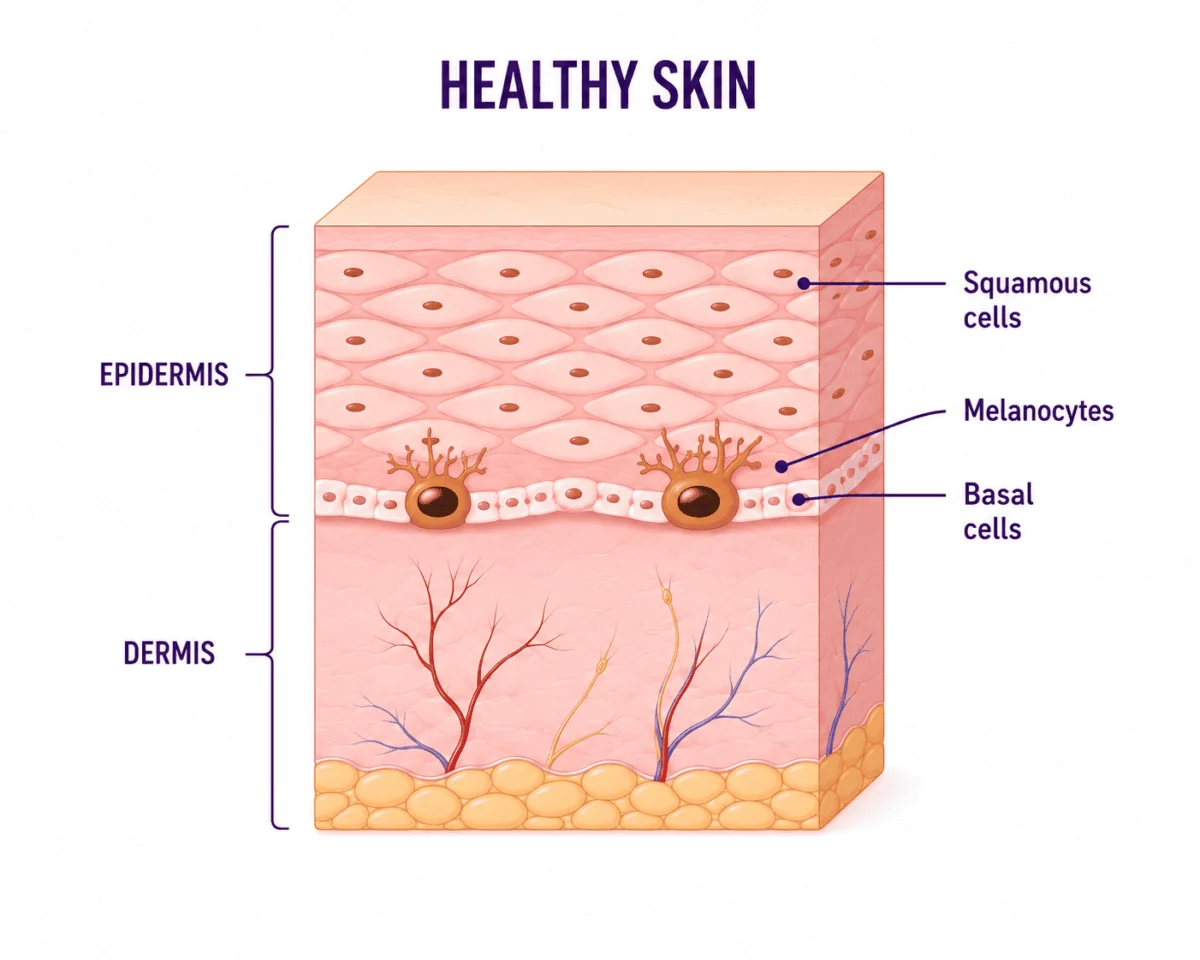
Your skin is the body’s largest organ, a complex, resilient, and vital barrier that shields you from environmental threats. Yet, it is also one of the most vulnerable. As we observe Ultraviolet (UV) Radiation Safety Awareness Month this July, the Cancer Research Institute (CRI) underscores a critical message: while skin cancer is a pervasive health concern, it is also one of the most preventable—and, thanks to monumental leaps in medical science, increasingly treatable.
The Invisible Threat: Understanding UV Radiation
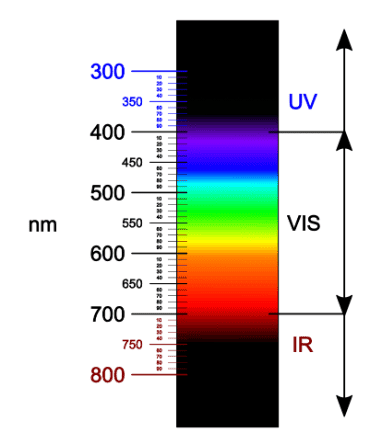
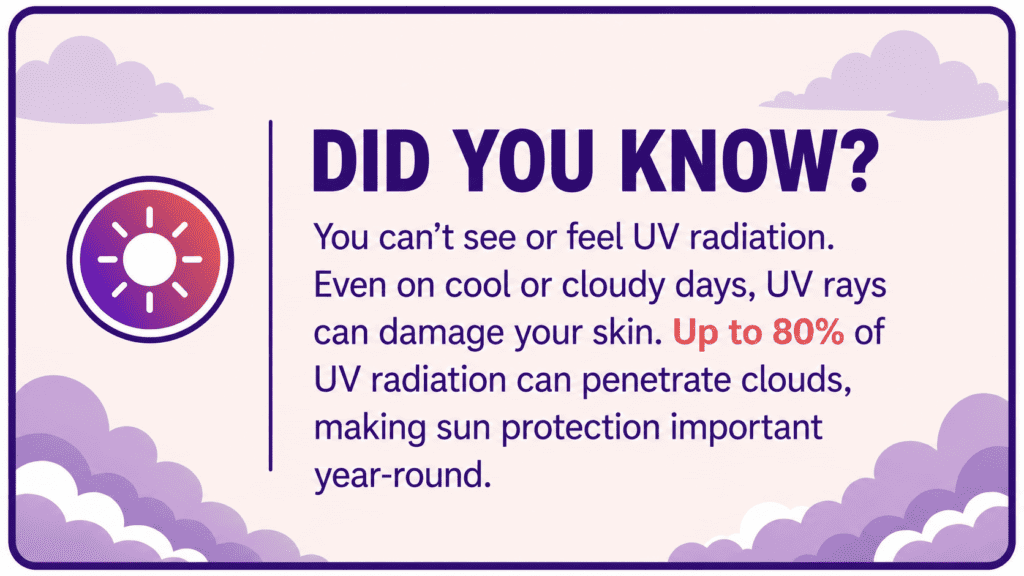
UV radiation is an invisible force—wavelengths between 100 and 400nm—that emanates naturally from the sun and is artificially replicated in tanning beds. Because it cannot be seen or felt until damage has already occurred, many underestimate its power.
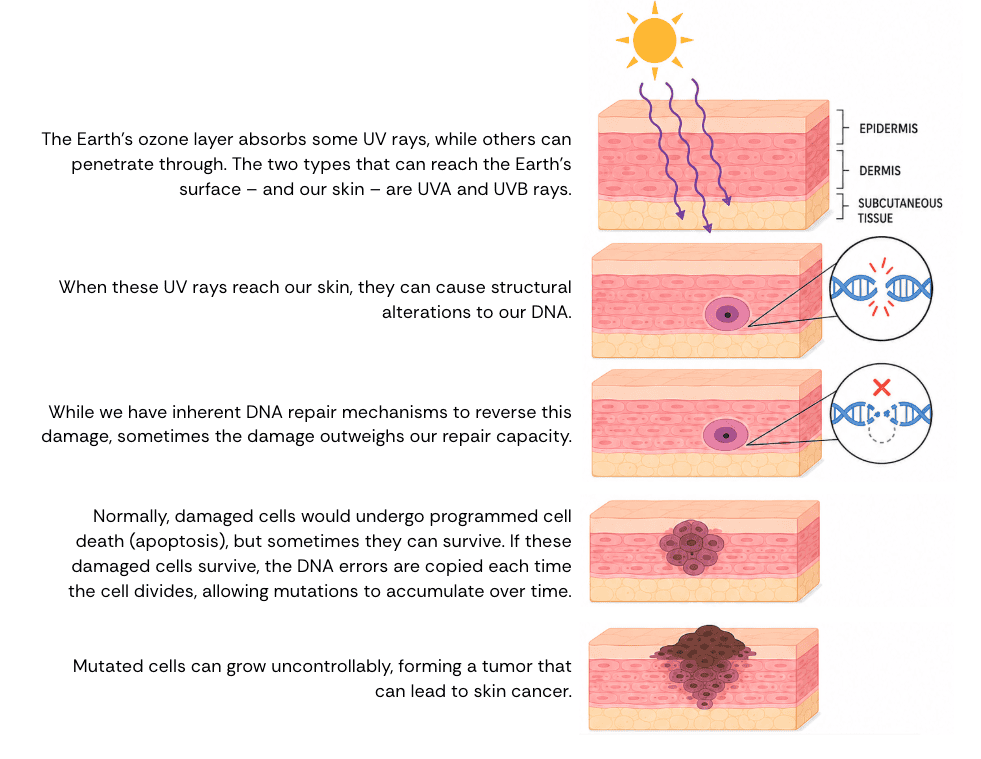
The biological impact of UV exposure is cumulative. Each time you step outside without protection, the skin absorbs UV rays that penetrate the cellular structure, triggering DNA damage. While the body has built-in repair mechanisms, they are not infallible. Over years of repeated exposure, these errors in DNA replication can accumulate, leading to cells that grow uncontrollably—the hallmark of cancer.
The Mechanism of Malignancy
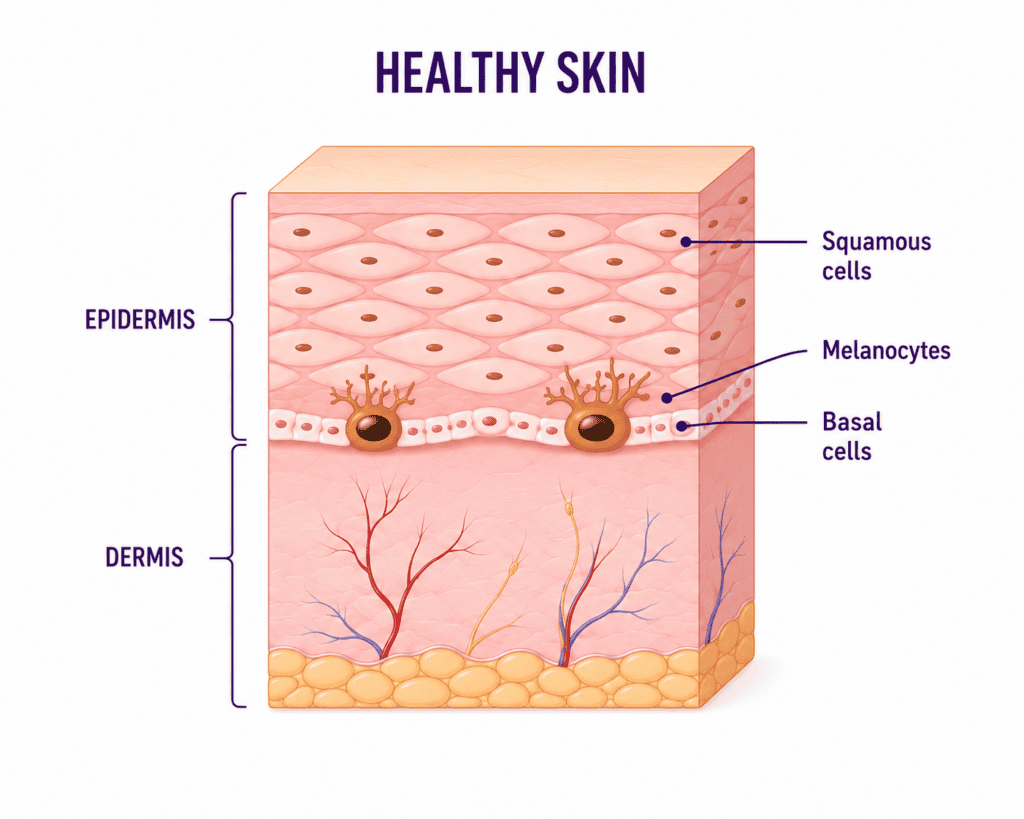
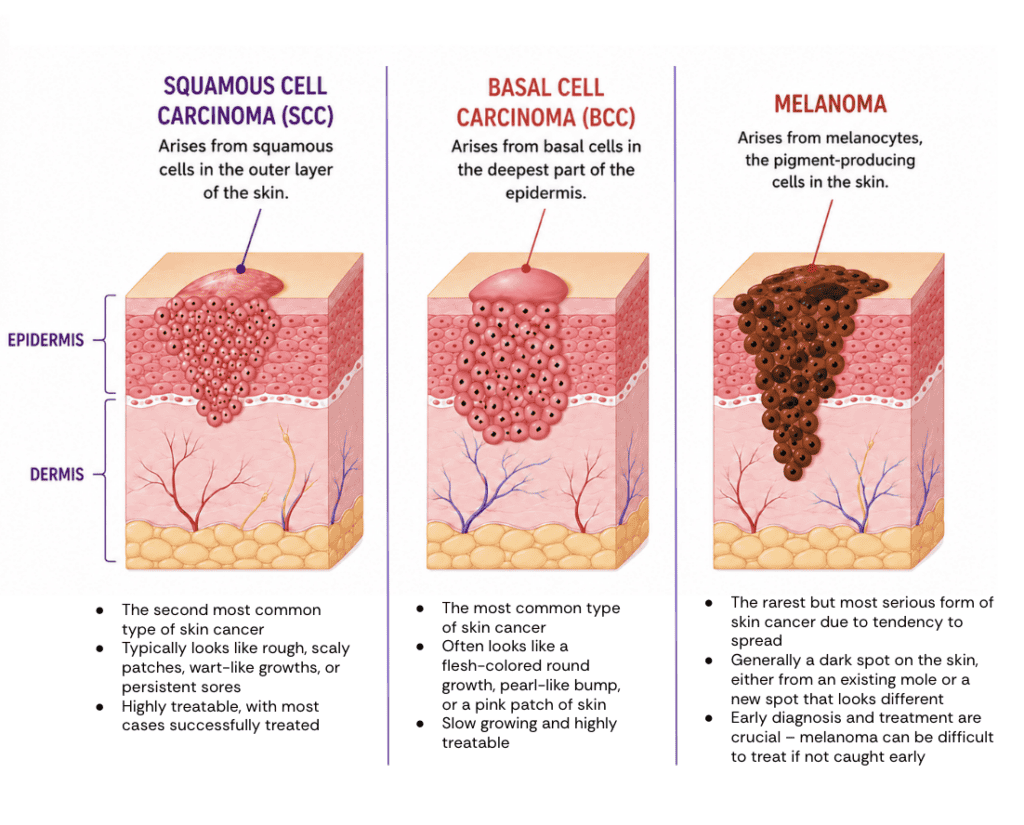
When UV radiation breaches the skin, it targets the DNA within keratinocytes and melanocytes. When the genetic code is corrupted, the cell loses its ability to regulate its own growth cycle. The resulting malignancy is classified by the specific cell type involved. Whether it is basal cell carcinoma, squamous cell carcinoma, or the more aggressive melanoma, the common denominator remains the same: the environment of the skin has been fundamentally altered by radiation.
A Chronology of Hope: From Diagnosis to Remission
The history of cancer treatment has been defined by a shift from broad-spectrum therapies to precision medicine. For decades, a diagnosis of advanced melanoma was essentially a terminal sentence. However, the emergence of immunotherapy has rewritten this narrative.
The Breakthrough: Immune Checkpoint Inhibitors (ICIs)
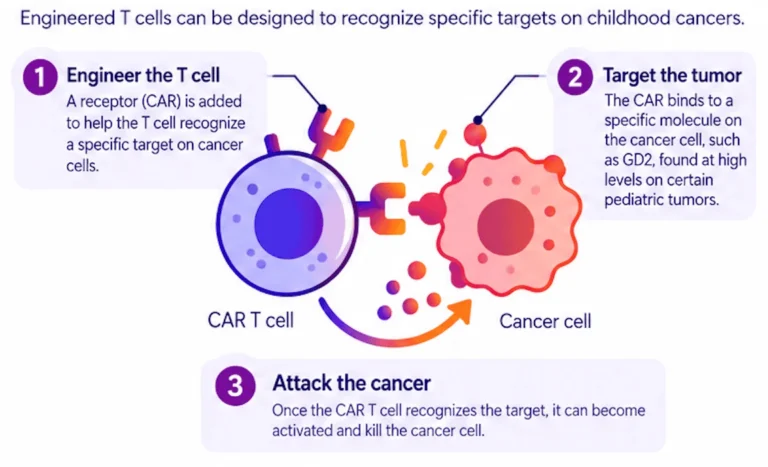
The most significant turning point in skin cancer treatment was the development of Immune Checkpoint Inhibitors (ICIs). Tumors are masters of disguise; they often hijack the body’s natural "brakes"—molecular pathways designed to prevent autoimmune reactions—to shield themselves from the immune system. ICIs work by releasing these brakes, effectively unmasking the tumor and allowing the body’s own T-cells to identify, target, and destroy malignant cells.
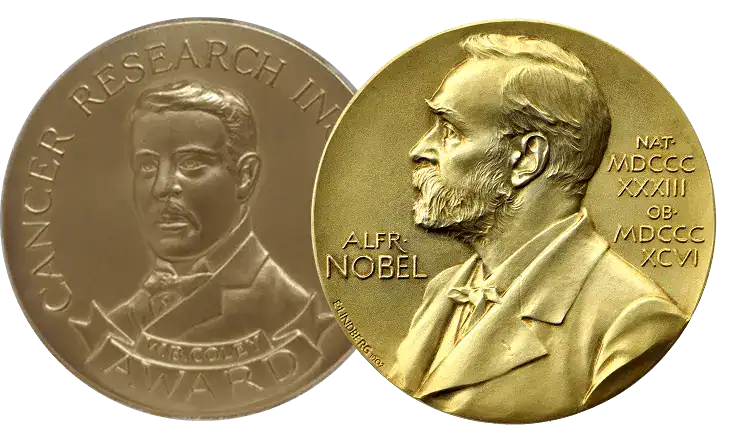
This scientific triumph is deeply rooted in the work of James P. Allison, PhD, Director of the CRI Scientific Advisory Council. Dr. Allison’s foundational research into T-cell biology earned him the Nobel Prize in Physiology or Medicine in 2018, but his impact is best measured in human lives.
The Human Element: Sharon Belvin’s Story
One of the most poignant testaments to this progress is the story of Sharon Belvin. Diagnosed with Stage 4 melanoma at just 22 years old, Sharon was running out of time and options. She became one of the very first patients to enroll in early clinical trials for ICIs.
Reflecting on her journey, Sharon recalls, "Hearing the words ‘You have cancer’ carries a weight that’s almost impossible to describe. I remember the fear, the uncertainty, and the question that echoed in my mind every single day: How much time do I really have left?"
Two decades later, Sharon is not only cancer-free, but she has also seen Dr. Allison officiate her wedding. Her survival is a direct result of decades of persistent laboratory research, proving that scientific inquiry is not merely an academic pursuit—it is a lifeline.
Supporting Data: The Current Landscape of Skin Cancer
Despite the success of immunotherapy, the medical community remains vigilant. The data indicates that while survival rates for melanoma have improved drastically, significant hurdles remain.
- Prevalence: Skin cancer remains the most common form of cancer in many parts of the world, largely driven by lifestyle factors and UV exposure.
- The Responder Gap: Approximately 30% to 50% of patients with advanced melanoma still do not respond to currently available ICIs. This statistic drives the next generation of cancer research.
- Cumulative Damage: Clinical evidence confirms that even short, intense bursts of UV exposure—such as blistering sunburns during childhood or adolescence—significantly elevate the lifetime risk of developing skin cancer, highlighting the urgency of early prevention.
Ongoing Research: Mapping the "Cellular Neighborhood"
Why do some patients thrive on immunotherapy while others show no response? This is the central question occupying researchers like Katie Campbell, PhD, a former CRI Postdoctoral Fellow and current faculty member at UCLA.
Dr. Campbell is moving beyond static analysis to examine the "architecture" of the tumor microenvironment. By studying how immune cells, cancer cells, and blood vessels are arranged, she is identifying specific "cellular neighborhoods" that dictate treatment success.
The "Bike Race" Analogy
Dr. Campbell likens her research to observing a bike race. "It’s like taking a picture of a bike race before it starts," she explains. "Before the race, you can just say there’s a bunch of bikes. Once they’re moving, you can say which cyclists are at the front of the pack versus the back—and you can do a lot more inference about what’s happening."
By studying biopsies taken both before and during treatment, Dr. Campbell’s team captures the immune system in motion. This level of granular insight allows for a more predictive model of care, moving away from the "trial and error" approach that often costs patients precious time. The goal is clear: smarter, earlier interventions that identify the right therapy for the right patient from the very start.
Official Responses and Implications
The consensus among oncology leaders is that we are in a "golden age" of cancer treatment, yet we must not lose sight of the primary goal: prevention.
The Public Health Mandate
Health organizations worldwide, including the Cancer Research Institute, emphasize that the most effective treatment for skin cancer is ensuring it never develops in the first place. This requires a three-pronged approach:
- Consistent SPF 30+ Application: Sunscreen must be viewed as a daily essential, not a vacation accessory.
- Physical Barriers: Protective clothing, wide-brimmed hats, and UV-blocking sunglasses are non-negotiable tools for those spending time outdoors.
- Routine Surveillance: Regular skin checks allow for the early detection of suspicious lesions, often allowing for simple surgical removal before the cancer can spread.
The Future of Clinical Care
The implications for future patients are profound. As we decode the mechanisms of resistance to immunotherapy, we move closer to universal efficacy. The research being conducted today in labs like Dr. Campbell’s is paving the way for a future where treatment is personalized to the patient’s unique biological architecture.
Conclusion: Taking Ownership of Your Skin Health
As we navigate the summer months, let the reality of UV radiation serve as a reminder of our responsibility to our own bodies. Every application of sunscreen and every effort to seek shade is an act of proactive health management.
However, should the worst happen, take comfort in the fact that you are not facing an insurmountable wall. You are standing on the shoulders of giants—researchers like Dr. James P. Allison and survivors like Sharon Belvin—who have transformed the medical landscape.
The path forward is two-fold: we must continue to protect our skin with the tools available today, and we must continue to support the rigorous, life-saving research that is defining the treatments of tomorrow. Through prevention and progress, we move closer to a world where fewer people develop skin cancer—and far more people survive it.