As Brain Health Awareness Week (March 16–20) takes center stage, a burgeoning field of neuroscience is challenging us to rethink how we interact with our environment. While we often prioritize diet and physical exercise as the pillars of longevity, a crucial, often overlooked sense is emerging as a potential game-changer in the fight against cognitive decline: our sense of smell.

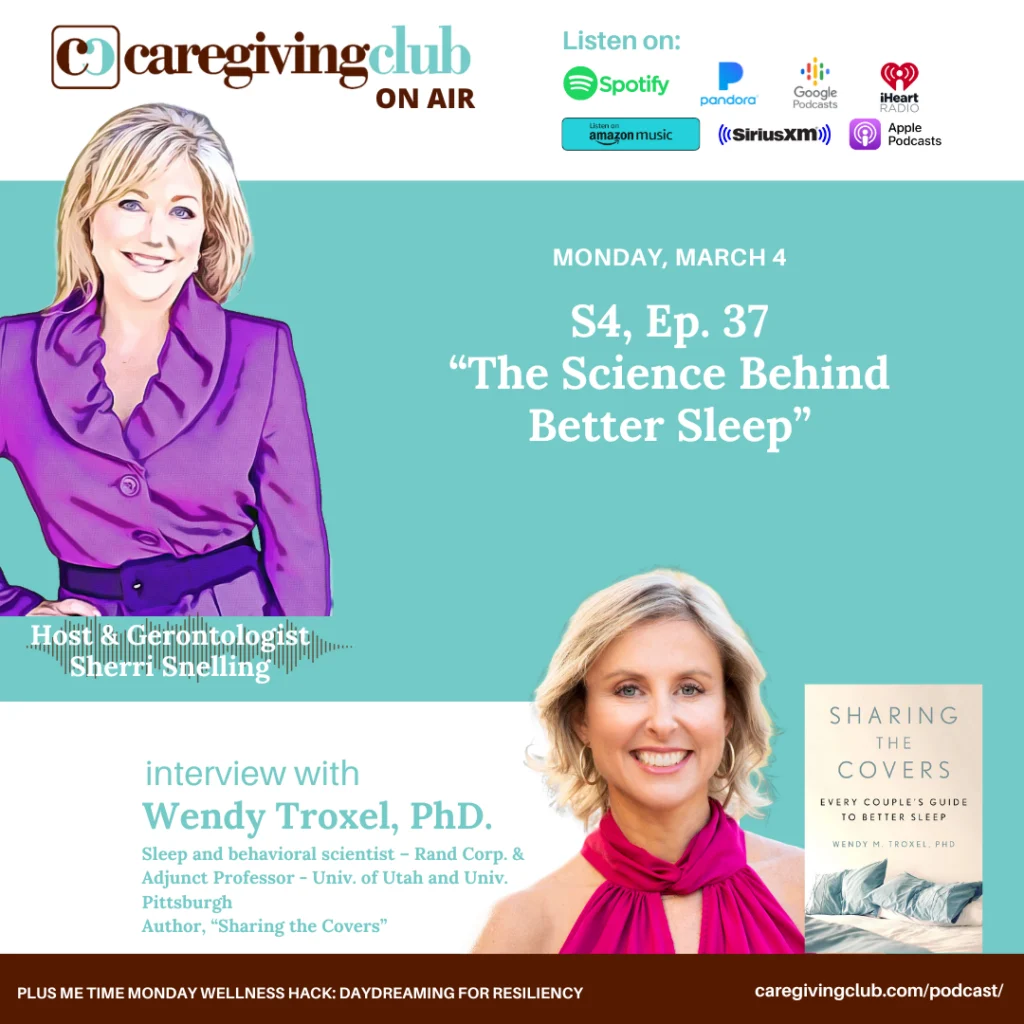
In the latest episode of the "Caregiving Club On Air" podcast (Season 6, Episode 66), host Sherri Snelling sits down with Dr. Michael Leon, Professor Emeritus at the University of California, Irvine (UCI), to explore the profound link between olfaction, sleep, and neuroplasticity. The conversation marks a significant milestone for the Caregiving Club, which has recently been ranked as the #3 top caregiving podcast globally by Feedspot.

The Olfactory-Brain Connection: A New Frontier
For decades, neuroscience has focused on visual and auditory stimuli. However, Dr. Michael Leon’s research posits that the olfactory system—the sense of smell—offers a unique, direct highway to the brain’s emotional and memory centers.

"The sense of smell is the only sensory system that has a direct, unfiltered connection to the limbic system, which houses the hippocampus and amygdala—the areas responsible for memory and emotion," Dr. Leon explains.

His research suggests that by "scent-training" the brain, we can stimulate neuroplasticity. In one landmark study, Dr. Leon’s team demonstrated that targeted olfactory stimulation resulted in a 226% increase in memory and cognitive performance. This finding is not merely academic; it provides a roadmap for non-invasive, accessible interventions that could potentially delay the onset of neurodegenerative conditions like Alzheimer’s disease.

Chronology: From Lab Bench to Living Room
The journey from clinical research to practical application has been a decades-long pursuit for Dr. Leon.

- Early Research Years: Dr. Leon spent years at UCI investigating the fundamental mechanisms of the brain, focusing on disorders ranging from autism to age-related cognitive decline.
- The Olfactory Hypothesis: Recognizing that the olfactory bulb is one of the few areas in the brain capable of adult neurogenesis (the growth of new neurons), Dr. Leon began exploring how environmental enrichment via scent could bolster brain resilience.
- The Rise of "Well Home Design": As the science matured, the concept of "NeuroDesign"—or the architecture of wellness—began to gain traction. Dr. Leon collaborated to develop Memory Air, a wellness home product that integrates the clinical findings of scent-training into a daily, home-based routine.
- Present Day: As of March 2026, the intersection of technology and sensory science has culminated in devices designed to optimize sleep hygiene and cognitive function, making brain health a component of the modern "smart home."
The Science of Sleep and Scent
A central theme of the current research is the inextricable link between deep sleep and brain health. During sleep, the brain performs a "housekeeping" function, clearing out metabolic waste products—including the amyloid-beta plaques associated with Alzheimer’s—via the glymphatic system.

Dr. Leon notes that specific, curated scents can act as a catalyst for deeper, more restorative sleep cycles. By utilizing aromatherapy in a structured, time-release format, users can signal to the brain that it is time to transition into the repair phase of the sleep cycle. This is a pillar of "Well Home Design," where the environment is actively modified to reduce cortisol levels and systemic inflammation, both of which are known to accelerate brain aging.

Supporting Data: Why the MIND Diet Matters
The podcast episode also dovetails with National Nutrition Month, highlighting the role of the MIND Diet in tandem with sensory training. The MIND Diet—a hybrid of the Mediterranean and DASH diets—is clinically recognized for its neuroprotective properties.

- Leafy Greens and Berries: The regimen calls for 5–7 servings of these per week, providing essential antioxidants that combat oxidative stress.
- Brain Age Reversal: Data presented during the discussion indicates that individuals who strictly adhere to the MIND Diet exhibit brain health profiles comparable to individuals 20 years their junior.
- Inflammation Reduction: By combining diet with the sensory stimulation offered by tools like Memory Air, the "Caregiving Club" suggests a dual-pronged approach to cognitive longevity: nourishing the body from within while stimulating the brain from without.
Official Perspectives: The Expert Consensus
Dr. Michael Leon’s work is part of a growing movement among neuroscientists who advocate for "brain cross-training." The traditional view of the aging brain as a static, decaying organ is being replaced by a dynamic model of neuroplasticity.

"We are no longer looking for a ‘silver bullet’ cure," Dr. Leon states. "Instead, we are looking for a mosaic of interventions. If we can use the air we breathe to trigger pathways that improve memory, reduce inflammation, and enhance sleep quality, we have a powerful, low-risk tool for public health."

The Caregiving Club, under the leadership of Sherri Snelling, has positioned itself at the forefront of this movement, translating complex medical data into actionable "7-Minute Self-Care" routines. These routines are designed for the "Sandwich Generation"—those caring for aging parents while managing their own professional and personal lives—who often lack the time for traditional wellness regimens.

Implications for the Future of Caregiving
The implications of this research are vast, particularly for those involved in dementia care. As the population ages, the demand for non-pharmacological, home-based interventions is reaching an all-time high.

1. Shift Toward Preventive Home Design
The rise of "Well Home Design" implies that our living spaces will soon be evaluated not just for aesthetic appeal or market value, but for their ability to support cognitive health. Homes that are "dementia-friendly" will incorporate lighting, sound, and olfactory systems that aid in circadian rhythm regulation and mood stabilization.

2. Empowering the Caregiver
For the caregiver, the "Caregiving Club" highlights that self-care is not a luxury, but a necessity for sustainable caregiving. By utilizing sensory hacks, caregivers can reduce their own stress levels, which in turn improves the caregiving environment for the patient.

3. Accessible Neuro-Health
Perhaps most importantly, these interventions democratize brain health. Rather than relying solely on expensive pharmaceutical interventions or specialized medical facilities, families can integrate scent-training and dietary changes into their daily lives with minimal cost.

Moving Forward: Resources and Community
As the Caregiving Club transitions its news segments to a dedicated YouTube channel, it aims to continue providing high-level, research-backed content to its growing audience. From "How to Cross-Train Your Brain" to "Digital Detox" strategies, the library of resources is expanding to meet the diverse needs of the modern caregiver.

For those interested in exploring these methods further, the following resources are recommended:

- Dr. Michael Leon’s Research: Available through the UCI Center for the Neurobiology of Learning and Memory (CNLM).
- The Memory Air Initiative: Exploring the practical application of scent-based wellness.
- The "Me Time Monday" Framework: Sherri Snelling’s book provides a comprehensive guide to utilizing the five senses to improve cognitive outcomes.
- Elder Care Locator: A vital resource for finding local support services for those navigating the complexities of elder care.
In conclusion, the conversation between Sherri Snelling and Dr. Michael Leon serves as a poignant reminder that the keys to cognitive longevity may be closer than we think—literally in the air we breathe. By embracing the marriage of neuroscience and daily habit, we can take proactive, meaningful steps toward preserving the most precious asset we possess: our mind.