








In the world of fitness, the pursuit of strength is often framed through the lens of heavy iron, complex gym memberships, and high-impact equipment. However, for adults over the age of 65, the most effective fitness equipment may not be found in a professional gym, but in the heart of the home: the kitchen.
As we age, maintaining muscle mass—particularly in the upper body—is essential for preserving functional independence, improving bone density, and supporting metabolic health. Yet, many seniors find traditional weightlifting daunting or inaccessible due to joint pain, balance concerns, or the simple intimidation factor of a crowded gym. According to Dr. Marcin Jez, a Doctor of Physical Therapy at Anchor Wellness, the solution lies in "functional integration"—using the furniture we interact with daily to build a stronger, more capable body.
The Science of Functional Aging
Muscle atrophy, or sarcopenia, is a natural part of the aging process, but it is not inevitable. By the time many adults reach their mid-60s, they may notice a decrease in arm definition and overall upper-body power. This can affect daily tasks such as lifting groceries, reaching for high shelves, or maintaining balance during a stumble.
Dr. Jez emphasizes that for this demographic, the goal is not "bodybuilding" in the traditional sense, but "functional longevity." By utilizing the kitchen counter, individuals can access a stable, elevated platform that offers the perfect amount of leverage. This allows for controlled movements that build strength without the high risk of injury associated with floor-based exercises or heavy free weights.
Chronology of Progress: Building a Routine
The transition from a sedentary lifestyle to an active one requires a methodical approach. Dr. Jez suggests that consistency is the primary driver of success. Unlike professional athletes who may train for explosive power, the goal for those over 65 is steady, progressive loading.
Phase 1: Habit Formation
The first two weeks should focus on integration. Rather than treating exercise as a "chore," incorporate these movements into daily kitchen tasks. For example, perform a set of counter pushups while waiting for the coffee to brew or the kettle to boil. This removes the "equipment barrier" and makes movement a seamless part of the daily rhythm.
Phase 2: Building Foundation (Weeks 3–6)
Once the movements feel familiar, the focus shifts to form. Dr. Jez notes that the higher the surface, the easier the movement. Beginners should start with a higher, more upright position. As strength improves, participants can gradually lower their center of gravity to increase the intensity of the resistance.
Phase 3: Progressive Overload (Weeks 7 and Beyond)
Once a movement becomes comfortable, it is time to challenge the muscles further. This can be done by increasing the number of repetitions or, more effectively, by slowing down the eccentric (lowering) phase of the exercise. This increases "time under tension," which is a primary stimulus for muscle fiber recruitment and growth.
Core Exercises for Upper Body Definition
1. Counter Pushups
The pushup is the gold standard for upper body development, but standard floor pushups can be taxing on the wrists and shoulders. The counter pushup allows for a modified angle that targets the pectorals, deltoids, and triceps with significantly less strain.
- Technique: Place your hands shoulder-width apart on the counter. Step your feet back into a plank position. Lower your chest toward the counter, keeping your elbows tucked at a 45-degree angle. Push back to the starting position.
2. Counter Tricep Presses
Targeting the back of the arms, this movement is crucial for toning and functional strength.
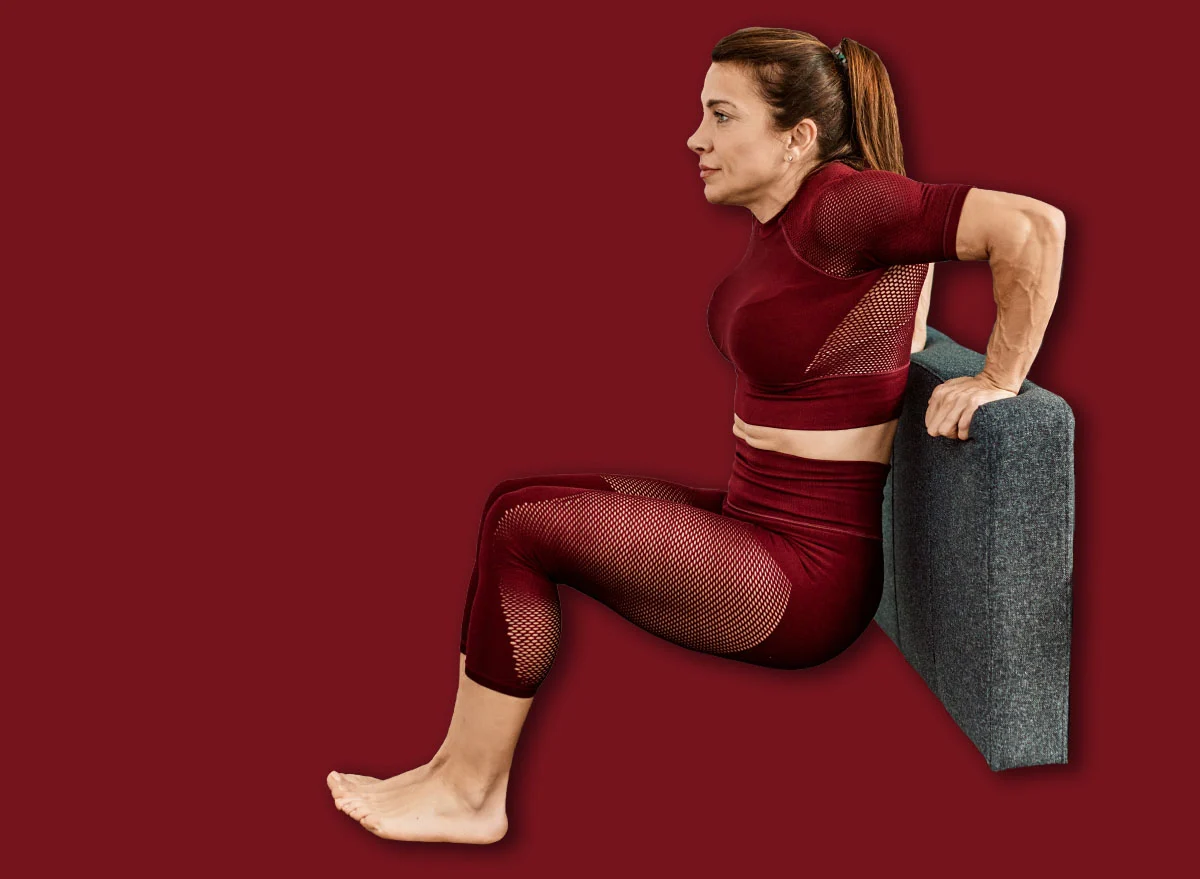
- Technique: Facing the counter, place your hands on the edge. Keep your body straight and your feet planted. Lower yourself by bending only at the elbows, focusing on the squeeze in the triceps as you press back up. The key is to keep the movement shallow and controlled, avoiding any jarring motions.
3. Counter Plank Shoulder Taps
This is a sophisticated movement that bridges the gap between arm strength and core stability.
- Technique: Start in a solid plank position against the counter. While maintaining a rigid torso, lift one hand to tap the opposite shoulder. The challenge here is to avoid "swaying" your hips, forcing your core and shoulders to stabilize your body weight during the transition.
4. Counter Isometric Press
Isometric training—where the muscle contracts without moving the joint—is an excellent way to introduce resistance without the wear and tear of repetitive motion.
- Technique: Place your hands against the counter and push as if you are trying to move the counter itself. Hold the contraction for 10–15 seconds while maintaining steady breathing. This builds foundational strength and improves mind-muscle connection.
Supporting Data: Why Stability Matters
Research in geriatric health consistently shows that fall prevention and independence are directly linked to upper-body and core strength. When a person slips, the ability to catch themselves—or safely lower themselves to the ground—depends on the strength of the arms and the stability of the core.
By using the kitchen counter, seniors are essentially engaging in "closed-chain" exercises. These movements are inherently safer because the hands are fixed to a stable object, which provides proprioceptive feedback (a sense of where the body is in space). This reduces the risk of balance-related injuries, making it a superior choice for those who might feel unsteady during free-standing movements.
Official Perspectives: The Professional View
Dr. Marcin Jez is clear: "The best exercise program isn’t the most sophisticated one; it’s the one someone can perform safely and consistently enough to create meaningful strength gains."
This perspective challenges the modern fitness industry’s obsession with high-tech machinery. For the aging population, the "barrier to entry" is often the greatest hurdle to health. By removing the need for a gym bag, expensive footwear, or a commute, the kitchen-based approach effectively eliminates the psychological friction that often leads to program abandonment.
Furthermore, clinical outcomes suggest that when exercises are performed in a "familiar environment," cortisol levels remain lower, and adherence rates increase. The kitchen is a place of comfort; associating it with physical activity reframes exercise as a natural, non-threatening aspect of life rather than a clinical, isolated task.
Implications for Future Health
The implications of this approach are significant. If more individuals over 65 can maintain muscle mass through simple, accessible, and free home-based routines, the public health impact could be profound. A reduction in frailty leads to a reduction in hospitalizations, improved mental health outcomes, and a greater sense of agency in one’s later years.
As we look toward the future of aging, the narrative is shifting from "how much can I lift?" to "how can I remain capable?" The kitchen counter is not just a place for food preparation; it is a laboratory for longevity. By dedicating just ten minutes a day to these four movements, seniors can reclaim their physical agency, build lasting strength, and ensure they remain active participants in their own lives for years to come.
Final Considerations for Safety
Before beginning any new exercise regimen, particularly for those over 65, it is advisable to consult with a primary care physician or a physical therapist. Ensure your counter is sturdy and free of clutter. If you experience sharp pain—as opposed to the "good burn" of muscle fatigue—stop immediately and adjust your form or consult a professional. With the right mindset and a focus on consistency, the path to a stronger, more resilient self is likely just a few steps away in your own kitchen.