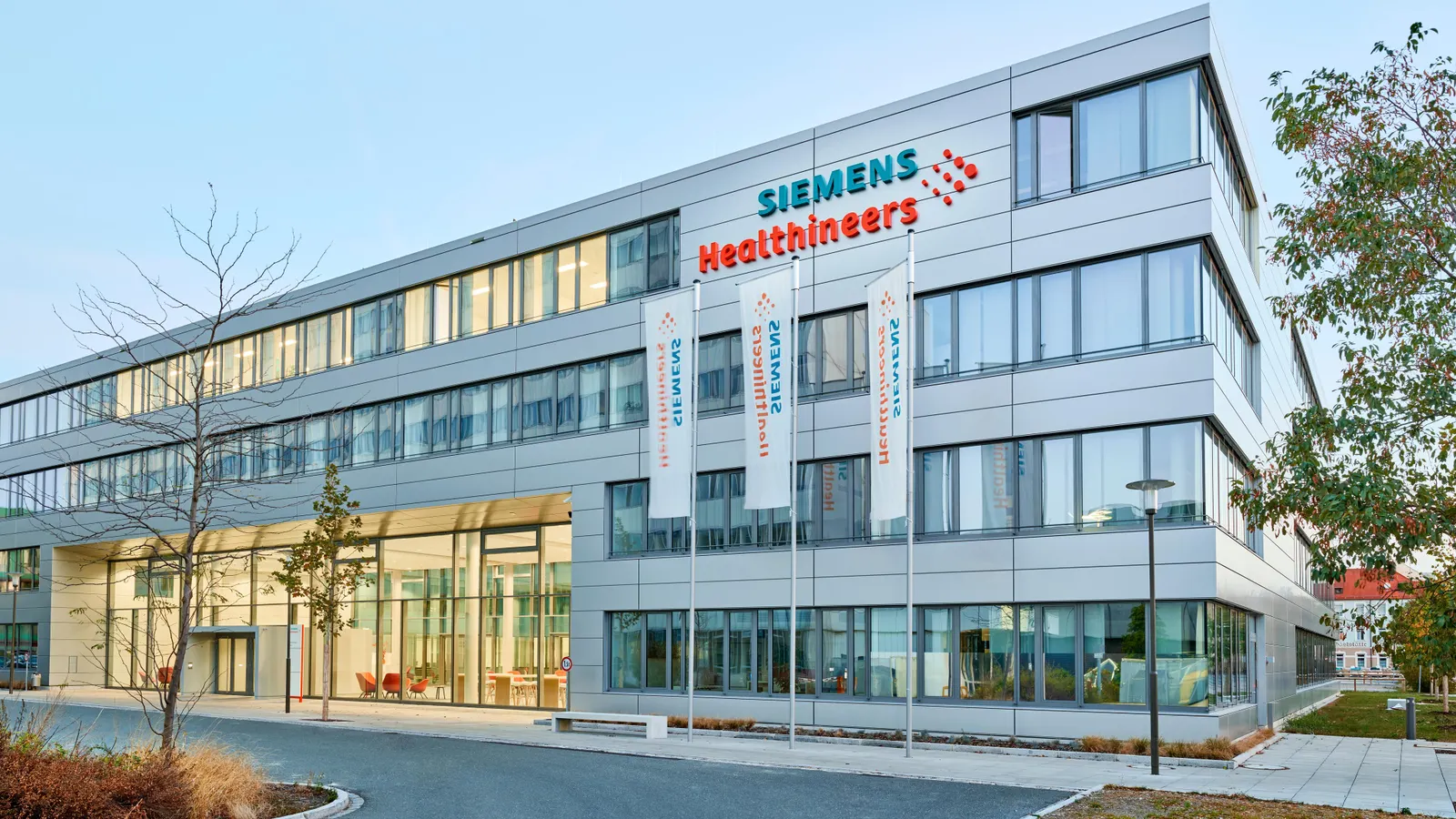
In a move signaling a major recalibration of its corporate hierarchy, medical technology giant Siemens Healthineers has announced the appointment of João Seabra as the new President and Head of the Americas. The transition, which takes effect on October 1, comes at a critical juncture for the Erlangen, Germany-based firm as it grapples with cooling market demand and structural challenges within its diagnostics division.
Seabra’s appointment is the centerpiece of an ongoing, company-wide "generational change" initiative launched in May, designed to streamline operations and reinvigorate performance in the company’s largest geographic market. However, the timing of the announcement—coming just 24 hours before the company lowered its full-year sales outlook—has cast a spotlight on the daunting task facing the incoming executive.
The Professional Trajectory of João Seabra
João Seabra is no stranger to the inner workings of Siemens Healthineers. A veteran of the organization for over two decades, Seabra first joined the company in 2001. His rise through the ranks has been characterized by an ability to scale complex service models and navigate diverse international markets.
Between 2015 and 2018, Seabra served as the operational lead for Western Europe and West Africa, where he managed the company’s regional footprint during a period of significant volatility in the European healthcare sector. His subsequent role as the Head of Enterprise Services starting in 2018 proved to be his most transformative tenure. Under his stewardship, the enterprise services division saw a massive expansion, with revenue quadrupling—a feat that earned him high praise from internal leadership.
Darleen Caron, Chief Human Resources Officer at Siemens Healthineers, highlighted Seabra’s strategic acumen in a formal statement. “Under João’s leadership, the company has successfully created value partnerships of increasing scope and impact with key customers,” Caron noted, emphasizing that his track record in building long-term, high-value relationships was the primary driver for his promotion to oversee the Americas.
Currently based in Portugal, Seabra is in the process of relocating to the United States to assume the role. He will succeed John Kowal, who has served as the President of the Americas since April 2025. Kowal’s tenure, though brief, followed the departure of his predecessor, David Pacitti, who left the organization to lead Avanos Medical.
Chronology of the Leadership Overhaul
The appointment of Seabra is not an isolated event; it is part of a broader, methodical restructuring effort. The timeline of recent leadership changes highlights a deliberate strategy to phase in new management:

- May 2024: Siemens Healthineers formally announces a "comprehensive generational change" across its executive leadership team. This initiative aims to refresh the company’s vision and adapt to a shifting global healthcare landscape.
- May–June 2024: The company executes a series of strategic appointments, installing new leadership in Diagnostic Imaging, Advanced Therapies, and the Europe, Middle East, and Africa (EMEA) region. A new Chief Technology Officer is also appointed to oversee the company’s R&D trajectory.
- April 2025: John Kowal takes over the Americas region following David Pacitti’s departure.
- Late Summer 2025: Siemens Healthineers reports Q3 financial results, revealing continued struggles in the diagnostics business.
- September 2025: João Seabra is named as the new President and Head of the Americas.
- October 1, 2025: Official effective date for Seabra’s assumption of the role, coinciding with a revised fiscal outlook for the company.
The Diagnostics Challenge: Supporting Data and Market Realities
The optimism surrounding Seabra’s appointment is tempered by the sobering financial reality facing the company’s diagnostics unit. During the third-quarter earnings call, CEO Bernhard Montag was candid about the obstacles the firm is encountering.
The diagnostics segment has been a persistent drag on the company’s overall performance. Montag specifically cited "structural changes in the China market" as a primary catalyst for declining sales. The Chinese healthcare sector, once a powerhouse for high-growth medical device manufacturers, has undergone significant regulatory and procurement policy shifts, forcing global medtech companies to re-evaluate their pricing and market access strategies.
The financial fallout of these challenges is quantifiable. During the recent analyst call, CFO Jochen Schmitz warned that the diagnostics segment is expected to face continued downward pressure through the fourth quarter of the fiscal year. Consequently, the company made the difficult decision to reduce its full-year revenue growth guidance. The expected growth rate, which previously held a more optimistic range, was trimmed by one percentage point, bringing the target to between 3.5% and 4%.
Official Responses and Executive Departures
The transition from John Kowal to João Seabra has been framed by the company as a smooth, professional handover. In its official press release, Siemens Healthineers extended its gratitude to Kowal, thanking him for his "many years of successful service" to the organization.
For his part, Kowal took to LinkedIn to address the transition directly. In a reflective post, he noted that after nearly three decades in the industry, he intends to step away from the corporate grind to focus on "personal passions." His departure, while sudden in the eyes of some observers, is viewed by industry analysts as a standard exit in the context of the larger, company-wide generational shift currently underway.
The company’s leadership, including CEO Bernhard Montag, remains focused on the long-term vision of the "New Siemens Healthineers." The strategy emphasizes the integration of diagnostics, imaging, and digital services—a "value partnership" model that Seabra helped pioneer in his previous role.
Implications for the Future of Siemens Healthineers
The appointment of Seabra to the Americas region serves several strategic purposes:

1. Strengthening the "Value Partnership" Model
The Americas represents the most significant revenue stream for Siemens Healthineers. By placing a leader who has proven he can scale enterprise services, the company is signaling that it wants to shift from a pure hardware vendor to a strategic partner for U.S. hospital systems. This involves long-term, multi-year contracts that bundle imaging, diagnostics, and digital analytics.
2. Navigating the Diagnostics Pivot
The company is currently in the midst of preparing to "carve out" its diagnostics business. This is a delicate financial maneuver that requires stable, experienced leadership in the regional markets. Seabra will need to stabilize the Americas diagnostics sales force while managing the uncertainty that inevitably follows a business unit carve-out.
3. Adapting to Global Market Shifts
While China was the specific market cited for the recent revenue shortfall, the global medical device industry is facing a more cautious hospital spending environment. Higher interest rates and rising operational costs in the U.S. have led to longer sales cycles for capital-intensive equipment like MRI and CT scanners. Seabra’s background in operations and service efficiency will be vital in helping the Americas team optimize its sales pipeline in a high-cost environment.
4. Cultural Continuity and Change
The "generational change" label is significant. It suggests that Siemens Healthineers is moving away from a legacy-focused management style toward one that prioritizes digital transformation and agile, service-oriented business models. Seabra, having been with the company since 2001, provides the necessary institutional memory while embodying the forward-looking, service-centric ethos the board is seeking.
Conclusion
As João Seabra steps into the role of President and Head of the Americas, he inherits a region that is simultaneously the company’s greatest opportunity and its most immediate challenge. The downward revision of the full-year sales outlook serves as a stark reminder that the medical technology sector is currently in a period of intense adjustment.
However, the appointment of a seasoned internal leader like Seabra, coupled with the ongoing organizational overhaul, indicates that Siemens Healthineers is determined to weather the storm. By focusing on the "value partnership" model and insulating its regional operations from the volatility of its diagnostics unit, the company is positioning itself to regain its momentum. The success of this leadership transition will likely be measured by how quickly the Americas team can stabilize revenue growth and whether Seabra can successfully navigate the transition of the diagnostics business in the coming fiscal year.
For investors and industry observers, the next few quarters will be critical in determining whether this "generational change" is the catalyst for renewed growth or merely a temporary measure in a challenging macroeconomic environment.